
Introduction
Why Travel Safety Tips Matter More Than Ever in 2025
In 2025, global travel is more popular than ever, yet it’s also more complex. With the rise of digital nomadism, solo backpacking, luxury escapes, and eco-tourism, travelers face a broader range of safety concerns. This makes understanding essential travel safety tips critical for anyone planning to go abroad.
While the world has adapted to post-pandemic realities, safety risks have evolved. New scams, cyber threats, climate-related travel disruptions, and even changing visa rules mean that being well-prepared isn’t just smart, it’s necessary. These safety tips for traveling are more than just common sense; they’re your first line of defense on any trip.
What Makes Travel Safety Crucial in 2025?
Consider the following rising global travel risks:
| Risk Area | Why It Matters in 2025 |
|---|---|
| Cybersecurity | Digital theft and online scams are more sophisticated |
| Health & Hygiene | New health advisories and localized outbreaks may arise |
| Political Instability | Some regions experience unrest or changing border rules |
| Natural Disasters | Weather patterns continue to impact travel unpredictably |
| Targeted Scams | Tourists are often targets in high-traffic destinations |
This Guide Covers All Major Safety Concerns
Throughout this post, you’ll find up-to-date, research-backed travel and safety tips organized into actionable sections. Each part of your journey, from planning to flying, from exploring cities to dealing with emergencies, is addressed.
What You’ll Learn:
- How to plan ahead with risk awareness
- How to protect your digital identity abroad
- How to travel solo or with family safely
- How to handle emergencies with a clear plan
- How to avoid the most common travel scams
Who Is This Guide For?
- Solo Travelers – Independent explorers needing security and autonomy
- Families – Parents ensuring safety for children and elders
- Digital Nomads – Remote workers living abroad full-time or part-time
- First-Time Travelers – New adventurers learning the ropes
- Frequent Flyers – Seasoned travelers staying ahead of evolving risks
Regardless of your travel style or destination, these travel safety tips will help you feel more prepared, confident, and secure. Now, let’s start at the beginning, with how to plan your trip safely from home.
1. Pre-Trip Safety Planning
Smart Travel Safety Tips to Follow Before You Leave Home
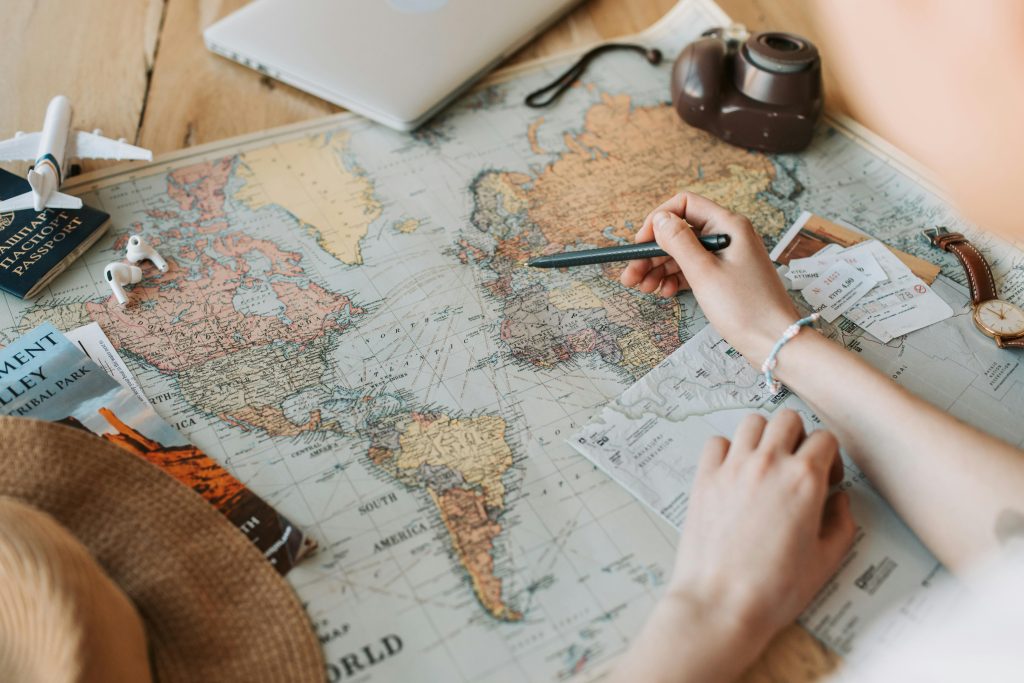
Effective travel safety begins long before your passport gets stamped. In fact, many of the most important travel safety tips take place weeks, or even months, before your departure date. Whether you’re planning a short holiday or a multi-country trip abroad, preparing wisely will help you avoid common pitfalls.
By following these safety tips for the holiday season or international travel, you’ll give yourself peace of mind and flexibility if things don’t go as planned.
Essential Safety Steps Before Your Trip
Use this checklist to make sure you’ve covered all your safety bases:
- Research Your Destination
Learn about local laws, entry requirements, political stability, and safety concerns via government travel advisories (e.g., U.S. Department of State, UK FCDO). - Register with Your Embassy
Sign up for alerts through programs like STEP (Smart Traveler Enrollment Program) or your country’s version for real-time emergency updates. - Create Digital and Physical Copies
Keep digital scans of your passport, visa, insurance, and ID on a secure cloud storage service. Also carry printed versions in your luggage. - Review Health Requirements
Check for vaccine requirements or health risks specific to your destination. Schedule appointments at a travel clinic if needed.
Safety Packing List: What to Bring
Before you finalize your packing list, make sure you’re bringing the right gear for both comfort and safety. We’ve put together a detailed guide on 15 Essential Travel Essentials Every Smart Traveler Needs, it’s a helpful reference to avoid overpacking and missing essentials.
| Item | Why It Matters |
|---|---|
| First-aid kit | For minor injuries or sudden illness |
| Backup credit card | In case your main card is lost or stolen |
| RFID-blocking wallet | Protects against electronic identity theft |
| Portable door lock | Adds hotel room security |
| Travel insurance documents | Must-have in case of medical or trip issues |
Proactive Planning Reduces Risk
By planning early, you reduce your reliance on local infrastructure that might be unreliable. You’ll also reduce stress during your travels. Travelers who prepare are often more adaptable, alert, and calm in unfamiliar environments.
Moreover, taking the time to assess risk beforehand helps you avoid overreacting in the moment. This is especially important for solo travelers or those traveling abroad for the first time.
Following these pre-trip travel and safety tips won’t just make your journey safer, they’ll make it smoother, too. The next step is understanding why travel insurance is one of the smartest investments you can make.
2. Travel Insurance Essentials
Why Travel Safety Tips Always Include Insurance
No matter how carefully you plan, travel is unpredictable. From flight cancellations and illness to lost luggage or accidents abroad, things can and do go wrong. One of the most frequently overlooked yet essential travel safety tips is this: always travel with comprehensive insurance.
Especially in 2025, as global travel continues to expand, insurance isn’t just an optional extra, it’s a necessity. Good coverage ensures you’re protected both financially and medically, wherever you go.
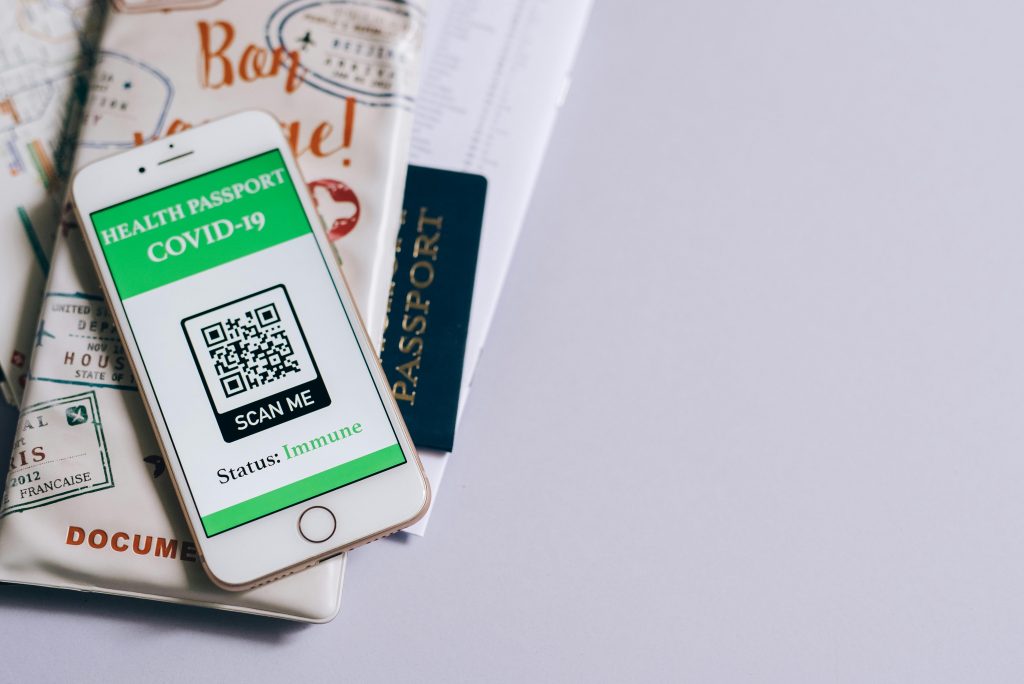
What Should Travel Insurance Cover?
Not all policies are created equal. When comparing options, be sure your plan includes the following:
- Medical and emergency coverage (including COVID-19 and urgent care)
- Trip cancellation or interruption reimbursement
- Lost, stolen, or delayed baggage compensation
- Emergency evacuation in case of political unrest or natural disaster
- 24/7 support and multilingual assistance
Sample Travel Insurance Comparison
| Feature | Basic Plan | Comprehensive Plan |
|---|---|---|
| Medical Coverage | Up to $50,000 | $500,000+ |
| Trip Cancellation | Not included | Included |
| Baggage Loss Protection | Limited | Full value coverage |
| Emergency Evacuation | Not included | Included |
| Digital Claims and Support | Email only | 24/7 phone + app |
Choosing the Right Policy
When selecting a policy, consider the type of travel you’re doing. For example:
- Backpackers may need long-duration coverage across multiple countries.
- Cruise passengers should ensure maritime evacuation is included.
- Adventure travelers must check for exclusions related to sports like skiing or scuba diving.
Also, confirm the insurer operates in your home country and can pay claims globally. Use review sites and check for real-time support features.
Why This Matters for Safety
Reliable insurance not only covers financial loss but also gives you fast access to care in emergencies. It’s one of the most important safety tips traveling abroad, especially when health systems vary drastically from country to country.
3. Digital Safety While Traveling
Smart Travel Safety Tips for Your Devices and Data
In today’s connected world, protecting your digital identity while traveling is just as important as watching your passport. Whether you’re using public Wi-Fi at an airport, booking a tour through an app, or checking your bank account from your hotel room, your information is always at risk.
This section covers critical travel safety tips for securing your data abroad, particularly in 2025, where cyber threats are growing in both sophistication and frequency.

Why Digital Safety Matters on the Road
Travelers are common targets for cybercriminals due to:
- Frequent use of unsecured public networks
- Accessing sensitive accounts like email and banking while abroad
- Sharing location and personal information on social media
Even if you’re careful, it’s easy to make digital mistakes when you’re tired or distracted. Fortunately, simple habits go a long way in safeguarding your online presence.
Top Digital Travel and Safety Tips
- Use a VPN (Virtual Private Network): Encrypts your internet connection, especially on public Wi-Fi.
- Avoid public computers: Skip hotel lobbies or cafés when accessing sensitive accounts.
- Turn off Bluetooth & auto-connect features: Prevents unauthorized connections.
- Back up your data: Store essential documents and photos in the cloud before leaving.
- Enable 2FA (Two-Factor Authentication): Adds a second layer of protection to your accounts.
- Don’t overshare your location: Post updates after you leave a place, not during.
Comparison of Safe vs. Risky Digital Habits
| Action | Safe Alternative |
|---|---|
| Connecting to airport Wi-Fi | Use a VPN or personal hotspot |
| Logging into bank on public Wi-Fi | Wait for a secured network |
| Leaving phone unlocked | Use biometric lock or PIN |
| Auto-posting travel updates | Share after leaving the location |
Stay Connected, Stay Protected
While these safety tips for traveling may seem small, they can protect your identity, finances, and privacy abroad. Digital safety is just as important as physical safety, especially when your entire itinerary may be stored on your phone or email.
Using these travel and safety tips allows you to stay connected without being compromised, giving you one less thing to worry about on the road.
4. Solo Travel Safety Tips
How to Stay Safe When Traveling Alone in 2025
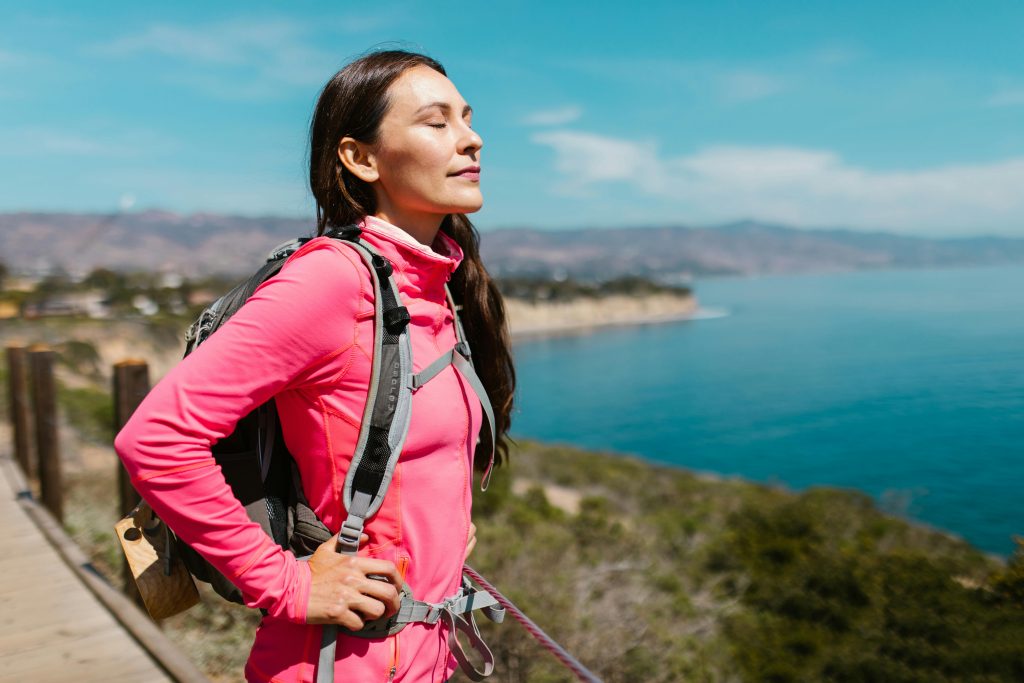
Traveling alone can be one of the most rewarding experiences, but it also comes with unique risks. Whether you’re a first-time solo adventurer or a seasoned explorer, it’s important to follow specific travel safety tips to ensure both confidence and protection during your journey.
Solo travelers often enjoy greater flexibility, deeper cultural immersion, and personal growth. At the same time, they are more vulnerable to theft, scams, and emergencies because they don’t have a travel companion to lean on.
That’s why these safety tips for traveling solo are critical.
Key Solo Travel and Safety Tips
- Always share your itinerary with someone you trust. Keep a contact informed of your whereabouts.
- Use accommodation with strong reviews. Trusted platforms like Booking.com or Hostelworld offer verified guest feedback.
- Avoid walking alone at night in unfamiliar or poorly lit areas.
- Dress to blend in. Avoid drawing unnecessary attention to yourself.
- Carry limited cash. Keep valuables in a money belt or neck pouch under your clothes.
- Learn local emergency numbers and know where the nearest embassy is located.
Smart Choices for Solo Travelers
| Situation | Safety Tip |
|---|---|
| Arriving at night | Pre-book transport or choose hotels with shuttles |
| Meeting new people | Meet in public places; avoid sharing room info |
| Going out alone | Set boundaries and keep your drink in sight |
| Exploring remote areas | Use a guide or group tour |
Additional Tools for Safety
- Offline maps: Apps like Maps.me or Google Maps downloaded offline can help you navigate without mobile data.
- Translation apps: Useful for emergency communication.
- Personal safety apps: Apps like Noonlight or SmartTraveler offer panic buttons and location sharing features.
Final Thoughts on Solo Travel Safety
While solo travel is liberating, it’s important to stay alert and informed. These travel safety tips aren’t meant to scare you, they’re here to empower you. With preparation and common sense, solo trips can be both safe and transformative.
Remember, safety tips traveling abroad apply even more when you’re on your own. Trust your instincts, and don’t be afraid to change plans if something doesn’t feel right.
5. Health and Hygiene On the Go
Travel Safety Tips to Stay Physically Safe and Healthy Abroad
Good health is the foundation of a successful trip. Regardless of your destination, maintaining your physical well-being is one of the most important travel safety tips to follow. In 2025, global health risks continue to vary by region, but hygiene and disease prevention remain universal priorities.
Staying healthy while abroad helps prevent interruptions to your plans and ensures you’re able to enjoy every part of your journey. Whether you’re hiking in the mountains, exploring bustling markets, or dining at street food stalls, these safety tips for traveling will help keep illness at bay.
Must-Do Health Prep Before Departure
- Visit a travel clinic: Check for region-specific vaccines and medical advice.
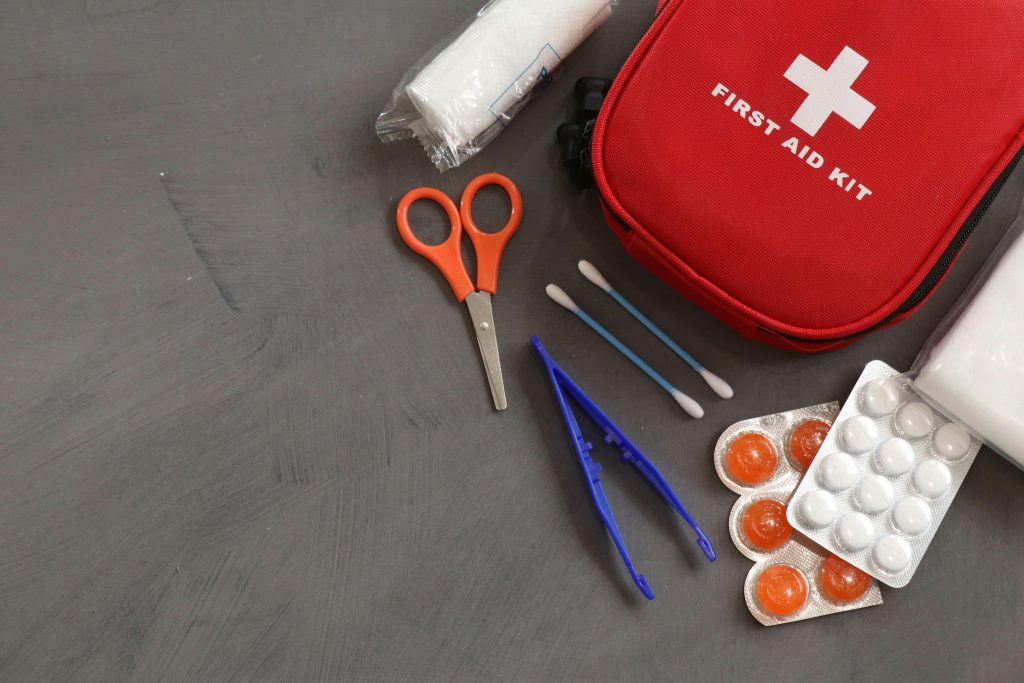
- Pack a mini health kit: Include pain relievers, antiseptic wipes, motion sickness pills, and any personal medications.
- Understand local water safety: Know whether tap water is safe to drink, and consider carrying a portable water purifier.
On-the-Go Health and Hygiene Tips
- Practice regular hand hygiene: Always carry alcohol-based sanitizer.
- Use bottled or filtered water for drinking and brushing teeth in countries with questionable water supplies.
- Eat cooked foods only from reputable vendors, especially in high-risk regions.
- Protect against insect bites: Use repellent and wear long sleeves in areas with mosquito-borne illnesses.
- Stay hydrated, especially in hot or high-altitude locations.
Hygiene Safety Toolkit for Travelers
| Item | Purpose |
|---|---|
| Travel-size hand sanitizer | Quick cleaning before meals or transit |
| Reusable water bottle w/filter | Safe hydration on the move |
| Antibacterial wipes | Surface cleaning and quick sanitation |
| Travel soap & towel | Essential for remote destinations |
| Sunscreen and lip balm | Prevent sunburn and cracked skin |
When to Seek Medical Attention Abroad
Always know where the nearest medical center is. If you experience fever, vomiting, or sudden pain, seek help immediately. Most countries have hospitals that treat travelers, but you may need upfront payment, another reason travel insurance is crucial.
Following these travel and safety tips ensures you’ll stay energized, healthy, and ready to enjoy the journey. A few precautions go a long way in avoiding travel disruptions due to illness or injury.
6. Transport and Accommodation Safety
Travel Safety Tips for Getting Around and Where You Stay
While sightseeing is exciting, it’s often the in-between moments, on a train, in a taxi, or checking into a hotel, when travelers are most vulnerable. That’s why your travel safety tips must include how to stay secure during transport and in accommodation.
Whether you’re catching a late-night bus or booking a last-minute Airbnb, a few smart practices can greatly reduce the risk of theft, fraud, or unsafe conditions. These safety tips traveling abroad are essential for every leg of your journey.

Transportation Safety Tips
Regardless of how you travel, by taxi, train, plane, or rideshare, your goal is to stay alert and protect yourself and your belongings.
Do:
- Use registered taxi services or trusted apps like Uber or Bolt.
- Confirm your driver’s name and vehicle before entering a rideshare.
- Keep valuables with you in carry-on bags, especially on buses and trains.
- Use transport apps with real-time tracking, especially in unfamiliar cities.
- Avoid displaying expensive electronics while commuting.
Don’t:
- Fall asleep with your valuables exposed on public transport.
- Accept unsolicited rides from strangers at airports or stations.
- Leave bags unattended, even for a moment.
Accommodation Safety Tips
No matter your budget, your lodging should always meet basic safety standards.
Checklist Before Booking:
- Read reviews, especially about safety and location.
- Ensure the property has secure locks, windows, and 24/7 support.
- Use hotel safes for passports and backup cards.
- Avoid sharing your room number or location publicly.
Comparison Table: Safe vs. Risky Practices
| Scenario | Safe Practice | Risky Practice |
|---|---|---|
| Booking Accommodation | Use reputable platforms with reviews | Book unverified properties via social media |
| Arriving at Night | Pre-arrange transport and directions | Wander unfamiliar areas in the dark |
| Using Hotel Safes | Store essentials like passport + card | Carry all valuables at all times |
| Using Public Transport | Keep bags in sight and zipped | Store bags out of reach or unlocked |
By following these travel and safety tips, you not only protect your belongings but also enhance your overall experience. Safety on the move means peace of mind at every destination.
7. Avoiding Scams and Theft
Travel Safety Tips to Outsmart Common Threats Abroad
Scams and petty theft are among the most common risks travelers face, especially in crowded tourist areas. While many destinations are safe, it’s still essential to stay alert. Fortunately, most incidents are preventable with the right awareness and behavior.
This section shares travel safety tips and examples of common scams targeting tourists. Understanding these tactics can help you protect your belongings and travel with confidence.

Common Travel Scams to Watch For
| Scam Type | Description | How to Avoid |
|---|---|---|
| The “Friendship Bracelet” | Someone ties a bracelet on you, then demands money | Politely say no and walk away |
| Fake Taxi Meters | Drivers overcharge or refuse to use the meter | Use official apps or agree on fare first |
| Distraction Pickpockets | One person distracts while another steals | Stay aware and keep bags zipped |
| Fake Police Officers | They ask to see your passport and wallet | Ask for ID and don’t hand over valuables |
| “Closed Hotel” Scam | You’re told your hotel is closed or full | Confirm reservations in advance |
Tips to Prevent Theft While Traveling
- Use anti-theft bags with lockable zippers and RFID-blocking features.
- Keep valuables on your person, not in backpacks or outer pockets.
- Wear your bag in front in crowded areas like markets or metros.
- Don’t flash cash or electronics, this attracts unwanted attention.
- Avoid setting your phone on tables, especially outdoors.
- Stay sober in unfamiliar places, especially at night.
Best Practices for Personal Safety
Do:
- Be cautious of overly friendly strangers offering “help.”
- Stay in well-lit, populated areas after dark.
- Secure your luggage on public transportation.
Don’t:
- Carry your passport everywhere unless necessary.
- Leave your phone or wallet exposed during meals.
- Accept drinks or gifts from strangers without caution.
Scammers often target those who look distracted, overwhelmed, or overly trusting. These travel and safety tips aren’t meant to make you fearful, but to keep you informed and alert. Trust your instincts, question anything that feels off, and don’t hesitate to walk away from uncomfortable situations.
8. Emergency Prep and Crisis Response
Travel Safety Tips for Handling the Unexpected Abroad
No matter how carefully you plan, emergencies can happen, whether it’s a missed flight, natural disaster, health issue, or lost passport. While these moments are stressful, being prepared can make a huge difference in how you handle them. That’s why every list of reliable travel safety tips should include a section on emergency planning.
These safety tips traveling abroad are about more than just first aid. They help you stay calm, act fast, and minimize disruption when things go wrong.

Before You Travel: Build Your Emergency Toolkit
Essential Documents:
- Passport & visa copies (digital + printed)
- Travel insurance policy number and emergency contact
- Emergency contact list (family, embassy, insurer)
- Local emergency numbers (stored in phone + printed)
Tools to Carry:
- Power bank
- Backup phone SIM (especially for international roaming)
- First-aid kit (with prescription meds and pain relievers)
Who to Call First in an Emergency
| Type of Emergency | First Contact |
|---|---|
| Medical emergency | Local emergency services + insurer |
| Lost passport | Your country’s embassy or consulate |
| Theft or assault | Local police + embassy |
| Natural disaster or unrest | Embassy + travel insurance hotline |
| Missed flight or hotel issue | Airline or booking provider |
Travel and Safety Tips for Crisis Management
- Stay calm and assess your situation. Panic often makes things worse.
- Seek help from official sources, not random individuals.
- Have a backup credit card and emergency cash in a separate location.
- Use trusted channels for updates, like government websites and embassy alerts.
- Register with your embassy before you leave, it makes it easier for them to assist you in a crisis.
What If You’re Traveling Alone?
For solo travelers, it’s especially important to:
- Keep at least one friend or family member informed of your movements.
- Use safety apps that allow real-time location sharing.
- Know the location of the nearest embassy, hospital, and police station.
These travel and safety tips won’t prevent every issue, but they will make you far more prepared and resilient. Emergencies are never easy, but with the right mindset and preparation, they don’t have to derail your entire trip.
Conclusion
Travel Confidently with the Right Safety Habits
As global travel continues to grow in 2025, being well-prepared is no longer optional, it’s part of being a responsible, empowered traveler. The truth is, adventure and security can absolutely coexist. When you follow smart travel safety tips, you’re not limiting your freedom, you’re expanding it with peace of mind.
Throughout this guide, you’ve learned how to:
- Prepare for travel with the right documents and information
- Choose the right insurance for protection abroad
- Stay safe in transit and accommodation
- Protect your digital identity and health
- Avoid common scams and theft
- Handle emergencies with a clear plan
- Travel solo with more confidence and awareness
These aren’t just safety tips for the holiday season or for nervous first-time flyers, they’re practical habits that protect your time, energy, and well-being across any trip. Whether you’re backpacking across Southeast Asia, working remotely in Europe, or visiting family overseas, these safety tips traveling abroad help you enjoy your experience with fewer risks.
Your Next Step
Travel is one of life’s greatest privileges. But it’s most rewarding when paired with knowledge, preparation, and awareness. So before your next flight, bus ride, or road trip, revisit these travel and safety tips to make sure you’re ready.
| Travel Habit | Result |
|---|---|
| Plan ahead | Fewer surprises and smoother journeys |
| Stay informed | Greater awareness and flexibility |
| Trust your instincts | Avoid unsafe situations early |
| Stay connected | Access help when needed |
As you venture out into the world, remember: safety is not fear, it’s freedom through preparation.
We’d love to hear your thoughts!
Have you used any of these travel safety tips on your own journeys? Do you have a personal tip or story to share? Let us know in the comments below, we always enjoy hearing from fellow travelers.
If you found this guide helpful, don’t keep it to yourself! Share it with friends, family, or anyone planning a trip in 2025. Let’s help more people travel smart and safe together.