
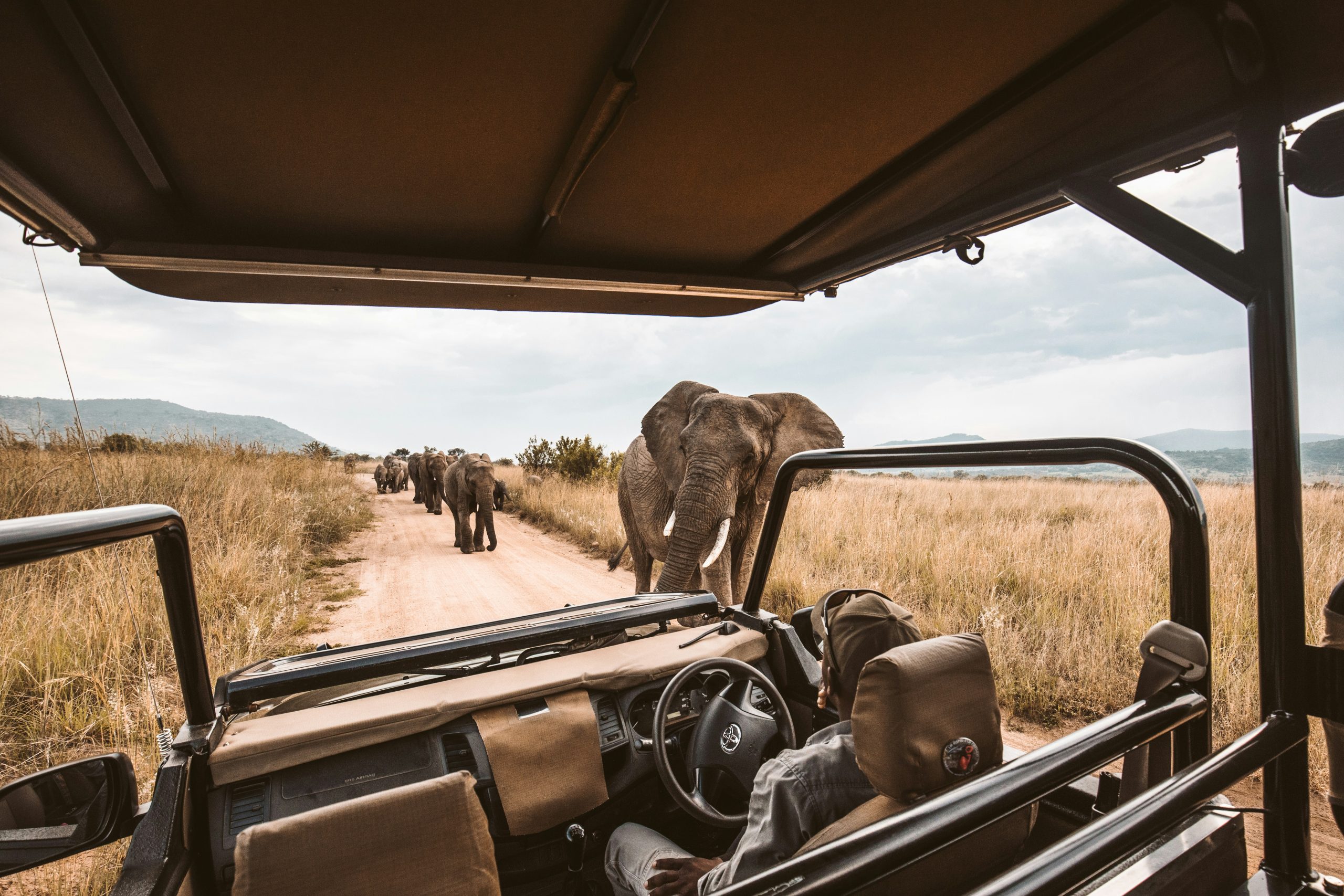
Introduction: Why a Smart Safari Packing List Matters
Planning a safari tour is exciting, but packing can quickly become overwhelming. What you bring along will make or break your safari experience. That’s why having a well-prepared safari packing list is essential, not just for convenience, but also for safety, comfort, and enjoyment.
Unlike city vacations, safari travel involves remote lodges, long game drives, and rapidly changing weather conditions. You may find yourself in open vehicles under the blazing sun one moment and caught in a sudden downpour the next. Therefore, your safari packing checklist must cover a wide range of scenarios.
Equally important, some areas enforce dress codes or have limited access to amenities. This makes smart packing not just helpful, but necessary. Transitioning from hot days to cooler evenings means layering matters, and lightweight, moisture-wicking clothing becomes invaluable.
Throughout this guide, we’ll break down 15 essential items every traveler needs for a successful safari. Each item serves a specific purpose, and together, they form a complete packing list for safari travel that you can rely on.
1. Lightweight, Neutral-Colored Clothing for Safari Travel
Choosing the right clothing is the cornerstone of any effective safari packing list. Safari travel isn’t just about seeing wildlife, it’s about being prepared for the elements while blending into your environment. The wrong outfit can make your day uncomfortable, or worse, attract unwanted attention from insects or wildlife.
Why Neutral Colors Matter
Bright colors like red, blue, or white can stand out in the bush and may even deter wildlife. Neutral tones such as khaki, olive, beige, and brown are ideal for safari tours.
Recommended Clothing Items
| Item | Purpose |
|---|---|
| Long-sleeve shirts (neutral) | Sun protection, bug deterrent |
| Lightweight pants or trousers | Comfort and protection from thorns/insects |
| Convertible cargo pants | Versatility in changing weather |
| Light fleece or jacket | Warmth during early morning game drives |
Packing Tips
- Choose moisture-wicking and breathable fabrics like cotton or technical blends.
- Avoid camouflage prints, in some countries, they’re restricted to military use.
- Pack layers rather than bulky items. This makes adjusting to temperatures easier.
With this approach, you’ll not only look safari-ready but also feel comfortable and protected throughout your trip.
2. Moisture-Wicking Base Layers for Safari Packing List Comfort
When you’re on safari tours, the weather can shift quickly from cool, early mornings to sweltering afternoons. That’s why moisture-wicking base layers are a must-have item on your safari packing list. They help regulate body temperature, manage sweat, and reduce the risk of skin irritation.
Benefits of Moisture-Wicking Layers
These fabrics draw moisture away from your skin and dry quickly, which is especially useful when you don’t have regular access to laundry. They also help keep you warm when it’s chilly and cool when it’s hot.
Ideal Base Layer Items
| Item | Why It’s Essential |
|---|---|
| Long-sleeve undershirts | Lightweight warmth and sun protection |
| Quick-dry t-shirts | Comfort for long game drives |
| Base-layer leggings | Useful for cool mornings and evening safaris |
| Lightweight underwear | Keeps you dry in high humidity |
Packing Tips
- Stick to neutral or earth tones to stay consistent with safari travel norms.
- Avoid heavy cotton; opt for synthetic blends or merino wool.
- Pack 2–3 sets to rotate during your trip.
These base layers won’t take up much space, but they’ll make a huge difference in your comfort level across diverse safari environments.
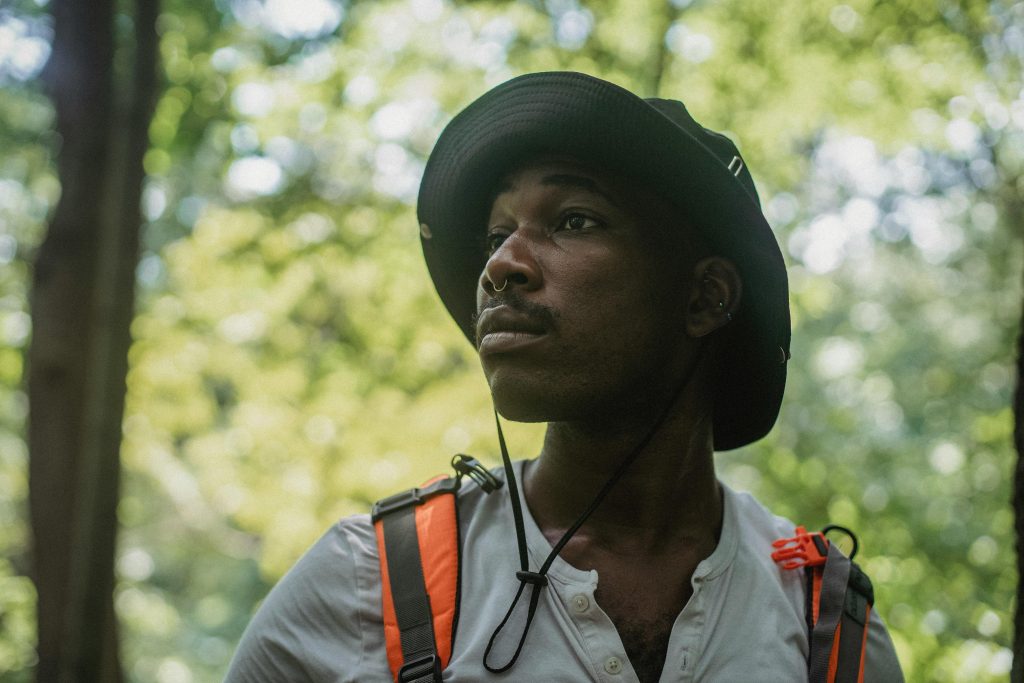
3. Wide-Brimmed Hat or Safari Cap: A Must on Your Safari Packing Checklist
One item that often gets overlooked, but absolutely shouldn’t, is a quality wide-brimmed hat or safari cap. The African sun can be relentless during safari travel, especially when you’re in an open vehicle with little to no shade. A protective hat shields your face, neck, and ears from harmful UV rays.
Why This Belongs on Your Safari Packing List
Sun exposure builds up quickly during extended game drives. Even with sunscreen, direct sunlight can cause heat exhaustion or sunburn. A breathable hat with a wide brim gives reliable, all-day protection.
Features to Look For
| Feature | Benefit |
|---|---|
| Wide brim (360°) | Full shade coverage for face and neck |
| Adjustable chin strap | Keeps it secure on windy drives |
| Breathable mesh or fabric | Prevents overheating |
| UV protection material | Enhances sun safety |
Additional Packing Tips
- Choose a neutral color like beige, brown, or olive to avoid startling animals.
- Avoid baseball caps, they leave your neck exposed.
- Pack a foldable or crushable version to save space in your luggage.
While it’s small, this item offers huge protection and should always be part of your safari packing checklist.
4. Polarized Sunglasses with UV Protection for Safari Travel
A dependable pair of polarized sunglasses should always be part of your safari packing list. Not only do they reduce glare from the sun and dusty roads, but they also protect your eyes from harmful UV rays during long hours outdoors.
Why Polarized Sunglasses Matter on Safari Tours
Game drives usually happen during daylight hours, often when the sun is at its strongest. Without proper eye protection, the glare can lead to headaches or strained vision, both of which can make your safari travel experience less enjoyable.
What to Look For in Safari Sunglasses
| Feature | Why It’s Useful |
|---|---|
| Polarized lenses | Cuts glare from vehicle surfaces and water |
| UV400 or 100% UV protection | Shields eyes from harmful ultraviolet rays |
| Wraparound or snug fit | Helps block wind and dust |
| Anti-scratch coating | Adds durability for rugged travel |
Packing Advice
- Bring a hard case to protect them when not in use.
- Consider packing a backup pair, especially if you wear prescription sunglasses.
- Avoid fashion lenses; prioritize function over style for safari conditions.
Adding polarized sunglasses to your safari packing checklist ensures clearer views, safer travels, and much more comfort in the wild.
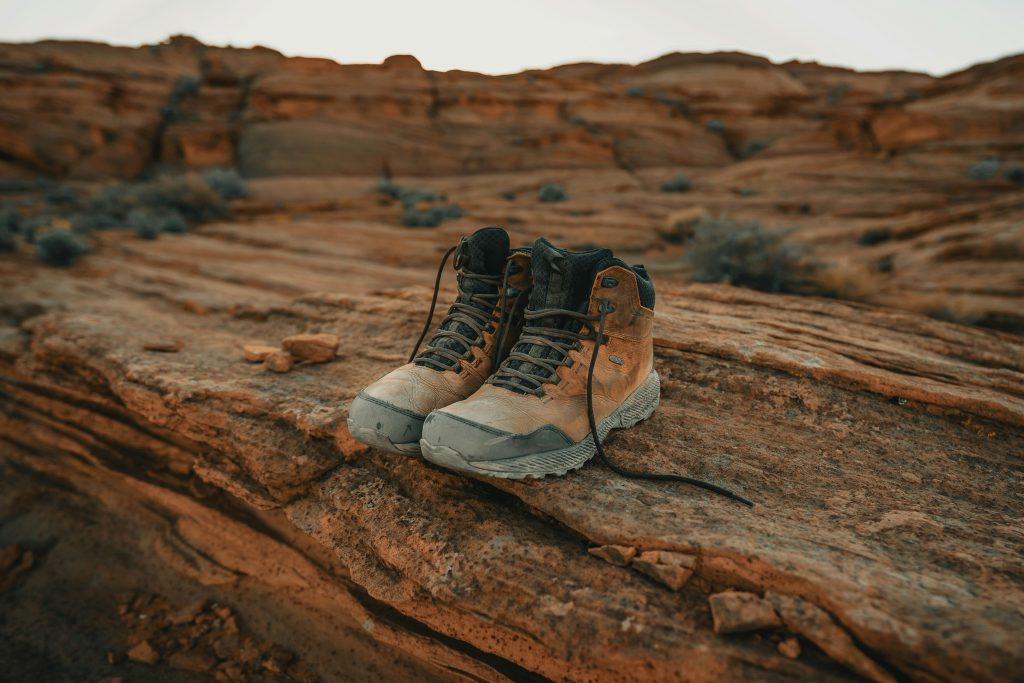
5. Sturdy, Closed-Toe Walking Shoes or Hiking Boots for Safari Tours
Footwear can make or break your safari travel experience. Whether you’re walking through dusty trails, rocky terrain, or lodge grounds, sturdy closed-toe shoes are an essential part of your safari packing list. They protect your feet, support your ankles, and provide traction in unpredictable environments.
Why Proper Footwear Is Essential on Safari
Even if your safari tour involves mostly vehicle-based game drives, you’ll still be walking between camps, rest stops, and possibly on guided bush walks. Wearing the wrong shoes increases your risk of blisters, stubbed toes, or slips.
Best Shoe Options for Safari
| Footwear Type | Benefits |
|---|---|
| Lightweight hiking boots | Ankle support and all-terrain grip |
| Closed-toe trail shoes | Breathable, flexible, and protective |
| Gore-Tex or waterproof lining | Useful for morning dew or unexpected rain |
Packing Tips
- Break in new boots before your trip to avoid discomfort.
- Bring high-quality socks that wick moisture and prevent chafing.
- Avoid open-toe shoes for daytime activities, they invite dust and insects.
Comfortable, reliable shoes are one of the smartest investments for your safari packing checklist. Your feet will thank you.
6. Sandals or Lightweight Camp Shoes: A Smart Addition to Your Safari Packing List
While durable boots are essential for game drives and bush walks, they aren’t necessary all day. That’s where sandals or lightweight camp shoes come in. These are perfect for relaxing at your lodge or walking around camp in the evenings.
Why Camp Shoes Belong in Your Safari Packing Checklist
After hours in hiking boots, your feet will need a break. Camp shoes offer comfort, breathability, and convenience without compromising protection. Insects can still be active around camp, so closed-toe or at least sturdy sandals are best.
Recommended Footwear Types
| Footwear Option | Best Use Case |
|---|---|
| Sport sandals (e.g., Teva) | Durable, breathable, easy to clean |
| Lightweight slip-ons | Ideal for lodge use and quick errands |
| Closed-toe travel flats | Good mix of comfort and protection |
Packing Tips
- Choose light, packable shoes that dry quickly.
- Avoid flip-flops, they offer poor support and minimal protection.
- Look for shoes with grip soles, especially on dirt or uneven lodge paths.
Camp shoes add a layer of comfort to your safari travel experience without adding much weight to your bag. They’re a smart addition to every well-rounded safari packing list.
7. High-SPF Sunscreen and Lip Balm: Must-Haves on Your Safari Packing Checklist
Long days in the sun are a defining part of safari travel. Whether you’re in an open-top vehicle or hiking with a guide, UV exposure is constant. That’s why a high-SPF sunscreen and lip balm are essential items on any safari packing list.
Why Sun Protection Matters on Safari Tours
Even on overcast days, UV rays can cause damage. Without proper protection, you risk sunburn, cracked lips, or even heat rash. These small discomforts can quickly escalate and interfere with your enjoyment.
What to Pack for Sun Protection
| Item | Why It’s Needed |
|---|---|
| SPF 30+ or 50+ broad-spectrum | Shields against UVA and UVB rays |
| Lip balm with SPF | Prevents dryness and sunburn on sensitive skin |
| Travel-size containers | Easy to pack and reapply during drives |
Packing Tips
- Apply sunscreen 30 minutes before heading out and reapply every 2–3 hours.
- Use non-greasy, sweat-resistant formulas for hot conditions.
- Choose products labeled reef-safe or biodegradable to reduce environmental impact.
Though they may seem small, these items play a big role in your comfort. Adding them to your safari packing checklist ensures your skin stays protected throughout your journey.
8. Insect Repellent with DEET or Picaridin: A Critical Part of Your Safari Packing List
When you’re deep in the bush, insects aren’t just a nuisance, they can pose real health risks. Mosquitoes and other bugs are common in safari environments, especially near water sources. That’s why a reliable insect repellent is a non-negotiable item in your safari packing checklist.
Why Insect Repellent Is Essential for Safari Travel
Mosquitoes in some regions may carry malaria or other diseases. Even in non-malaria zones, bites can cause irritation, swelling, and sleep disruption. A strong insect repellent helps you stay bite-free and focused on enjoying your safari tours.
Effective Insect Repellent Options
| Ingredient Type | Recommended Use |
|---|---|
| DEET (20–30%) | Long-lasting protection against most insects |
| Picaridin (20%) | Less odor and irritation; just as effective as DEET |
| Natural sprays | Ideal for sensitive skin, but may need frequent use |
Packing Tips
- Apply repellent to exposed skin and clothing.
- Reapply after sweating or wiping down with a towel.
- Consider bringing mosquito-repellent wipes for quick, portable use.
Including insect repellent in your safari packing list is not optional, it’s a safety essential. Make it a priority and enjoy your trip with fewer worries and zero itch.
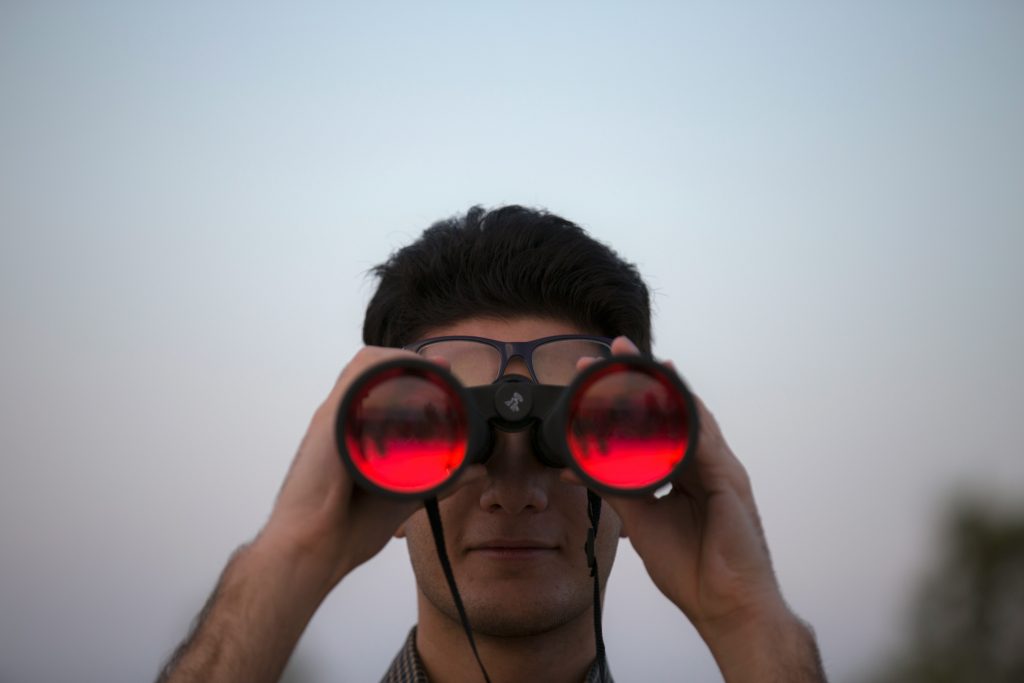
9. Binoculars for Game Viewing: A Key Addition to Your Safari Packing List
Seeing wildlife in its natural habitat is the highlight of any safari tour. But without binoculars, you’ll likely miss out on some of the most thrilling moments. While guides often carry a pair, having your own ensures you never miss a second.
Why Binoculars Belong in Every Safari Packing Checklist
Many animals, especially predators, keep their distance from vehicles. A good pair of binoculars lets you see lions lounging, leopards in trees, or elephants grazing across the savannah without disturbing them.
Features to Look for in Safari Binoculars
| Feature | Why It Matters |
|---|---|
| Magnification 8x to 10x | Ideal balance between zoom and image stability |
| Compact or travel-sized | Easy to pack and carry during game drives |
| Weatherproof or fogproof | Withstands safari conditions |
| Wide field of view | Helps track moving animals |
Packing Tips
- Attach a neck strap or harness to keep them accessible.
- Store in a padded case to prevent damage in transit.
- Clean the lenses regularly to avoid dust build-up.
Binoculars aren’t just gear, they’re a gateway to immersive wildlife viewing. Add them to your safari packing list and elevate your entire experience.
10. Compact Camera or Smartphone with Zoom: Capture Every Moment of Your Safari Travel
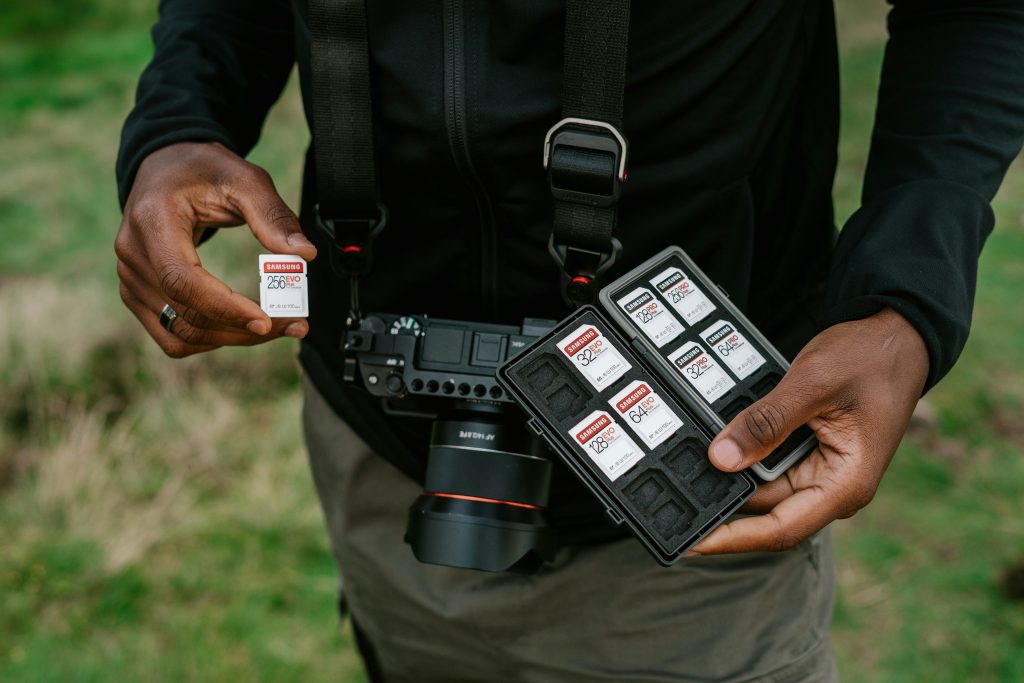
A safari is full of once-in-a-lifetime moments, and you’ll want to capture them. Whether it’s a lion yawning at sunrise or elephants crossing your path, bringing the right camera gear should be high on your safari packing list.
Why Photography Matters on Safari Tours
While your eyes will do most of the work, your camera lets you take those memories home. Wildlife sightings are often fleeting and at a distance, so zoom capability is key. A smartphone with a telephoto lens or a compact camera with optical zoom works perfectly.
Ideal Camera Options for Safari Travel
| Camera Type | Why It Works |
|---|---|
| Compact travel camera (10x+ zoom) | Lightweight and high-quality images |
| Smartphone with telephoto lens | Easy to carry and share photos instantly |
| DSLR with zoom lens (optional) | Professional-grade photos, but heavier to carry |
Packing Tips
- Bring extra memory cards and a spare battery.
- Pack a soft cloth for cleaning dust off your lens.
- Store gear in a padded bag to protect it on bumpy drives.
You don’t need bulky equipment to get incredible shots. Just choose something reliable, and make sure it’s part of your safari packing checklist.
11. Reusable Water Bottle or Hydration Pack: Stay Hydrated on Safari Tours
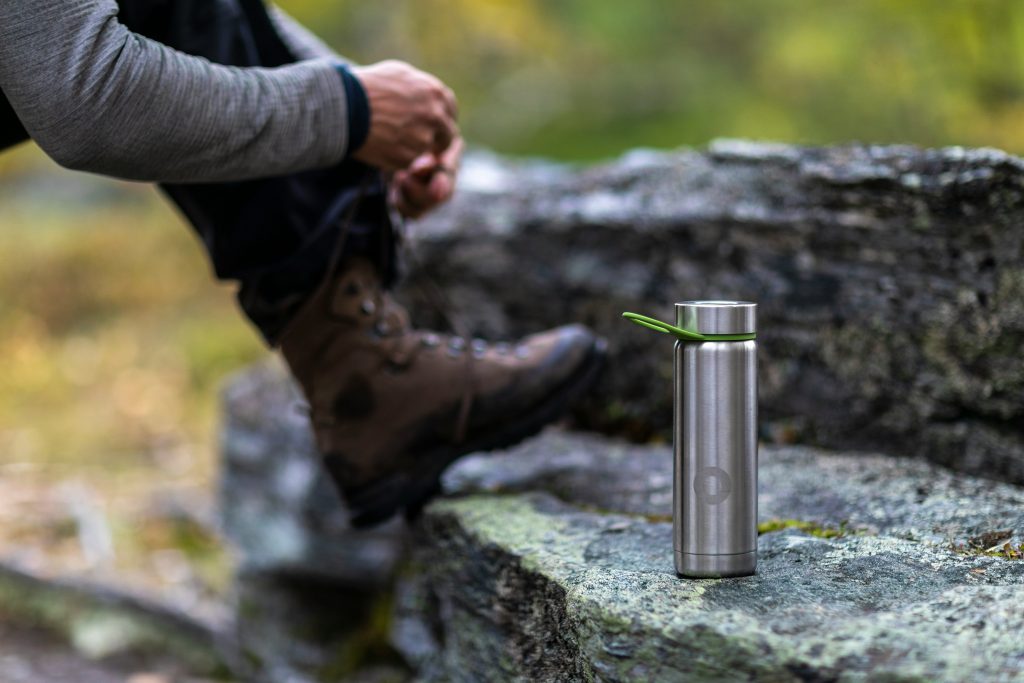
Dehydration is a common but avoidable issue during safari travel. Game drives can last several hours under the sun, and access to water may be limited. That’s why a reusable water bottle or hydration pack is an essential item in your safari packing list.
Why Hydration Matters During Safari Travel
Safari environments are typically hot, dry, and dusty. Even without physical exertion, you’ll lose fluids quickly. Proper hydration supports energy, mental focus, and physical comfort, all of which are crucial when you’re out spotting wildlife.
Recommended Hydration Options
| Hydration Gear | Benefits |
|---|---|
| Insulated reusable bottle | Keeps water cool for hours |
| Collapsible water bottle | Lightweight and easy to store |
| Hydration pack (with tube) | Convenient for hands-free sipping on hikes |
Packing Tips
- Choose bottles with a wide mouth for easier refilling and cleaning.
- Avoid single-use plastic bottles to reduce waste.
- Refill every chance you get, don’t wait until you’re thirsty.
Staying hydrated keeps you alert and energized. Add one of these options to your safari packing checklist so you can explore without discomfort or fatigue.
12. Travel-Size Toiletry Kit: Biodegradable Essentials for Your Safari Packing List
When heading into remote regions on safari tours, access to amenities is often limited. That’s why a compact, well-stocked toiletry kit is a must-have on your safari packing list. Choosing eco-friendly, biodegradable products also helps protect the sensitive environments you’ll be visiting.
Why a Safari-Ready Toiletry Kit Matters
Most safari lodges and camps have limited water and plumbing infrastructure. Additionally, you may not find your preferred brands or products in rural locations. Packing smart means being self-sufficient while also minimizing your impact on the environment.
What to Include in Your Safari Toiletry Kit
| Item | Purpose |
|---|---|
| Biodegradable soap and shampoo | Gentle on skin and safe for the environment |
| Travel toothbrush and toothpaste | Oral hygiene on the go |
| Quick-dry microfiber towel | Lightweight and fast-drying |
| Feminine hygiene products (if needed) | Often unavailable in remote areas |
Packing Tips
- Use refillable silicone travel bottles to save space.
- Include a zippered pouch or dry bag to prevent leaks.
- Don’t forget hand sanitizer and wet wipes for when water is limited.
A thoughtful toiletry setup ensures you stay clean, fresh, and respectful of the wild spaces that make safari travel so special.
13. Basic First Aid Kit with Personal Medications: A Safari Packing List Essential
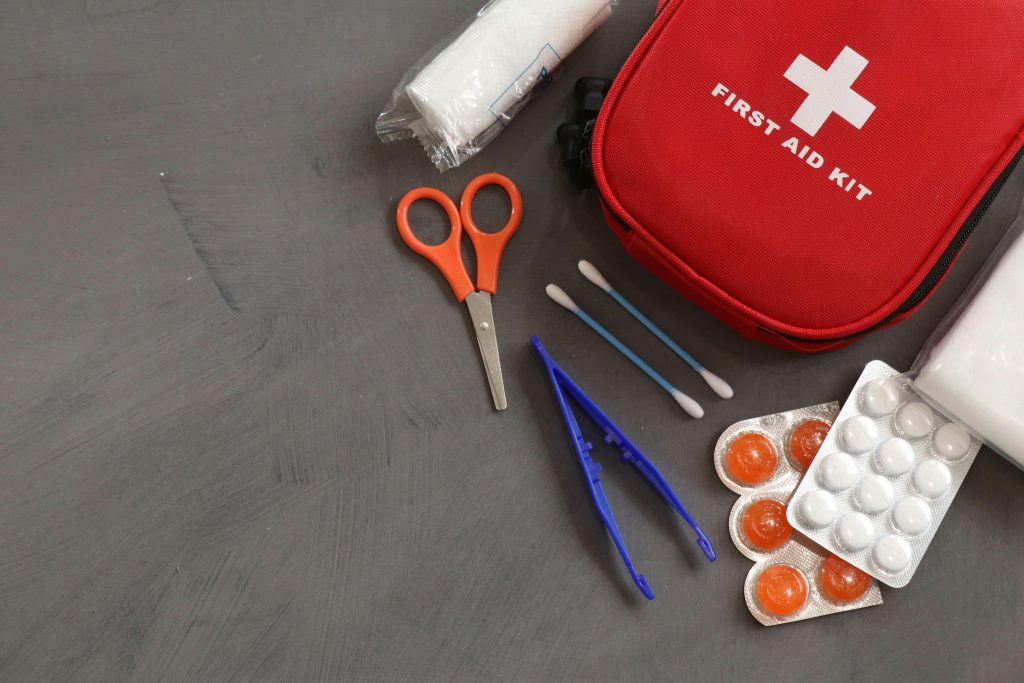
Health and safety come first when you’re far from the nearest pharmacy. That’s why a compact first aid kit and your personal medications are essential parts of any safari packing list. While guides often carry emergency supplies, having your own ensures you’re always prepared for minor injuries or health issues.
Why Personal Medical Prep Matters on Safari Tours
Insects, rough terrain, sun exposure, and long travel days can lead to cuts, headaches, or stomach issues. A basic first aid kit gives you the tools to handle these quickly, minimizing discomfort and avoiding disruption to your safari travel experience.
First Aid Essentials to Pack
| Item | Purpose |
|---|---|
| Band-aids and antiseptic wipes | Treat minor cuts and scrapes |
| Pain relievers (e.g., ibuprofen) | Help with headaches, soreness, or inflammation |
| Antihistamines | Manage allergic reactions |
| Anti-diarrheal meds | Useful for sensitive stomachs in new regions |
| Personal prescriptions | Ensure uninterrupted treatment |
Packing Tips
- Store medications in a labeled pouch for easy access.
- Pack a few extras of essential meds, in case of delays.
- Always carry a copy of your prescription list when traveling internationally.
A properly packed first aid kit adds peace of mind to your safari packing checklist. You’ll be ready for the unexpected, without missing a moment of the adventure.
14. Travel Documents & Copies: A Non-Negotiable on Your Safari Packing List
No safari travel plan is complete without properly organizing your travel documents. From your passport to your travel insurance and entry permits, these items form the foundation of a smooth and stress-free trip. Including both original and backup copies is essential for emergencies.
Why Travel Documentation Is Critical on Safari Tours
You may be crossing borders, checking into remote lodges, or booking internal flights. In each case, officials or tour operators will require identification and proof of reservations. Having everything ready ensures a seamless safari experience.
Key Documents to Pack
| Document Type | Purpose |
|---|---|
| Passport (valid for 6+ months) | Required for entry into most countries |
| Printed flight itineraries | Useful in areas with poor internet access |
| Safari permits and park fees | Required for entry into national parks |
| Travel insurance info | Covers unexpected cancellations or injuries |
| Emergency contact sheet | Helpful in case of medical or security issues |
Packing Tips
- Keep originals in a waterproof pouch or RFID-safe wallet.
- Store copies in a separate bag and email digital versions to yourself.
- Double-check visa requirements for all countries on your itinerary.
These documents are more than paperwork, they’re your access pass to unforgettable safari tours. Keeping them safe and organized should be a top priority on your safari packing checklist.
15. Lightweight Daypack or Crossbody Bag: Keep Essentials Close During Safari Travel
On any safari tour, you’ll need quick access to items like water, binoculars, camera gear, and sunscreen. A lightweight daypack or secure crossbody bag helps keep your essentials organized and within reach. It’s a practical addition that completes your safari packing list.

Why You Need a Small, Functional Bag
While your main luggage stays at the lodge or in the vehicle, your daypack becomes your constant companion. Whether you’re on a game drive, visiting a local village, or going for a short hike, it allows you to carry what you need without overpacking.
Best Features to Look For
| Bag Type | Ideal Features |
|---|---|
| Lightweight daypack | Padded straps, internal compartments, compact |
| Crossbody travel bag | Zippered, theft-resistant, fits essentials |
| Foldable backpack | Packs easily when not in use |
Packing Tips
- Choose neutral or earthy tones to blend in with your environment.
- Include a small dry bag inside for electronics or documents.
- Make sure it’s comfortable, you’ll carry it for hours at a time.
With the right bag, you won’t need to rummage through your main luggage every time you need sunscreen or a pair of sunglasses. It’s the final touch for a well-prepared safari packing checklist.
Conclusion: Be Ready, Travel Light, Enjoy More
Packing smart is the key to a great safari. With these 15 essentials, you’ll be prepared for anything, from early game drives to hot afternoons and unexpected weather.
Stick to the list, pack only what you need, and focus on the experience. A well-planned safari packing list means less stress and more adventure.
Now you’re ready, enjoy every wild, unforgettable moment.
Planning your first safari with kids or older family members? Don’t miss our guide to the 8 Magical African Family Safaris for First-Time Travelers, perfect for a safe, exciting, and unforgettable experience.
Found this safari packing list helpful?
Leave a comment below and let us know what you’re bringing on your safari!
If you enjoyed this post, don’t forget to share it with fellow travelers.