
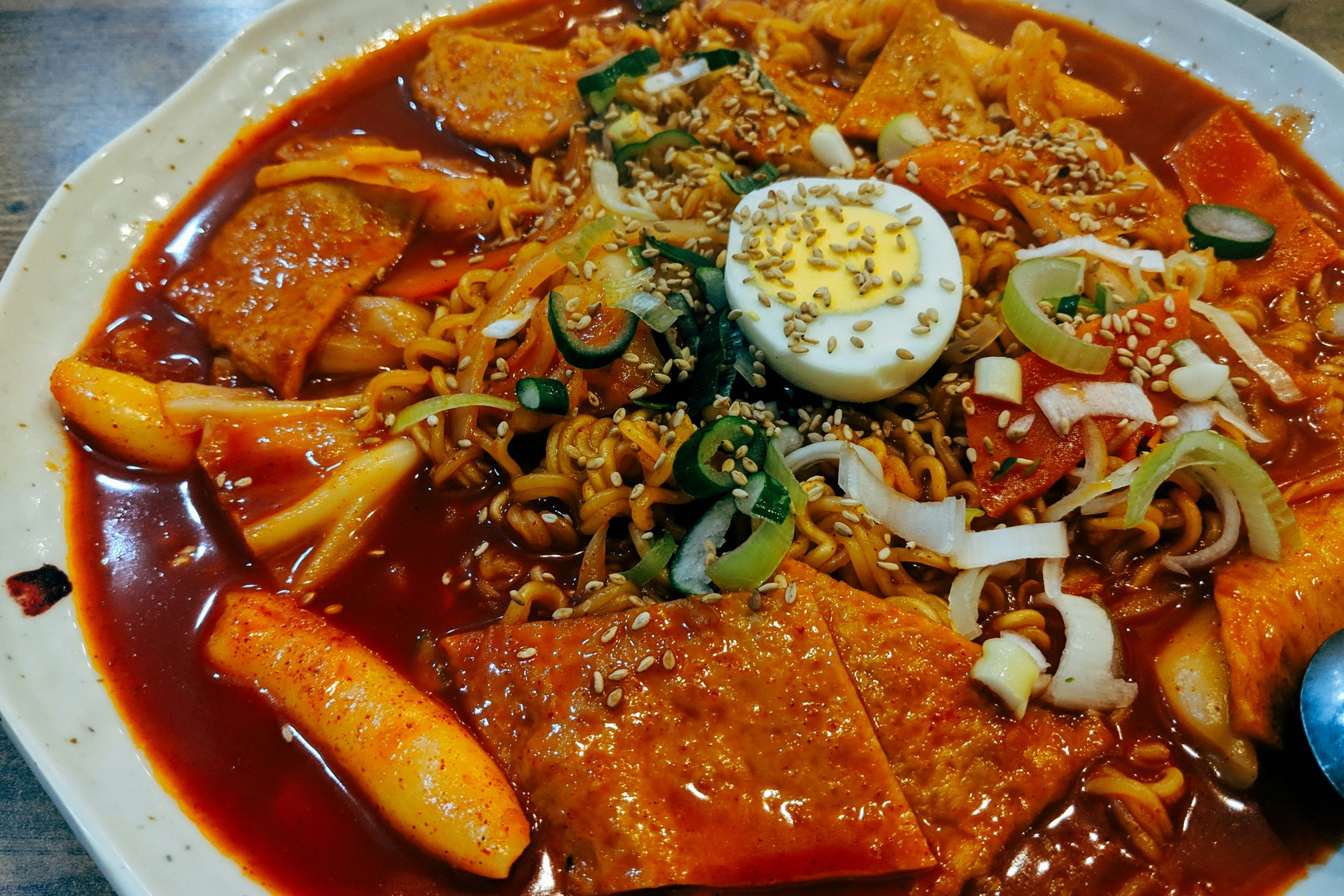
A Culinary Journey Through Korea: Why South Korea is a Foodie’s Paradise
When you think of foods to try in South Korea, your taste buds are in for an unforgettable ride. South Korea’s culinary landscape is vibrant, diverse, and deeply rooted in centuries of culture. From sizzling street food stalls to high-end hanjeongsik feasts, every bite tells a story.
Unlike many modern cuisines, Korean food still emphasizes seasonality, balance, and bold flavors. Even better, eating is an experience here, not just a meal. Most dishes come with an exciting variety of textures, colors, and communal elements that elevate the entire experience.
In major cities like Seoul and Busan, you’ll discover an overwhelming variety of must-try foods in Korea. Whether you’re a fan of heat, umami, or sweet-and-savory combinations, South Korea caters to all palates.
Here’s why it’s a foodie destination:
- A unique balance of ancient techniques and modern twists
- Dishes based on fermented, grilled, steamed, and raw methods
- Local specialties vary by province, making travel even more delicious
If you love culinary exploration, then trying Korean food isn’t optional, it’s essential. With that said, let’s dive into the 15 most authentic and flavorful foods to try in Korea. You’ll want to bookmark each one.
1. Kimchi: The Iconic Fermented Delight
The Most Essential of All Foods to Try in South Korea
No list of foods to try in South Korea would be complete without kimchi. This fermented cabbage dish, seasoned with chili pepper, garlic, ginger, and salted seafood, is served with nearly every meal across the country. Kimchi is more than just a side dish, it’s the soul of Korean cuisine.
What makes kimchi a must-try food in Korea isn’t just its fiery, complex flavor. It’s also incredibly healthy. Rich in probiotics and vitamins, it supports digestion and boosts immunity. While napa cabbage kimchi is the most common, there are over 200 regional and seasonal varieties to explore.

Why Kimchi Deserves Your Attention:
- It’s been part of Korean meals for over 3,000 years.
- Many locals eat it three times a day.
- It appears in stews, pancakes, fried rice, and more.
Different Types of Kimchi to Try:
| Type | Main Ingredient | Flavor Profile |
| Baechu Kimchi | Napa cabbage | Spicy, sour, umami |
| Kkakdugi | Radish | Crunchy, pungent |
| Chonggak Kimchi | Young radish | Earthy, peppery |
| Nabak Kimchi | Water-based veggie | Mild, refreshing |
To truly appreciate Korean food to try, kimchi should be your starting point. Whether you love bold spices or are new to fermented foods, kimchi offers a flavorful gateway into Korea’s food culture.
2. Bibimbap: A Symphony in a Bowl
A Colorful Must-Try Food in Korea That Satisfies All Palates
Bibimbap is one of the most beloved foods to try in South Korea, known for its stunning presentation and balanced nutrition. Literally meaning “mixed rice,” this dish combines warm white rice with sautéed vegetables, gochujang (red chili paste), sesame oil, and often a fried egg or marinated meat on top.
What makes bibimbap special isn’t just the variety, it’s the harmony. Each ingredient is carefully prepared to bring out its own texture and flavor. Once mixed, the elements come together to create a rich, satisfying bite.

Core Components of Bibimbap:
| Ingredient | Role in the Dish |
| Rice | Base and starch |
| Namul (veggies) | Texture and nutrition |
| Gochujang | Spice and sweetness |
| Egg | Creamy balance |
| Beef (optional) | Protein and depth |
Pro Tip: Order dolsot bibimbap, served in a hot stone bowl. It crisps the rice at the bottom, adding an irresistible crunch to each bite.
Whether you’re dining in a traditional hanok or at a modern restaurant, bibimbap remains one of the healthiest and most photogenic Korean foods to try. Moreover, it’s a great introduction for travelers who are new to Korean cuisine.
3. Samgyeopsal: Grilled Pork Belly at Its Finest
A Social Korean Food to Try That Brings People Together
Among the most interactive foods to try in South Korea is samgyeopsal, thick slices of pork belly grilled right at your table. It’s not just a meal; it’s a lively experience that combines food and friendship.
This must-try food in Korea is typically served unseasoned, allowing diners to control their flavor journey. Once grilled to a golden crisp, the pork is wrapped in lettuce or perilla leaves with garlic, ssamjang (a savory dipping sauce), and kimchi. The result? A juicy, crunchy, and herbaceous bite every time.

Typical Samgyeopsal Set Includes:
| Item | Purpose |
| Pork belly slices | Main protein |
| Lettuce or perilla | Wrapping greens |
| Garlic and chili | Flavor enhancers |
| Ssamjang | Signature dipping sauce |
| Kimchi & pickles | Cut through the richness |
Why Foodies Love It:
- You grill it yourself, control the crispness and doneness.
- Every bite is customizable.
- It’s perfect for sharing with locals or fellow travelers.
Although not spicy or complex, samgyeopsal is one of the most popular Korean foods to try for both its taste and the communal atmosphere it creates.
4. Tteokbokki: Spicy Rice Cake Street Snack
A Bold and Addictive Korean Food to Try from Local Markets
If you’re exploring foods to try in South Korea, Tteokbokki is impossible to miss. Found at nearly every street corner, this spicy rice cake dish is a street food legend. It’s chewy, fiery, sweet, and irresistibly comforting.
Tteokbokki is made with garaetteok, cylinder-shaped rice cakes simmered in a thick, vibrant gochujang sauce. Often paired with fish cakes, boiled eggs, or scallions, this dish offers the kind of warmth you crave on a chilly Korean evening.

Key Ingredients in Classic Tteokbokki:
| Ingredient | Flavor/Texture Role |
| Rice cakes (tteok) | Chewy base |
| Gochujang | Sweet and spicy sauce |
| Fish cakes | Protein and umami |
| Boiled egg | Creamy contrast |
| Green onions | Freshness and color |
Why It’s a Must-Try Food in Korea:
- It’s easy to find, from Seoul’s Gwangjang Market to Busan’s alley stalls.
- The chewy texture is unlike anything you’ve tried before.
- It hits multiple flavor notes in every bite.
Whether you’re new to Korean cuisine or a seasoned foodie, Tteokbokki offers a bold introduction to the local spice palate. It’s also one of the most iconic foods to try in Korea while navigating night markets or food alleys.
5. Bulgogi: Marinated Beef Perfection
A Sweet and Savory Korean Food to Try That Melts in Your Mouth
Bulgogi, which translates to “fire meat,” is one of the most refined and flavorful foods to try in South Korea. This dish features thin slices of beef (often sirloin or ribeye) marinated in a delicate mixture of soy sauce, sugar, sesame oil, garlic, and pear juice, then grilled or pan-cooked to tender perfection.
Unlike heavier barbecue dishes, bulgogi strikes a perfect balance between sweet and savory. The marinade not only enhances the meat’s flavor but also keeps it incredibly moist. As a result, each bite is tender, juicy, and rich in umami.

Common Accompaniments for Bulgogi:
| Side Dish | Flavor Pairing Function |
| Steamed rice | Balances richness |
| Lettuce wraps | Adds freshness & crunch |
| Kimchi | Brings tang and heat |
| Pickled radish | Offers palate cleansing |
Why Bulgogi Is a Must-Try Food in Korea:
- It’s loved by both locals and tourists alike.
- It’s kid-friendly and less spicy than other dishes.
- You’ll often find it in traditional home-cooked meals and upscale restaurants.
Whether you try sizzling from a pan or chargrilled at a Korean BBQ spot, bulgogi stands out as one of the most accessible and flavorful Korean foods to try, especially for first-time visitors.
6. Japchae: Stir-Fried Glass Noodles
A Light and Elegant Korean Food to Try at Any Celebration
Japchae is one of the most beloved foods to try in South Korea, especially during holidays, birthdays, and traditional celebrations. Made from sweet potato starch noodles (dangmyeon), this dish is stir-fried with thinly sliced vegetables, mushrooms, soy sauce, sesame oil, and sometimes beef or egg.
Although it’s lighter than most Korean main dishes, japchae is rich in texture and layered in flavor. It’s slightly sweet, delicately savory, and wonderfully aromatic thanks to sesame oil and garlic.

Core Ingredients in Japchae:
| Ingredient | Role in Flavor and Texture |
| Dangmyeon noodles | Chewy, glass-like texture |
| Carrots, spinach | Colorful and fresh |
| Mushrooms | Earthy umami depth |
| Soy sauce/sesame | Savory and nutty base |
| Optional beef | Adds protein and richness |
Why It’s a Must-Try Food in Korea:
- It’s often served at special events, highlighting its cultural importance.
- It’s both vegetarian- and meat-lover-friendly.
- The noodles absorb every bit of seasoning, making each bite flavorful.
While japchae is more subtle than other spicy Korean foods to try, it offers a satisfying, well-rounded dish that’s suitable as both a side or main course. Don’t leave South Korea without experiencing this staple of traditional Korean cuisine.
7. Jjajangmyeon: Black Bean Noodles Comfort Food
A Korean Food to Try for Deep Flavor and Pure Satisfaction
Jjajangmyeon is one of the most comforting and filling foods to try in South Korea. Originating from Korean-Chinese cuisine, it features thick wheat noodles smothered in a glossy black bean sauce called chunjang. Often served with diced pork and vegetables, it’s a hearty, flavorful meal that has become a national favorite.
This dish is especially popular for takeout and delivery, making it a go-to comfort food across the country. The savory-sweet sauce, paired with chewy noodles, offers a rich, earthy flavor that’s hard to forget.

What You’ll Find in a Bowl of Jjajangmyeon:
| Ingredient | Flavor Contribution |
| Chunjang sauce | Deep umami and sweetness |
| Pork or seafood | Adds richness and texture |
| Onions, zucchini | Provides balance and crunch |
| Wheat noodles | Absorbent and chewy base |
Why It’s a Must-Try Food in Korea:
- It’s incredibly filling and deeply satisfying.
- A common dish during “Black Day” (a Korean singles holiday).
- Available everywhere, from budget eateries to upscale restaurants.
Even though it’s less flashy than other foods to try in Korea, jjajangmyeon captures a nostalgic, everyday flavor that many locals grow up loving. If you’re looking for authentic, soul-soothing comfort, this is your dish.
8. Sundubu-jjigae: Soft Tofu Stew for the Soul
A Spicy and Comforting Korean Food to Try on a Chilly Day
If you’re looking for warming and hearty foods to try in South Korea, sundubu-jjigae should top your list. This spicy soft tofu stew is a staple in Korean households and restaurants alike, especially during the colder months. It’s served bubbling hot in a stone pot, often with a raw egg cracked on top just before serving.
Made with uncurdled tofu (sundubu), this stew has a creamy texture and absorbs the bold flavors of its spicy broth. Typically, it includes vegetables, mushrooms, and your choice of seafood, beef, or pork.
What Makes Up a Classic Sundubu-jjigae:
| Ingredient | Purpose in the Stew |
| Sundubu (soft tofu) | Silky texture and protein |
| Gochugaru & gochujang | Heat and depth of flavor |
| Seafood or meat | Richness and umami |
| Egg (optional) | Creaminess and body |
Why It’s a Must-Try Food in Korea:
- The stew warms you from the inside out.
- Tofu absorbs the spice for a deeply satisfying bite.
- It’s usually served with a bowl of rice and several banchan.
Among the many foods to try in Korea, sundubu-jjigae stands out for its perfect blend of heat, comfort, and simplicity. Plus, it’s a great option for vegetarians if ordered without meat or seafood.
9. Banchan: A Symphony of Side Dishes
The Ultimate Korean Food to Try That Completes Every Meal
When exploring the essential foods to try in South Korea, you can’t overlook banchan. These are the small side dishes served with almost every Korean meal. More than just extras, banchan creates a dynamic eating experience, offering contrasting flavors, colors, and textures with every bite.
Typically, you’ll receive 3 to 12 banchan depending on the meal and restaurant. While some are staples, like kimchi or bean sprouts, others rotate with the seasons. This daily variety means no two Korean meals are exactly the same.

Common Types of Banchan:
| Name | Description |
| Kimchi | Fermented cabbage, spicy and tangy |
| Kongnamul | Seasoned soybean sprouts, nutty and fresh |
| Gamja Jorim | Braised potatoes in soy sauce |
| Oi Muchim | Spicy marinated cucumbers |
| Japchae (mini) | Stir-fried glass noodles, lightly sweet |
Why Banchan Is a Must-Try Food in Korea:
- It reflects the balance and harmony of Korean meals.
- You can try multiple flavors in one sitting.
- Refills are usually free in restaurants.
What makes banchan one of the more culturally immersive Korean foods to try is how it transforms even a simple meal into a shared feast. It’s variety, tradition, and flavor, all served in tiny dishes.
10. Haejang-guk: Hangover Soup with Heart
A Hearty Korean Food to Try That Locals Swear By
Among the most underrated yet soulful foods to try in South Korea is haejang-guk, known as “hangover soup.” Traditionally consumed the morning after a night of drinking, this rich, revitalizing soup is packed with nutrients and deep flavor.
Haejang-guk varies by region and restaurant, but the most common versions include a beef or pork broth, cabbage, soybean paste, and sometimes congealed ox blood. It may sound intense, but the taste is deeply savory and comforting.
Common Ingredients in Haejang-guk:
| Ingredient | Contribution |
| Napa cabbage or radish | Earthy, cleansing base flavor |
| Beef broth | Rich, hearty foundation |
| Perilla seeds | Adds nuttiness and thickness |
| Ox blood cubes | Iron-rich texture (optional) |
| Soybean paste | Salty, fermented umami depth |
Why It’s a Must-Try Food in Korea:
- Many Koreans eat it for breakfast after drinking.
- It’s regarded as both a meal and a remedy.
- Broths vary across the country, offering regional variety.
While not as flashy as some other foods to try in Korea, haejang-guk delivers an authentic taste of everyday Korean life. It’s restorative, deeply cultural, and worth trying, even if you’re not nursing a hangover.
11. Gimbap: Korea’s Answer to Sushi
A Convenient and Colorful Korean Food to Try on the Go
Gimbap (also spelled kimbap) is one of the most popular and versatile foods to try in South Korea, especially for travelers. At first glance, it may resemble Japanese sushi, but gimbap has its own unique identity. Instead of raw fish, it features cooked and seasoned ingredients rolled in seaweed with rice.
This portable roll is perfect for picnics, hikes, or quick street-side snacks. Whether you’re in a Seoul subway station or a countryside rest stop, you’ll find gimbap everywhere fresh, affordable, and delicious.

Popular Gimbap Fillings:
| Filling Type | Flavor Profile |
| Bulgogi (beef) | Savory and sweet |
| Tuna mayo | Creamy and rich |
| Odeng (fish cake) | Mild, slightly chewy |
| Egg strips | Light and fluffy |
| Pickled radish | Crunchy and slightly tangy |
Why It’s a Must-Try Food in Korea:
- Extremely convenient and travel-friendly.
- Offers a wide variety of flavors in one roll.
- A healthy, satisfying meal or snack.
If you’re looking for foods to try in Korea that are easy to eat on the move, gimbap is your go-to option. It’s filling, adaptable, and embodies the balance and that Korean food is known for sweet, salty, crunchy, and chewy in every bite.
12. Dakgalbi – Spicy Stir-Fried Chicken
A Crowd-Pleasing Korean Food to Try in a Cast-Iron Pan
Dakgalbi is a fiery and flavorful Korean food to try that’s both a feast and a performance. This popular dish features marinated chicken chunks stir-fried with gochujang (Korean chili paste), cabbage, rice cakes, sweet potatoes, and scallions, all cooked on a sizzling iron pan right at your table.
Originally a budget meal for college students in Chuncheon, dakgalbi has grown into a nationwide favorite. Its communal nature makes it a go-to choice for groups of friends or families eating out.
Typical Ingredients in Dakgalbi:
| Ingredient | What It Brings to the Dish |
| Chicken (boneless) | Juicy, protein-rich base |
| Gochujang sauce | Heat and depth of flavor |
| Cabbage & onions | Crunch and balance |
| Tteok (rice cakes) | Chewiness and body |
| Mozzarella cheese | Optional creamy finish |
Why It’s a Must-Try Food in Korea:
- Cooked and eaten communally, great for social dining.
- Spicy and savory, with a sweet undertone.
- Customizable with cheese, ramen, or fried rice at the end.
As one of the boldest foods to try in South Korea, dakgalbi satisfies spice lovers while offering a customizable experience. Just be sure to bring your appetite, it’s rich, hearty, and absolutely addicting.
13. Hotteok – Sweet Pancakes of Joy
A Beloved Korean Food to Try When Your Sweet Tooth Strikes
Hotteok is a must-have for dessert lovers exploring foods to try in South Korea. This popular winter street snack consists of a warm, chewy dough filled with a sugary, nutty mixture that caramelizes as it cooks on a griddle. The result is a gooey center wrapped in a crisp, golden-brown exterior.
You’ll find hotteok at food stalls across cities like Seoul, Incheon, and Busan, especially during the colder months. While the traditional filling includes brown sugar, cinnamon, and chopped peanuts, modern variations add green tea, cheese, or even pizza toppings.
Types of Hotteok to Explore:
| Variety | Filling & Flavor Profile |
| Classic Hotteok | Brown sugar, cinnamon, nuts |
| Green Tea Hotteok | Matcha-flavored dough |
| Cheese Hotteok | Salty-sweet with gooey cheese |
| Pizza Hotteok | Tomato, cheese, and sausage |
Why It’s a Must-Try Food in Korea:
- Crispy on the outside, soft and gooey inside.
- Incredibly affordable and satisfying.
- Offers both traditional and creative flavors.
Hotteok is one of the most comforting and accessible foods to try in Korea, especially when you’re wandering markets in the winter. Grab one while it’s hot, you won’t regret it.
14. Naengmyeon: Icy Buckwheat Noodle Soup
A Cool and Refreshing Korean Food to Try During Summer
If you’re traveling in Korea during the warmer months, naengmyeon is one of the most essential foods to try in South Korea. This dish features long, thin buckwheat noodles served in an icy, tangy broth or sometimes with a spicy sauce. It’s light, refreshing, and surprisingly filling.
Naengmyeon originated in North Korea but has since become a national summertime favorite. It’s commonly served in two styles: mul naengmyeon (cold broth) and bibim naengmyeon (spicy sauce). The noodles are famously chewy, and diners often use scissors to cut them before eating.

Two Main Styles of Naengmyeon:
| Type | Key Characteristics |
| Mul Naengmyeon | Icy beef or dongchimi broth, mild |
| Bibim Naengmyeon | Spicy gochujang-based sauce |
Typical Toppings:
- Sliced cucumber
- Korean pear
- Boiled egg
- Pickled radish
- Sometimes cold beef slices
Why It’s a Must-Try Food in Korea:
- Offers a refreshing escape from spicy and hot dishes.
- Showcases Korea’s mastery of balance and texture.
- Perfect for cleansing the palate after BBQ or fried foods.
Among the many Korean foods to try, naengmyeon stands out for its unique texture, cool temperature, and bold contrast to the country’s warmer comfort dishes.
15. Korean Fried Chicken: Crispy, Crunchy, Addictive
A Global Sensation and Iconic Korean Food to Try Before You Leave
Few foods to try in South Korea have earned as much global attention as Korean fried chicken. Unlike its Western counterpart, Korean-style chicken is double-fried for an incredibly crispy crust, then tossed in sauces that range from sweet soy garlic to spicy gochujang glaze.
What truly sets this dish apart is its contrast of textures, crackly on the outside, juicy inside, and its variety of flavors. You’ll find it at casual chain restaurants, bars, and street stalls, often served with cold beer (chimaek, short for chicken + maekju/beer).

Popular Korean Fried Chicken Styles:
| Style | Flavor Profile |
| Yangnyeom Chicken | Spicy, sweet, and sticky |
| Huraideu (plain) | Lightly seasoned, extra crispy |
| Soy Garlic | Salty and sweet, less heat |
| Cheese Powdered | Savory and tangy with a twist |
Why It’s a Must-Try Food in Korea:
- Perfect balance of flavor, texture, and spice.
- Usually served with pickled radish to cleanse the palate.
- A popular late-night meal paired with cold beer.
Korean fried chicken is not just a fast food, it’s a cultural event. Whether you’re in a cozy pub or ordering delivery in your hotel room, it’s one of the most satisfying foods to try in Korea.
Pro Tips for Exploring Korean Cuisine
Make the Most of Every Food to Try in South Korea
South Korea offers a stunning array of culinary experiences, but knowing how to approach them can make all the difference. These essential tips will help you explore the full spectrum of foods to try in South Korea safely, respectfully, and deliciously.
1. Embrace Banchan Culture
- Don’t be shy, try everything that’s placed on the table.
- Most side dishes are refillable at no extra cost.
2. Know the Spice Levels
- Ask how spicy a dish is before ordering.
- “Mae-un” means spicy in Korean. You can say “an-mae-woon-geot juseyo” to ask for mild food.
3. Eat Local, Eat Seasonal
- Visit markets like Gwangjang (Seoul) or Jagalchi (Busan) for seasonal street eats.
- Regional specialties can be hidden gems, Jeonju for bibimbap, Chuncheon for dakgalbi.
4. Use the Right Tools
| Tool | When to Use |
| Metal chopsticks | Most sit-down meals |
| Spoon | For soups and rice |
| Scissors | For noodles and meat |
5. Be Respectful of Dining Etiquette
- Wait for the elders to start eating before you do.
- Refill others’ drinks before your own.
Trying new Korean foods to try is more rewarding when you understand the context and customs. With these tips, you’ll dine confidently and connect more deeply with Korean culture.
Wrapping It Up: Taste Your Way Across South Korea
Your Culinary Passport to the Best Foods to Try in South Korea
From spicy stews to sweet pancakes, the foods to try in South Korea deliver a rich journey through taste, tradition, and culture. Every region has something different to offer, and every meal becomes a memorable experience, especially when you know what to look for.
Whether you’re a street food fanatic, a market explorer, or someone who enjoys sit-down meals, Korea has something for every food lover. As you plan your culinary itinerary, remember that each dish tells a story, and trying it is your way of becoming part of that story.
Ready for Your Next Foodie Adventure?
If this guide whet your appetite for culinary travel, don’t miss our guide to the Top 15 Best Foodie Vacations Every Food Lover Must Try, you’ll discover even more delicious destinations around the world.
We Want to Hear From You!
- Which Korean food to try are you most excited about?
- Have you already tasted any of these dishes?
- Got a favorite street stall or secret spot?
Leave a comment below, share this guide with fellow foodies, and tag us if you post your Korean food adventures! Let’s make this a community where flavor meets travel.