

Explore the Most Popular Foods in Spain That Deliver Bold Flavor and History
Spain offers an irresistible journey through culture, color, and cuisine. Each region adds its unique flavor to a diverse food scene. From Madrid’s bustling markets to Andalusia’s whitewashed villages, foods to try in Spain surprise and delight at every turn. Tapping into centuries-old recipes and seasonal ingredients, Spanish cuisine brings tradition to the table with passion.
Exploring famous Spanish foods also means more than enjoying meals, it’s about uncovering the stories behind them. Dishes often trace back to Roman times, Moorish influence, or seafaring trade routes. As a result, they offer both heritage and innovation.
Whether seeking salty seaside snacks or hearty inland feasts, Spain serves flavor in every bite. From tapas bars to home kitchens, locals create dishes that win hearts globally. Additionally, the emphasis on fresh, local ingredients ensures a vibrant dining experience.
This guide uncovers twelve unforgettable dishes. These foods in Spain promise to leave lasting impressions. Ready to start the journey?
1. Jamón Ibérico: The Crown Jewel of Foods from Spain
Among the most iconic foods to try in Spain, jamón ibérico stands tall. Crafted from the black Iberian pig and cured for up to 36 months, this delicacy offers rich, nutty flavors and melt-in-the-mouth texture. Spain treats jamón not just as food, but as a legacy.
Unlike regular ham, jamón ibérico undergoes a slow-curing process using sea salt and natural air-drying. The result is a ham that’s both delicate and intense. Thanks to acorn-fed diets, the meat gains its signature marbling and taste.

Here’s what to look for when enjoying jamón ibérico:
| Type | Description |
| Jamón Ibérico de Bellota | From acorn-fed pigs; highest quality |
| Jamón Ibérico de Cebo | Grain-fed pigs; slightly milder flavor |
| Jamón Serrano | More common; less expensive alternative |
For best experience:
- Slice paper-thin with a sharp knife.
- Serve at room temperature.
- Pair with crusty bread and Spanish wine.
This masterpiece deserves a place at the center of any Spanish food tour. And yes, even locals keep coming back for more.
2. Paella Valenciana: A Timeless Food to Try in Spain
No list of foods to try in Spain feels complete without paella. As one of the most famous Spanish foods, paella Valenciana originated in the rice fields of Valencia. Unlike seafood variations seen on tourist menus, the traditional version combines rabbit, chicken, and local vegetables with rice flavored by saffron.
This dish cooks in a wide, shallow pan over an open flame. The key lies in the rice absorbing all the flavors without stirring, allowing the crispy bottom layer, called socarrat, to form.

Here’s what sets real paella Valenciana apart:
- Main Ingredients: Chicken, rabbit, flat green beans, and sometimes snails.
- Seasoning: Saffron, smoked paprika, rosemary, and olive oil.
- Rice: Short-grain bomba rice absorbs liquid without turning mushy.
- Cooking Method: Traditionally prepared outdoors over wood fires.
Paella isn’t just food, it’s an event. Often made for Sunday gatherings, it brings people together around the table. It’s no surprise this dish ranks among the most popular foods in Spain, offering an unforgettable experience with every forkful.
3. Patatas Bravas: Spain’s Spiciest Snack Worth the Hype
Craving something crispy, spicy, and deeply satisfying? Enter patatas bravas, one of the most beloved foods to try in Spain. These fried potato cubes are golden on the outside, tender inside, and drenched in spicy tomato-based brava sauce. A dollop of creamy allioli adds the perfect cooling balance.
As one of the most popular foods in Spain, patatas bravas appear on almost every tapas menu. Simple in ingredients yet bold in taste, this dish reflects Spain’s love for strong flavors and social snacking.

What makes patatas bravas irresistible?
- Crisp Texture: Potatoes are double-fried for extra crunch.
- Spicy Brava Sauce: Made from tomatoes, smoked paprika, vinegar, and chili.
- Creamy Contrast: Garlic allioli provides a cool, creamy counterpoint.
- Easy Sharing: Served as tapas for casual group dining.
No visit to a Spanish bar feels complete without a plate of bravas. Locals often enjoy them with a cold beer or vermouth, especially during late afternoon meetups. This dish represents everything that’s fun about foods in Spain: flavorful, social, and totally addictive.
4. Tapas Culture: The Ultimate Way to Taste Multiple Foods from Spain
No guide to foods in Spain would be complete without mentioning tapas. This iconic style of dining allows for sampling small plates of various famous Spanish foods in one meal. Each dish offers a unique taste of Spanish flavor, all while promoting conversation and community.
Tapas aren’t just snacks, they reflect the way Spain eats. Meals become shared experiences, and the table becomes a gathering space. Whether standing at a crowded bar or relaxing on a sunlit terrace, tapas deliver both variety and joy.

Common tapas include:
- Gambas al ajillo – Sizzling garlic shrimp in olive oil.
- Croquetas – Fried bites filled with béchamel and jamón.
- Pan con tomate – Rustic bread with tomato, olive oil, and garlic.
- Chorizo al vino – Spicy sausage simmered in red wine.
In many Spanish cities, especially Granada and León, tapas are free with a drink. This custom makes it easy to explore many popular foods in Spain without committing to full portions.
Tapas culture encourages movement, flavor exploration, and a laid-back rhythm that defines Spanish dining. Tasting becomes traveling, one plate at a time.
5. Gazpacho and Salmorejo: Refreshing Cold Foods from Spain
Southern Spain gets hot, sometimes sizzling past 40°C. That’s where gazpacho and salmorejo come to the rescue. These cold soups, served chilled, offer refreshing relief and rich flavor, making them two of the most essential foods to try in Spain during summer.
Both dishes hail from Andalusia and use ripe tomatoes as the base. However, their textures, flavors, and toppings differ significantly.
Here’s a quick comparison:
| Feature | Gazpacho | Salmorejo |
| Texture | Thin, drinkable | Thick, creamy |
| Key Ingredients | Tomato, cucumber, pepper, vinegar | Tomato, bread, garlic, olive oil |
| Common Toppings | Diced vegetables, croutons | Jamón bits, hard-boiled egg |
| Temperature | Ice-cold | Chilled, not icy |
Gazpacho often comes in a glass, while salmorejo arrives in a bowl with spoon-ready density. Each offers a vibrant, tangy flavor that highlights Spain’s deep connection to fresh produce.
Not only are these foods from Spain tasty, but they also represent smart eating rooted in climate and tradition. Eating locally never felt so cool, literally.
6. Churros con Chocolate: A Sweet and Famous Spanish Food Worth Waking Up For
Among all the sweet foods to try in Spain, few inspire as much joy as churros con chocolate. Found in cafes, markets, and churro vans across the country, this treat pairs crispy, deep-fried dough sticks with a thick, velvety cup of hot chocolate.
Though often considered a breakfast food, churros also make late-night appearances, especially after festivals or long nights out. This dessert-meets-meal snack has become one of the most popular foods in Spain, thanks to its satisfying texture and flavor.
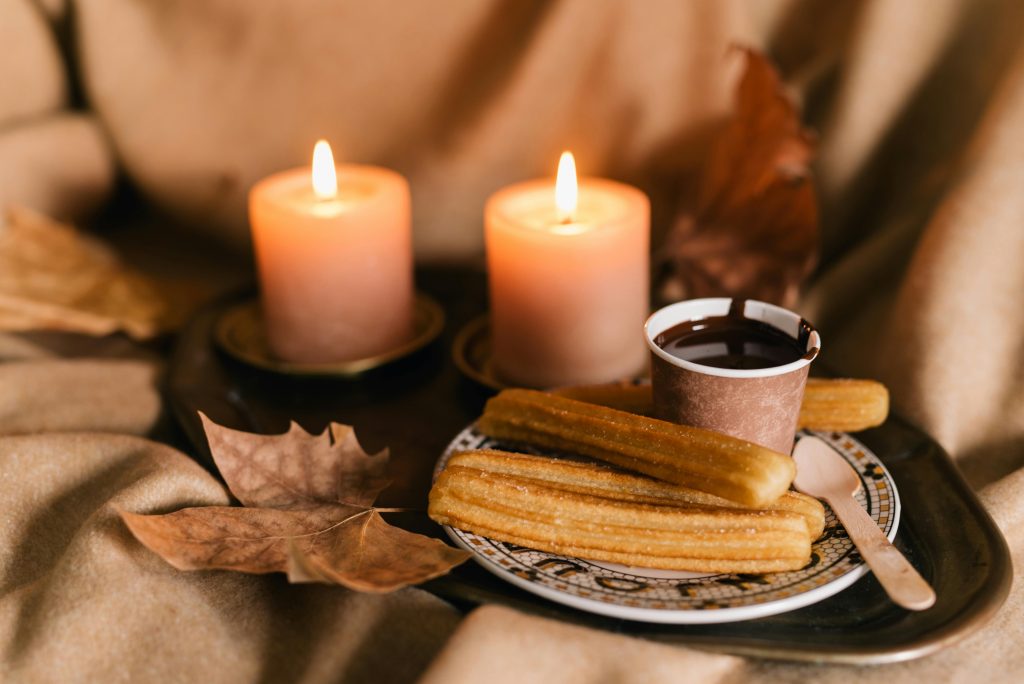
Here’s how a perfect plate of churros unfolds:
- Fry the Dough: Fresh dough gets piped into hot oil and fried until golden brown.
- Dust with Sugar: A quick sprinkle of sugar adds sweetness without overpowering.
- Prepare the Chocolate: Spanish-style hot chocolate is thick, almost like pudding.
- Dip and Enjoy: Each churro gets dunked, soaked, and devoured while still warm.
Despite their simple ingredients, churros con chocolate offer deep flavor and cultural warmth. As a result, this dish has earned its spot among the most beloved foods from Spain, both for locals and travelers.
7. Pulpo a la Gallega: A Coastal Spanish Food Classic with Deep Flavor
From the rocky shores of Galicia comes one of the most iconic seafood foods to try in Spain, pulpo a la gallega. This beloved dish features octopus that’s boiled until perfectly tender, then sliced and served over boiled potatoes. It’s drizzled with olive oil and dusted with smoky paprika and sea salt.
As a traditional dish of Galicia, pulpo a la gallega is a staple at festivals and family gatherings. Its preparation is deceptively simple, but when done right, it delivers bold, sea-kissed flavor in every bite.
What makes it one of the best foods in Spain?
- Tender Octopus: Proper boiling techniques keep the texture soft, not rubbery.
- Bold Garnish: Spanish paprika and coarse salt elevate the flavor.
- Rustic Presentation: Often served on wooden platters, adding to its charm.
- Cultural Significance: Common at pulperías, specialized octopus restaurants.
While pulpo a la gallega may not appear on every tourist menu, it’s one of those famous Spanish foods that locals proudly champion. Its balanced simplicity and bold seasoning make it unforgettable.
8. Tortilla Española: A Classic Food from Spain Made with Humble Ingredients
When talking about foods to try in Spain, no dish feels more homegrown than tortilla española, also known as tortilla de patatas. Made with just a few ingredients like eggs, potatoes, olive oil, and sometimes onions, this Spanish omelet delivers big on taste and comfort.
Served hot, cold, or at room temperature, it fits every part of the day: breakfast, lunch, snack, or late-night bite. Its versatility and satisfying texture have helped it remain one of the most popular foods in Spain for generations.
What makes tortilla española stand out?
- Soft, Custard-like Center: Properly cooked, it’s tender inside with a golden exterior.
- Minimal Ingredients: Simple pantry staples produce rich, hearty flavor.
- Customizable: Some include onions (con cebolla), others stay purist (sin cebolla).
- Eaten Everywhere: Found in homes, tapas bars, and even gas stations, always reliable.
Although modest in appearance, tortilla española represents the soul of everyday foods from Spain. Its balance of flavor and texture continues to satisfy locals and travelers alike.
9. Pimientos de Padrón: A Playful and Spicy Popular Food in Spain
Small, green, and full of surprises, Pimientos de Padrón are a favorite among foods to try in Spain. Grown in Galicia and fried quickly in olive oil, these bite-sized peppers are sprinkled with flaky sea salt and served hot. Most are mild, but occasionally, one brings unexpected heat, adding a playful twist to every plate.
They often appear as a tapa in bars and restaurants, offering a perfect balance of charred skin, tender flesh, and bold seasoning. Their simplicity makes them easy to enjoy and even easier to love.
Here’s a quick breakdown:
| Feature | Description |
| Texture | Soft interior with lightly blistered skin |
| Flavor Profile | Mild, grassy, occasionally spicy |
| Cooking Method | Flash-fried in hot olive oil |
| Serving Style | Piled high on a plate, topped with coarse sea salt |
Pimientos de Padrón serves as proof that famous Spanish foods don’t need complexity to impress. The random burst of heat keeps diners engaged, while the light preparation highlights Spain’s love of fresh, flavorful ingredients.
10. Croquetas: Creamy Comfort Wrapped in Crispy Perfection
Among all the foods to try in Spain, croquetas stand out for their rich texture and deep flavor. These golden, breadcrumb-coated bites are filled with a silky béchamel mixture, often combined with jamón, chicken, mushrooms, or salt cod.
Served hot and crisp, croquetas appear everywhere, from elegant restaurants to casual tapas bars. With roots in both home cooking and street food, they’ve become one of the most popular foods in Spain, enjoyed by people of all ages.
Why do croquetas earn their spot among famous Spanish foods?
- Crispy Exterior: Achieved by rolling in breadcrumbs and deep-frying.
- Velvety Filling: A creamy béchamel base offers smooth texture in every bite.
- Flavor Versatility: Fillings range from savory meats to vegetarian options.
- Perfect for Sharing: Commonly served in groups as part of a tapas spread.
These compact bites deliver intense flavor and comfort in every mouthful. Whether ordered from a menu or made at home, croquetas remain a timeless example of the hearty, crave-worthy foods in Spain.
11. Tarta de Santiago: A Traditional Sweet Food from Spain’s North
Originating from Galicia, Tarta de Santiago stands as one of the most cherished sweet foods to try in Spain. This almond-based cake, often marked with the Cross of Saint James in powdered sugar, offers a moist, nutty flavor with hints of lemon and cinnamon.
The cake dates back centuries and holds deep cultural significance. Pilgrims on the Camino de Santiago often enjoy a slice at journey’s end in Santiago de Compostela. Gluten-free and made with just a few ingredients, it offers simple elegance on every fork.
Here are the essential ingredients:
| Ingredient | Purpose |
| Almond flour | Base flavor and moist texture |
| Eggs | Binds the mixture |
| Sugar | Adds sweetness |
| Lemon zest | Brightens the flavor |
| Cinnamon | Adds warmth and depth |
Served plain or with a touch of whipped cream, Tarta de Santiago showcases the understated brilliance of many foods from Spain. While not overly sweet, its richness lingers long after the last bite.
12. Chorizo al Vino: A Spicy and Bold Food to Try in Spain
For those craving a bold, smoky flavor, chorizo al vino delivers on every level. This dish features Spanish chorizo, rich in paprika and garlic, slow-cooked in red wine until the sausage absorbs the deep, velvety flavor. As one of the must-have foods to try in Spain, it offers intensity in both taste and aroma.
Often served as a tapa, chorizo al vino is simple yet powerful. The red wine reduces into a thick sauce, coating each slice of sausage and enhancing its spicy character. Best enjoyed warm, it pairs perfectly with crusty bread and a glass of Rioja.
Here’s why chorizo al vino remains a top pick among popular foods in Spain:
- Robust Flavor: Smoky chorizo meets earthy red wine.
- Minimal Ingredients: Sausage, wine, bay leaf, and garlic do the work.
- Perfect for Sharing: Served in small clay dishes as a tapa.
- Deep Cultural Roots: Common throughout Spain’s wine-producing regions.
As one of the heartiest foods from Spain, this dish turns every bite into a celebration of spice, tradition, and warmth.
Tips for Enjoying Famous Spanish Foods Like a Local
Tasting foods to try in Spain is about more than ordering the right dish, it’s about understanding when, how, and where to enjoy them. Spanish dining customs reflect the nation’s laid-back rhythm, social culture, and strong sense of tradition.
To make the most of every meal, follow these tried-and-true tips:
1. Follow the Clock, Loosely
Meals follow a unique timeline in Spain:
- Lunch (Comida): Between 2–4 PM, often the largest meal.
- Dinner (Cena): Typically served after 9 PM.
- Tapas: Enjoyed anytime, often with drinks and friends.
2. Order the Menu del Día
For authentic flavors at great value, ask for the daily fixed menu. It usually includes three courses and a drink, ideal for sampling lesser-known foods from Spain.
3. Embrace the Tapas Crawl
Rather than sitting for one big meal, try hopping from bar to bar. Order one dish and one drink at each stop. This tradition, known as tapeo, introduces diners to a wide variety of famous Spanish foods.
4. Ask for Regional Specialties
Different areas of Spain have distinct dishes. Ask locals or staff what their region does best.
5. Eat Slowly and Socially
Meals are meant to be enjoyed with others. Take time between courses. Appreciate both the flavors and the conversations.
Final Thoughts on Foods to Try in Spain: A Culinary Memory Worth Savoring
Spain doesn’t just serve food, it serves moments. From a crispy croqueta in a buzzing tapas bar to a slow-cooked paella shared with locals on a Sunday afternoon, every dish holds the spirit of its region. Foods to try in Spain aren’t about complexity; they’re about quality, tradition, and pure enjoyment.
Whether it’s the smoky richness of chorizo al vino or the sweet elegance of tarta de Santiago, Spanish cuisine turns travel into taste. Each plate, bowl, and glass introduces the eater to something deeper: history, geography, and community.
As the final bite is savored, one thing becomes clear, this journey through foods in Spain doesn’t truly end. Cravings for famous Spanish foods linger, calling for another trip, another table, and another story told through flavor.
Hungry for more than just food? Explore these 10 Epic Spain Itinerary Ideas for an Unforgettable Trip to plan your next adventure, and pair it with the perfect plate.
Love Spanish Food? Let’s Talk!
Have you tried any of these foods in Spain before? Have a favorite dish that didn’t make the list?
Drop your thoughts in the comments below, because every food story is better when shared.
If this post made you hungry (or inspired your next trip), go ahead and share it with fellow travelers and food lovers. Your insights, reactions, and questions help keep the travel conversation going.
Let’s build a community of foodies who travel and travelers who love food.