
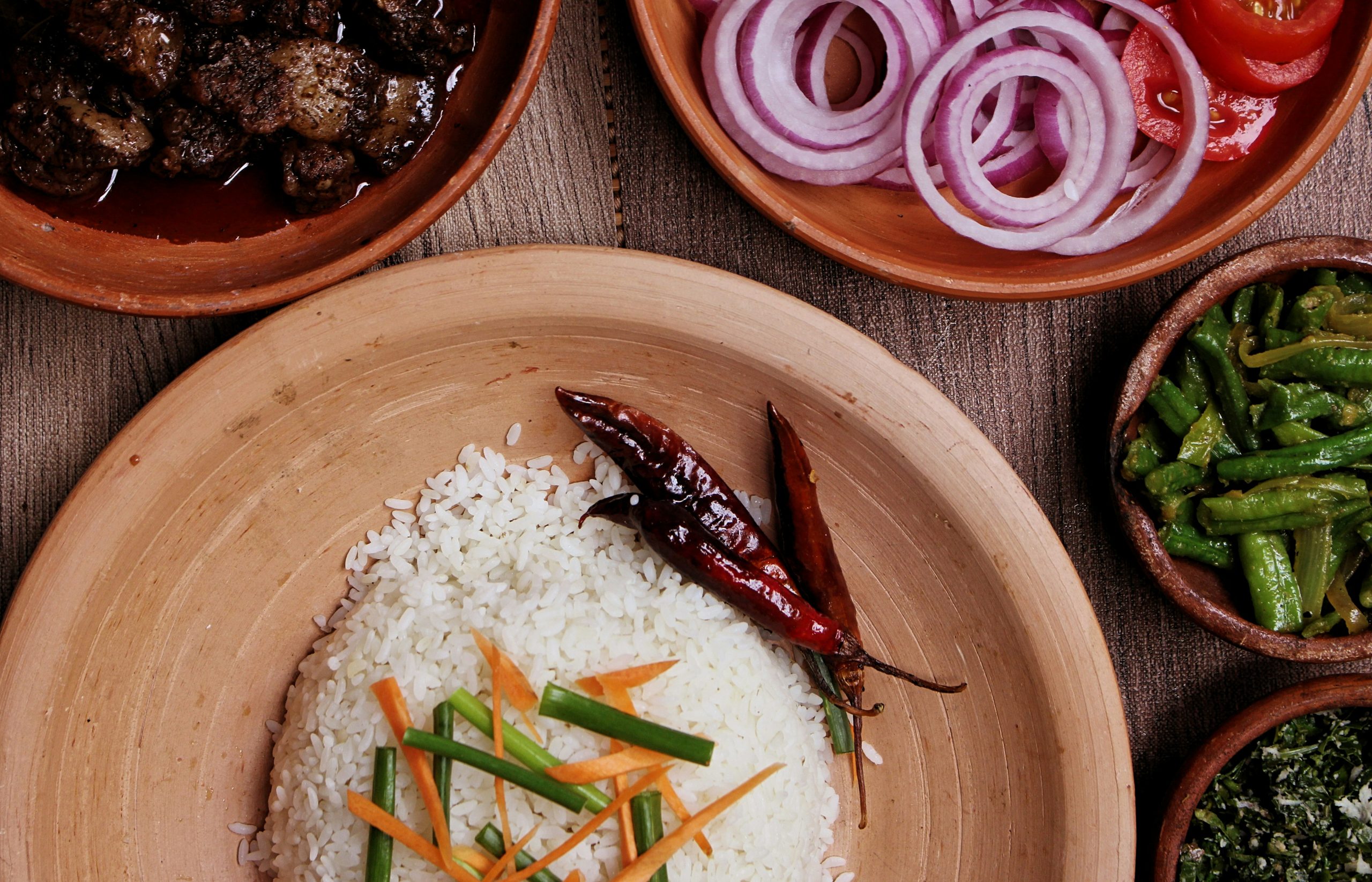
Introduction: Dive into the Delights of Sri Lankan Cuisine
Food in Sri Lanka bursts with bold spices, fresh ingredients, and centuries-old traditions. In every bustling street, ceramic plates or banana leaves deliver a taste of history. This guide curates 10 Irresistible Foods to Try in Sri Lanka. Each dish represents the Sri Lankan cuisine spirit vibrant, diverse, and deeply satisfying.
Discover how the cuisine of Sri Lanka blends indigenous flavors with influences from traders and colonizers. Explore savory street food, sweet tropical treats, and healthful curries. Each bite tells a story of island life, cultural intermixing, and coastal abundance.
Featuring must-try dishes like hopper, kottu roti, crab curry, and pol sambol, this list covers Sri Lankan traditional foods loved by locals and adventurous tourists alike. This casual foodie-friendly journey remains informative, providing context, history, flavors, and where to find each dish.
Get ready for flavor-packed sections ahead: delicious descriptions, cooking insights, pairing tips, and even cooking hacks. Whether craving fiery, tangy, or creamy flavors, these Sri Lankan foods will delight every palette.
1. Hopper: A Must-Try in the List of Foods to Try in Sri Lanka
The Bowl-Shaped Delight at the Heart of Sri Lankan Cuisine
Few dishes represent Sri Lankan cuisine as well as the beloved hopper. Known locally as “appa,” this bowl-shaped pancake features a crispy, lacy edge and soft, fluffy center. Typically made with fermented rice flour and coconut milk, hoppers come in various styles, from plain to egg-filled or even sweetened with palm treacle.
Often served at breakfast or dinner, hoppers pair perfectly with spicy sambols, dhal curry, or a rich coconut gravy. Because of their versatility, hoppers have become a staple across the island, from roadside stalls to high-end restaurants. Therefore, any list of foods to try in Sri Lanka would be incomplete without this flavorful favorite.
Popular Types of Hoppers:
| Hopper Type | Description |
| Plain Hopper | Simple, crispy, usually served with sambol |
| Egg Hopper | One egg cracked into the center |
| Sweet Hopper | Drizzled with palm syrup or jaggery |
Moreover, the process of making hoppers is a culinary skill. The batter must ferment properly for the right tang. A curved pan helps achieve the signature bowl shape. Every element of this dish reflects the diversity and creativity within Sri Lankan foods.
Enjoyed at roadside stalls or festive family meals, hoppers deliver both comfort and culture on a plate. Without question, they’re one of the most irresistible Sri Lankan traditional foods to experience.
2. Kottu Roti: The Loud and Flavorful Star of Sri Lankan Traditional Foods
Discover Why Kottu Roti Tops the List of Foods to Try in Sri Lanka
Loud, savory, and completely addictive,kottu roti stands out in the world of Sri Lankan cuisine. This flavorful street food combines chopped godamba roti (flatbread) with vegetables, eggs, spices, and meat or tofu. Everything is mixed and chopped on a sizzling iron griddle, creating a rhythmic sound that’s just as iconic as the dish itself.
Every bite of kottu delivers texture and heat. The spices coat the roti evenly, while ingredients like leeks, onions, and curry leaves build layers of taste. Because of its popularity, kottu can be found across Sri Lanka, from city markets to roadside stands.
Common Variations of Kottu Roti:
| Type | Key Ingredients |
| Chicken Kottu | Sliced chicken, vegetables, curry sauce |
| Cheese Kottu | Melted cheese, egg, roti, onions |
| Vegetarian Kottu | Mixed vegetables, tofu, coconut gravy |
Kottu not only satisfies late-night cravings but also introduces travelers to the casual soul of Sri Lankan foods. It’s fast, hot, and endlessly customizable.
In addition, it’s an interactive experience. Watching a kottu master chop and stir with speed and precision makes the meal even more memorable. Without doubt, this dish belongs high on any list of foods to try in Sri Lanka.
3. Rice and Curry: The Timeless Centerpiece of Sri Lankan Cuisine
A Core Dish Among the Must-Try Sri Lankan Traditional Foods
No list of foods to try in Sri Lanka would be complete without the essential pairing of rice and curry. This meal isn’t just popular, it’s a way of life. Found in every household and restaurant, rice and curry anchor the everyday menu and reflect the diversity of Sri Lankan cuisine.
Each plate includes steamed rice surrounded by an array of curries. From fiery meat gravies to soothing vegetable stews, the combinations are nearly endless. Typically, the meal also features sides like fried eggplant, dhal (lentils), coconut sambol, or green mallung (leafy salad).

Typical Rice and Curry Meal Components:
| Item | Description |
| White/Red Rice | Steamed base made from local grains |
| Fish or Chicken Curry | Cooked with roasted spices and coconut milk |
| Dhal Curry | Mild, creamy lentils |
| Mallung | Finely chopped greens with coconut |
| Papadam | Crispy lentil-based crackers |
What makes this dish extraordinary is the balance of flavors. Sweet, salty, sour, and spicy elements come together on a single plate. Furthermore, every region adds its own twist, southern curries often include coconut milk, while northern versions bring more heat.
For travelers, sampling a traditional rice and curry meal offers deep insight into the cuisine of Sri Lanka. It’s not just food, it’s heritage, comfort, and flavor in perfect balance.
4. Pol Sambol: A Spicy Must-Have in the Cuisine of Sri Lanka
Add Heat and Texture to Any Plate with This Sri Lankan Food Essential
One bite of pol sambol and everything on the plate comes alive. This bold and zesty coconut relish is a cornerstone of Sri Lankan cuisine, served alongside nearly every main dish. Made with freshly grated coconut, red chili flakes, lime juice, salt, and onions, pol sambol adds heat, crunch, and brightness.
Though simple to make, the flavor is anything but basic. When paired with hoppers, rice and curry, or even plain toast, this sambol transforms each bite. Its freshness and spice elevate every meal, making it a dish that truly defines the soul of Sri Lankan foods.
Ingredients Commonly Used in Pol Sambol:
| Ingredient | Flavor Role |
| Fresh Coconut | Adds texture and mild sweetness |
| Chili Flakes | Provides intense heat |
| Lime Juice | Introduces acidity and balance |
| Onion | Adds sharp, savory crunch |
| Maldive Fish (optional) | Boosts umami and depth |
Notably, pol sambol is often made fresh just before serving. That’s because its vibrant flavor comes from uncooked, raw ingredients. Some regional variations include roasted coconut or green chilies for added complexity.
Versatile, fiery, and unforgettable, pol sambol holds its own among the top foods to try in Sri Lanka. It’s more than just a side, it’s a flavor-packed experience rooted in tradition.
5. Fish Ambul Thiyal: A Tangy Classic Among Sri Lankan Traditional Foods
Explore the Sour-Spicy Marvel in the List of Foods to Try in Sri Lanka
When it comes to bold flavor, fish ambul thiyal delivers something truly unique. Known as one of the oldest and most respected dishes in Sri Lankan cuisine, this dry-style curry blends sourness, heat, and deep spice. Originating in the southern coastal regions, this dish showcases how preservation and taste can work hand in hand.
The key ingredient is firm fish, typically tuna or kingfish, cut into chunks and simmered with dried goraka (a tamarind-like fruit), black pepper, garlic, and curry leaves. This blend results in a rich, blackened exterior and an intense, mouth-watering flavor.
Signature Elements of Fish Ambul Thiyal:
| Component | Role in Flavor Profile |
| Goraka (Dried Garcinia) | Adds sour depth and acts as a preservative |
| Curry Leaves | Adds aroma and herbal notes |
| Black Pepper | Provides warmth and slight bitterness |
| Garlic & Ginger | Introduces pungency and spice |
Unlike other Sri Lankan curries, ambul thiyal uses very little gravy. Instead, the fish absorbs all the marinade and becomes flavorful from the inside out. As a result, this dish is perfect when served with rice, pol sambol, or even string hoppers.
Due to its long shelf life, fish ambul thiyal became popular in homes without refrigeration. Today, it’s celebrated across the island and earns a top spot among the foods to try in Sri Lanka.
6. Lamprais: A Colonial Legacy in Sri Lankan Traditional Foods
A Flavor-Packed Parcel and a Highlight Among Foods to Try in Sri Lanka
One of the most fascinating entries in Sri Lankan traditional foods is lamprais, a colonial-era dish with layers of taste and history. Brought to the island by Dutch Burghers, lamprais combines local ingredients and European culinary techniques into a rich, oven-steamed meal served in a banana leaf.
At the heart of lamprais lies ghee-infused rice, surrounded by a flavorful assortment: slow-cooked meat curry, blachan (fermented shrimp paste), ash plantain, brinjal moju (sweet-and-sour eggplant), and a fried boiled egg. Everything is tightly wrapped in banana leaf and baked, allowing the components to fuse and the leaf to infuse its subtle aroma.
Common Ingredients Found in Traditional Lamprais:
| Component | Role in the Dish |
| Ghee Rice | Fragrant, buttery base |
| Mixed Meat Curry | Usually beef, pork, or chicken |
| Eggplant Moju | Sweet and tangy depth |
| Sambol or Paste | Adds heat and umami (often shrimp-based) |
| Banana Leaf Wrap | Enhances flavor during baking |
This dish is not available everywhere. Typically, lamprais is made on weekends or by special order from bakeries or family-run restaurants. Its preparation takes hours, but the end result is an unforgettable showcase of the cuisine of Sri Lanka.
Unlike fast street food, lamprais is a slow-cooked treasure, earning its place on every list of foods to try in Sri Lanka for history lovers and foodies alike.
7. Wambatu Moju: A Tangy Favorite Among Sri Lankan Traditional Foods
Eggplant with Attitude in the List of Foods to Try in Sri Lanka
Among all the flavorful sides in Sri Lankan cuisine, wambatu moju stands out with its bold personality. This sweet-and-sour eggplant pickle adds an irresistible punch to rice and curry meals. Its deep purple color and glossy texture are as appealing as its complex taste.
To prepare this dish, eggplants are sliced, deep-fried until soft and golden, and then mixed with vinegar, sugar, mustard seeds, onions, green chilies, and a touch of turmeric. The result is a tangy, slightly sweet, and pleasantly spicy condiment that balances heavier mains perfectly.
Core Ingredients in Wambatu Moju:
| Ingredient | Function |
| Eggplant | Soft, rich texture and mild base |
| Vinegar | Adds sourness and preserves flavor |
| Sugar | Brings balance with mild sweetness |
| Green Chilies | Introduces a layer of heat |
| Mustard Seeds | Adds a nutty, earthy aroma |
Often served during special occasions and festive meals, wambatu moju elevates any plate of Sri Lankan foods. It can be stored for several days, allowing the flavors to intensify over time.
Incorporating this dish into a Sri Lankan traditional foods’ spread introduces complexity and contrast. It’s not just a side, it’s a flavor bomb that deserves a spot among the top foods to try in Sri Lanka.
8. Sri Lankan Crab Curry: A Coastal Treasure in Sri Lankan Cuisine
Rich, Fiery, and Unforgettable Among the Foods to Try in Sri Lanka
When talking about seafood royalty in Sri Lankan cuisine, crab curry takes the crown. Known locally as “Jaffna crab curry” or “nandu curry,” this coastal dish combines delicate crab meat with a fiery coconut-based gravy. The bold spice mix and fresh seafood flavors create a taste experience that’s both intense and unforgettable.
To prepare this dish, fresh lagoon or mud crabs are cleaned and cracked. The curry base features roasted curry powder, turmeric, garlic, tamarind, fennel seeds, and thick coconut milk. Together, these ingredients create a luscious, spicy gravy that coats every crevice of the crab shell.
Flavor-Building Ingredients in Sri Lankan Crab Curry:
| Ingredient | Flavor Contribution |
| Roasted Curry Powder | Provides depth and heat |
| Coconut Milk | Adds creaminess and balances spice |
| Tamarind | Delivers a subtle tangy twist |
| Fennel & Cumin | Build earthy complexity |
| Curry Leaves | Boost aroma and freshness |
Best enjoyed with steamed rice or crusty bread, crab curry isn’t just a meal, it’s a celebration of Sri Lankan traditional foods. Messy? Absolutely. Is it worth it? Every single time.
For seafood lovers, this curry ranks among the absolute best foods to try in Sri Lanka. It captures the island’s tropical richness and bold culinary identity in every spicy bite.
9. String Hoppers: A Delicate Staple in Sri Lankan Cuisine
Steamed, Soft, and Essential Among Sri Lankan Traditional Foods
Light, lacy, and versatile, string hoppers (known locally as idiyappa) are a cherished part of Sri Lankan cuisine. Made from steamed rice flour noodles shaped into delicate, nest-like disks, these soft and fluffy rounds are often enjoyed at breakfast or dinner alongside flavorful curries and condiments.
Unlike regular hoppers, string hoppers are neutral in flavor. That makes them the perfect vehicle for bold accompaniments. Dhal curry, coconut sambol, chicken gravy, or kiri hodi (coconut milk gravy) all pair beautifully with these silky rice noodles. For that reason, they’re an ideal base in any Sri Lankan traditional foods spread.
Common Pairings for String Hoppers:
| Dish or Side | Flavor Profile |
| Dhal Curry | Creamy, mildly spiced lentils |
| Coconut Sambol | Tangy, spicy, and fresh |
| Chicken Curry | Rich and aromatic |
| Kiri Hodi | Light coconut milk gravy with turmeric |
Making string hoppers involves pressing rice flour dough through a mold, steaming the noodles, and stacking them gently before serving. Though they look delicate, they hold sauces beautifully and soak up every bit of flavor.
As a textural contrast to spiced gravies, string hoppers earn their spot on the list of essential foods to try in Sri Lanka. Their simplicity and versatility reflect the thoughtful balance found throughout the cuisine of Sri Lanka.
10. Sri Lankan Desserts: Sweet Finales in the Foods to Try in Sri Lanka
End the Feast with These Iconic Sri Lankan Traditional Foods
Sweet, sticky, and deeply satisfying, Sri Lankan desserts bring tropical flair and cultural warmth to every meal. Whether served after a curry-laden lunch or during a festival, these traditional sweets capture the richness of Sri Lankan cuisine with ingredients like jaggery, coconut, and rice flour.
From silky custards to crispy fried treats, these classics hold both nostalgic and ceremonial value. Many are made fresh during holidays or family gatherings, while others are sold in roadside shops across the island.

Must-Try Sri Lankan Traditional Desserts:
| Dessert | Description |
| Watalappan | Coconut milk and jaggery custard, spiced with cardamom and nutmeg |
| Kavum (Oil Cake) | Fried rice flour dumpling with crispy texture |
| Kiri Pani | Buffalo curd with golden kithul treacle |
| Coconut Toffee | Fudge-like sweet made with grated coconut, sugar, and cardamom |
| Athirasa | Sticky, fried rice-jaggery fritter |
| Kokis | Crispy flower-shaped rice flour snack, lightly sweetened and fried |
| Pani Walalu | Coiled, deep-fried urad dal rings soaked in treacle |
Pani Walalu adds a special crunch to the dessert spread. Made from fermented urad dal flour, these spiral-shaped rings are fried until crisp and then soaked in thick palm syrup. As a result, each bite delivers a burst of sweet, chewy texture that lingers.
Desserts like these represent the softer, sweeter side of Sri Lankan traditional foods, making them an essential part of the foods to try in Sri Lanka for any culinary traveler.
Bonus: Pol Roti – Rustic Flatbread in Sri Lankan Traditional Foods
A Simple, Soulful Classic in the Cuisine of Sri Lanka
Pol roti, a coconut flatbread made with just a few basic ingredients, is a cherished staple in Sri Lankan cuisine. Made from wheat or rice flour mixed with freshly grated coconut, salt, and water, pol roti is pan-cooked until crisp on the outside and soft on the inside. Often eaten for breakfast or dinner, this versatile bread is perfect when paired with spicy sambols, dhal curry, or fried eggs.
Despite its simplicity, pol roti offers comfort and flavor. Its rich coconut profile and chewy bite make it a popular side to balance out spicier Sri Lankan foods. While it may look unassuming, it plays a key supporting role in many traditional meals.

Popular Pairings with Pol Roti:
| Pairing | What It Adds |
| Pol Sambol | Heat and texture |
| Lunu Miris | Fiery onion and chili blend |
| Kiri Hodi | Creamy coconut gravy |
| Fried Eggs or Dhal | Protein-rich, satisfying additions |
Some variations of pol roti include chopped onions, green chilies, or curry leaves kneaded directly into the dough. These flavorful extras enhance the taste without requiring elaborate preparation.
This humble flatbread showcases the ingenuity behind Sri Lankan traditional foods. It uses local ingredients, simple tools, and timeless methods to create a meal that is both filling and flavorful. That’s why it stands tall among the most authentic foods to try in Sri Lanka.
Where to Try Authentic Foods to Try in Sri Lanka
Discovering the best Sri Lankan foods isn’t just about knowing the names of dishes, it’s also about knowing where to find them. From bustling street stalls to humble homestays and historic restaurants, the most memorable food experiences happen where authenticity thrives.
Best Places to Explore Sri Lankan Cuisine:
| Location Type | What to Expect |
| Street Food Markets | Fresh kottu roti, vadai, hoppers, pol sambol |
| Family-Run Eateries | Home-style rice and curry, string hoppers |
| Homestays & Guesthouses | Traditional meals made with local recipes |
| Coastal Seafood Shacks | Fresh crab curry and ambul thiyal |
| Temple Festivals | Free vegetarian meals during cultural events |
In cities like Colombo, explore open-air markets such as Pettah for quick bites. In Kandy, local eateries serve hearty rice and curry meals with multiple vegetable curries and sambols. Meanwhile, Jaffna offers a spicier take on the cuisine of Sri Lanka, including crab curry and regional thali.
Homestays in places like Ella or Anuradhapura often provide the most authentic experiences. Meals are prepared with traditional ingredients, clay pots, and family recipes passed down for generations.
Trying Sri Lankan traditional foods in their local context adds another layer of richness. It’s not just about taste, it’s about culture, connection, and memory. For anyone exploring the island, these stops are essential to experiencing the best foods to try in Sri Lanka.
Why Everyone Should Try Sri Lankan Traditional Foods
Flavor-packed, history-rich, and refreshingly diverse, Sri Lankan foods are more than just delicious. They offer a full cultural experience that connects people to centuries-old traditions, coastal abundance, and vibrant community life. Every bite reveals something deeper about the island’s past, present, and people. Here’s why foods to try in Sri Lanka deserve a place on every food lover’s radar:
Reasons to Explore Sri Lankan Cuisine:
| Reason | What Makes It Special |
| Rich Heritage | Influences from India, Malaysia, the Dutch, and Arabs |
| Bold Flavor Profiles | Spices, coconut, and fermented ingredients combine beautifully |
| Regional Diversity | Dishes vary from north to south, each region adds a twist |
| Affordable & Accessible | Amazing meals at local eateries and street stalls |
| Health-Conscious Choices | Many meals are naturally plant-based and gluten-free |
In addition, Sri Lankan traditional foods are deeply communal. Meals are shared. Recipes are passed down. Hospitality is shown through generous portions and lovingly prepared dishes. Even the eating style, often using hands, adds a sensory and emotional layer to the experience.
Trying the cuisine of Sri Lanka means diving into the island’s identity. It’s tasting stories, honoring culture, and finding joy in unexpected combinations. For any food lover, it’s a journey well worth taking.
Tips for Enjoying the Best Foods to Try in Sri Lanka
Tasting the rich variety of Sri Lankan foods is a culinary adventure. However, knowing how to enjoy these dishes like a local makes all the difference. From spice levels to street food etiquette, these tips will help every food lover get the most out of the journey through the cuisine of Sri Lanka.
Top Tips for Exploring Sri Lankan Traditional Foods:
- Go Beyond Restaurants
Street vendors, home kitchens, and local guesthouses often serve the most authentic dishes. Don’t miss morning hopper stands or evening kottu stalls. - Mind the Spice
Many dishes, especially curries and sambols, pack serious heat. Ask for “mild” if needed, but don’t skip spice entirely. It’s part of the experience. - Use Your Hands
In Sri Lanka, eating with the right hand is traditional. It enhances texture and flavor appreciation. Wash hands before and after meals. - Try the Banana Leaf
Foods like lamprais and rice and curry are often served on banana leaves. This eco-friendly presentation also adds subtle flavor. - Avoid Tap Water
Stick to bottled or filtered water, especially in rural areas. Be cautious with raw foods unless prepared in hygienic conditions. - Embrace the Breakfast
Breakfast dishes like string hoppers, coconut sambol, and kiri hodi provide a delicious start and are often missed by tourists.
Exploring the foods to try in Sri Lanka becomes even more enjoyable when approached with curiosity and cultural respect. These small tips add big value to every meal.
Conclusion: Celebrating the Bold and Beautiful Cuisine of Sri Lanka
The rich variety of Sri Lankan traditional foods offers more than just flavor, it delivers a window into culture, community, and heritage. From the first bite of a crisp hopper to the last spoonful of watalappan, every dish carries the warmth of home cooking and the vibrance of island life.
What makes the cuisine of Sri Lanka so special is its fearless use of spice, coconut, and time-honored techniques. These dishes have evolved across regions, shaped by traders, colonizers, and the island’s deep-rooted traditions. Yet they remain entirely and uniquely Sri Lankan.
Exploring the foods to try in Sri Lanka means going beyond tourist menus. It means visiting local markets, eating with hands, saying “yes” to sambol, and appreciating food made with heart. And for travelers combining food with romance or luxury, don’t miss the Perfect 14-Day Maldives and Sri Lanka Honeymoon Itinerary for a seamless mix of flavor and relaxation.
Love Sri Lankan Cuisine?
- Leave a comment: Which dish would you try first?
- Share this post: Help fellow food lovers discover what’s cooking in Sri Lanka.
- Join the conversation: Questions, recommendations, or foodie finds? Drop them below!
From north to south, coast to highlands, Sri Lankan foods offer tastes that linger long after the trip ends. Every meal is a memory. Every spice tells a story.