

Introduction to Historical Travel Destinations
Traveling is not just about visiting new places; it’s about immersing yourself in the stories and cultures that have shaped our world. Historical travel destinations offer a unique opportunity to step back in time and witness the remnants of past civilizations, architectural marvels, and pivotal events that have influenced the course of history. From ancient ruins to grand palaces, these destinations provide a captivating window into the lives of those who came before us.
The Importance of Historical Travel
Historical travel is essential for several reasons:
- Education: Visiting historical travel destinations allows travelers to learn about different cultures, traditions, and significant historical events firsthand. These immersive experiences often leave a lasting impression, offering deeper insights than any textbook ever could.
- Preservation: By visiting historical travel destinations, travelers contribute to their preservation. Entrance fees often support maintenance and restoration efforts, helping ensure that these cultural treasures endure for future generations to appreciate.
- Cultural Appreciation: Experiencing historical travel destinations in person fosters a deeper understanding and appreciation of diverse cultures, encouraging respect for the past and its influence on the present.
- Connection: Exploring historical travel destinations creates a sense of connection to the past, walking through ancient ruins or standing at iconic landmarks can evoke powerful emotions and a feeling of belonging to something greater.
How History Shapes Travel Experiences
History is woven into the fabric of travel experiences in various ways:
- Storytelling: Each historical site holds its own unique story. Whether it’s the tale of a great battle, a royal dynasty, or an architectural feat, these historical travel destinations offer rich narratives that enhance the travel experience.
- Architecture and Art: Many historical travel destinations boast stunning architecture and art that reflect the styles and values of their time. From the intricate carvings of ancient temples to the grand designs of palaces, these elements tell stories of human creativity and ingenuity.
- Local Traditions: Historical travel destinations often serve as the backdrop for local traditions and festivals. Engaging with these customs can provide deeper insights into the culture and history of a place.
- Personal Reflection: Visiting historical travel destinations can prompt personal reflection and inspire travelers to consider their own place in history. It encourages a broader perspective on time and humanity.
In conclusion, historical travel destinations are not just places to visit; they are gateways to understanding our world. By exploring these sites, travelers can gain invaluable insights into the past, appreciate diverse cultures, and contribute to the preservation of history. Whether you are wandering through the ruins of ancient civilizations or marveling at the artistry of historical architecture, each experience is a chance to connect with the stories that have shaped our lives today.
1. The Great Wall of China
History and Significance

The Great Wall of China is not just a wall; it is a monumental feat of engineering and a symbol of China’s enduring strength and resilience. Spanning over 13,000 miles, this ancient structure was built over several dynasties, primarily during the Ming Dynasty (1368-1644), to protect against invasions from nomadic tribes. The wall is made up of various materials, including earth, wood, bricks, and stone, depending on the region and the availability of resources. As one of the most significant historical travel destinations, it stands as a testament to China’s rich history and architectural prowess.
Beyond its military purpose, the Great Wall served as a means of border control, allowing the Chinese to regulate trade along the Silk Road. It also facilitated the spread of culture and ideas between different regions. Today, the Great Wall is recognized as a UNESCO World Heritage Site and is considered one of the New Seven Wonders of the World, making it one of the most popular historical travel destinations. It attracts millions of visitors each year who come to marvel at its grandeur and historical significance.
Visiting Tips and Best Times
When planning your visit to the Great Wall, consider the following tips to enhance your experience:

- Choose the Right Section: The Great Wall has several accessible sections, each offering a unique experience. Popular sections include Badaling, which is well-restored and crowded, and Mutianyu, which is less crowded and offers stunning views. For a more adventurous experience, consider hiking the less commercialized sections like Jiankou or Simatai.
- Timing Your Visit: The best times to visit are during spring (April to June) and autumn (September to November) when the weather is mild, and the scenery is breathtaking. Avoid visiting during Chinese public holidays, as the wall can become extremely crowded.
- Wear Comfortable Shoes: The terrain can be uneven and steep in places, so it’s essential to wear sturdy footwear to ensure a safe and enjoyable hike.
- Bring Water and Snacks: While there are some vendors near popular sections, it’s wise to carry your own water and snacks, especially if you plan to hike longer distances.
- Respect the Site: As a UNESCO World Heritage Site, it’s crucial to respect the wall and its surroundings. Stay on designated paths and avoid littering to help preserve this historical treasure for future generations.
In conclusion, visiting the Great Wall of China is not just a journey through history; it is an opportunity to connect with the past and appreciate the incredible efforts that went into its construction. As one of the most iconic historical travel destinations, the Great Wall offers visitors the chance to immerse themselves in China’s rich cultural heritage. Whether you choose to hike along its ancient stones or simply admire its beauty from a distance, the Great Wall promises an unforgettable experience that resonates with the spirit of China.
2. The Pyramids of Giza
Ancient Wonders of the World

The Pyramids of Giza, located on the outskirts of Cairo, Egypt, are among the most iconic and enduring symbols of ancient civilization. Built during the Fourth Dynasty of the Old Kingdom, around 2580 – 2560 BC, these magnificent structures served as tombs for the Pharaohs and are a testament to the architectural prowess of ancient Egyptians. As major historical travel destinations, the three main pyramids Khufu, Khafre, and Menkaure are not only remarkable for their size but also for their historical significance, offering visitors a glimpse into the ancient world.
- Great Pyramid of Khufu: The largest of the three, it originally stood at 146.6 meters (481 feet) and was the tallest man-made structure in the world for over 3,800 years. It is estimated to consist of about 2.3 million blocks of stone, each weighing between 2.5 to 15 tons.
- Pyramid of Khafre: Slightly smaller than Khufu’s pyramid, it is often mistaken for being taller due to its elevated location. The top still retains some of its original casing stones, giving it a unique appearance.
- Pyramid of Menkaure: The smallest of the three, it stands at 65 meters (213 feet) and is known for its complex of three smaller pyramids that were built for his queens.
These pyramids are part of a larger complex that includes the Great Sphinx, a limestone statue with the body of a lion and the head of a Pharaoh, believed to represent Pharaoh Khafre. The Sphinx is one of the largest and oldest statues in the world, adding to the mystique of the Giza Plateau, making it one of the most sought-after historical travel destinations for those seeking to explore ancient wonders.
Exploring the Surrounding Area
Visiting the Pyramids of Giza is not just about the pyramids themselves; the surrounding area offers a wealth of experiences that enhance your understanding of ancient Egyptian culture, making it one of the most incredible historical travel destinations. Here are some highlights:

| Attraction | Description |
|---|---|
| Great Sphinx | A monumental statue that stands guard over the pyramids, offering a glimpse into the artistry and beliefs of ancient Egypt. |
| Pyramid of Djoser | Located in Saqqara, this step pyramid is considered the earliest colossal stone building in Egypt and is a precursor to the Giza pyramids. |
| Solar Boat Museum | Home to the reconstructed Khufu ship, this museum showcases a vessel that was buried near the Great Pyramid, believed to be used for the Pharaoh’s journey in the afterlife. |
| Giza Plateau Sound and Light Show | An enchanting evening experience where the history of the pyramids is narrated against the backdrop of illuminated structures. |
When planning your visit, consider the following tips:
- Best Time to Visit: The cooler months from October to April are ideal for exploring the pyramids, as temperatures can soar in the summer.
- Guided Tours: Hiring a knowledgeable guide can enrich your experience, providing insights into the history and significance of the sites.
- Dress Comfortably: Wear comfortable shoes and clothing, as you will be walking and climbing in sandy terrain.
- Stay Hydrated: Bring plenty of water, especially during warmer months, to stay refreshed during your exploration.
In conclusion, the Pyramids of Giza are not just ancient tombs; they are a gateway to understanding the grandeur of ancient Egyptian civilization, making them one of the most iconic historical travel destinations. From the awe-inspiring architecture to the surrounding historical sites, a visit to Giza promises to be an unforgettable journey through time.
3. Machu Picchu, Peru
Incan Civilization and Its Legacy

Machu Picchu, often referred to as the “Lost City of the Incas,” is one of the most significant historical travel destinations in the world. Nestled high in the Andes Mountains at an altitude of 2,430 meters (7,970 feet), this ancient citadel was built in the 15th century during the reign of the Inca emperor Pachacuti. The site is a testament to the ingenuity and architectural prowess of the Incan civilization, which thrived in South America before the arrival of Spanish conquistadors in the 16th century.
The Incas were known for their advanced agricultural techniques, sophisticated engineering, and impressive stonework. Machu Picchu, one of the most fascinating historical travel destinations, showcases these skills through its terraced fields, intricate water management systems, and the precise fitting of stones without the use of mortar. The site is believed to have served various purposes, including as a royal estate, a religious site, and a strategic military outpost.
Today, Machu Picchu stands as a UNESCO World Heritage Site and is considered one of the New Seven Wonders of the World. It attracts millions of visitors each year, eager to explore its ancient ruins and learn about the rich history of the Incan civilization. As one of the most sought-after historical travel destinations, the legacy of the Incas is not only preserved in the stones of Machu Picchu but also in the vibrant culture and traditions of the indigenous Quechua people who still inhabit the region.
Hiking the Inca Trail

One of the most popular ways to reach Machu Picchu is by hiking the Inca Trail, a multi-day trek that takes you through breathtaking landscapes and ancient ruins. The Inca Trail spans approximately 26 miles (42 kilometers) and typically takes about four days to complete. As a top choice among historical travel destinations, this journey is not just a hike; it’s an adventure that immerses you in the stunning beauty of the Peruvian Andes while following the footsteps of the Incas.
- Day 1: The trek begins at the 82 km mark of the railway, where you will pass through lush valleys and small villages. You’ll get your first glimpse of ancient ruins, such as Patallacta.
- Day 2: This is the most challenging day, as you will ascend to Dead Woman’s Pass at 4,215 meters (13,828 feet). The views from the top are breathtaking, and the sense of achievement is exhilarating.
- Day 3: You will descend into the cloud forest, passing through stunning scenery and more Incan ruins, including Runkuracay and Sayacmarca.
- Day 4: The final day culminates in an early morning hike to the Sun Gate (Inti Punku), where you will witness the sunrise over Machu Picchu. This moment is often described as magical and is a highlight of the entire trek.
It’s important to note that the Inca Trail, one of the premier historical travel destinations, requires permits, which can sell out quickly, especially during the peak tourist season from May to September. To ensure a smooth experience, it’s advisable to book your trek several months in advance.
Visiting Tips
When planning your visit to Machu Picchu, consider the following tips to enhance your experience:
- Best Time to Visit: The dry season from May to September is ideal for hiking and exploring. However, be prepared for larger crowds during these months.
- Acclimatization: Spend a few days in Cusco or the Sacred Valley to acclimatize to the high altitude before your trek.
- Guided Tours: Consider joining a guided tour to gain deeper insights into the history and significance of the site.
- Pack Wisely: Bring comfortable hiking shoes, a refillable water bottle, sunscreen, and a rain jacket, as weather can be unpredictable.

Whether you choose to hike the Inca Trail or take the train to the site, visiting Machu Picchu, one of the most iconic historical travel destinations, is an unforgettable experience that connects you with the ancient past and the enduring spirit of the Incan civilization.
Conclusion
Machu Picchu is more than just a travel destination; it is a journey into the heart of a remarkable civilization that has left an indelible mark on history. From the breathtaking landscapes of the Andes to the intricate stonework of the ruins, every aspect of this site tells a story of human achievement and resilience. Whether you’re hiking the Inca Trail or exploring the ruins, Machu Picchu, one of the most iconic historical travel destinations, promises an experience that will linger in your memory long after you leave.
4. The Colosseum, Rome
A Symbol of Ancient Rome

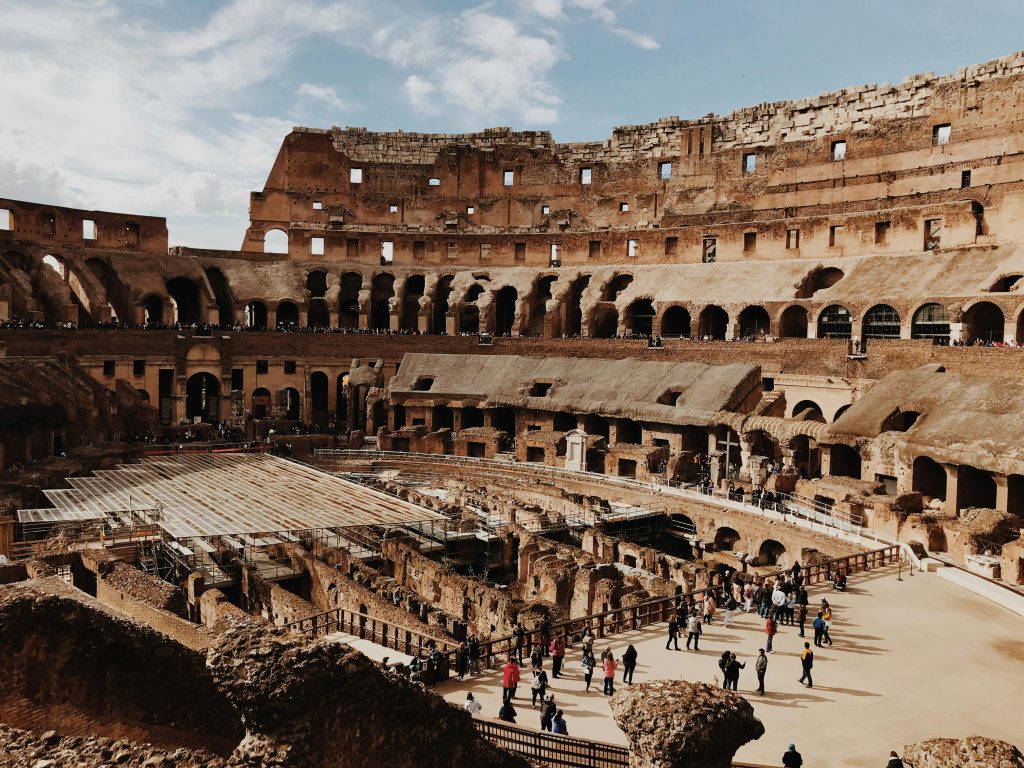
The Colosseum, also known as the Flavian Amphitheatre, is one of the most iconic symbols of Ancient Rome and a testament to the architectural and engineering prowess of the Roman Empire. Constructed between 70-80 AD, this grand structure was primarily used for gladiatorial contests, public spectacles, and various forms of entertainment that captivated the Roman populace. As one of the most visited historical travel destinations, the Colosseum offers a fascinating glimpse into the grandeur of Ancient Rome and the complex social dynamics of its time..
With a capacity to hold approximately 50,000 to 80,000 spectators, the Colosseum was the largest amphitheater of its time. Its elliptical shape, measuring about 189 meters long and 156 meters wide, showcases the ingenuity of Roman construction techniques. The arena featured a complex system of vaults and arches, which not only supported the massive structure but also allowed for efficient crowd management and access. As one of the most remarkable historical travel destinations, the Colosseum is a prime example of Ancient Roman architecture and remains a testament to the empire’s engineering mastery.
Beyond its architectural significance, the Colosseum holds deep cultural and historical importance. It stands as a reminder of the social dynamics of ancient Rome, where the elite and the common people gathered to witness the grandeur of gladiatorial games and other public events. The Colosseum has endured centuries of wear and tear, yet it continues to attract millions of visitors each year, making it one of the most visited historical travel destinations in the world. Its lasting presence offers a fascinating glimpse into the life and values of Ancient Rome.
Tips for Visiting and Exploring
When planning your visit to the Colosseum, consider the following tips to enhance your experience:
- Book Tickets in Advance: To avoid long queues, it’s advisable to purchase your tickets online ahead of time. This not only saves you time but also ensures you secure your preferred time slot.
- Choose a Guided Tour: Opting for a guided tour can provide you with in-depth knowledge about the history and architecture of the Colosseum. Many tours also include access to the Roman Forum and Palatine Hill, enriching your understanding of ancient Rome.
- Visit Early or Late: To experience the Colosseum with fewer crowds, consider visiting early in the morning or later in the afternoon. This allows for a more intimate exploration of the site.
- Wear Comfortable Shoes: The terrain around the Colosseum can be uneven, and you’ll likely be walking a lot. Comfortable footwear is essential for a pleasant visit.
- Stay Hydrated: Rome can get quite hot, especially in the summer months. Make sure to carry water with you to stay hydrated during your exploration.
As you wander through the ancient corridors and imagine the roaring crowds of the past, take a moment to appreciate the intricate details of the structure, from the grand arches to the remnants of the original marble façade. The Colosseum is not just a monument; it is a portal to a time when Rome was at the height of its power and influence. Visiting this historical site offers a unique glimpse into Ancient Rome’s rich legacy, making it a must-see among historical travel destinations around the world.
Best Times to Visit
The best times to visit the Colosseum, one of the most remarkable historical travel destinations, are during the shoulder seasons of spring (April to June) and fall (September to October). During these months, the weather is generally mild, and the crowds are more manageable compared to the peak summer season. Additionally, visiting during these times allows you to enjoy the beauty of Rome without the sweltering heat or overwhelming tourist traffic.

Conclusion
The Colosseum is more than just a historical site; it is a symbol of the enduring legacy of ancient Rome. As one of the most significant historical travel destinations, whether you are fascinated by history, architecture, or simply wish to experience one of the world’s most remarkable landmarks, the Colosseum promises an unforgettable journey into the past. By planning your visit thoughtfully and taking advantage of guided tours, you can fully immerse yourself in the rich tapestry of stories that this magnificent structure has to offer.
5. The Taj Mahal, India
A Testament to Love

The Taj Mahal, an exquisite symbol of love and devotion, is located in Agra, India. This stunning mausoleum was commissioned by Mughal Emperor Shah Jahan in memory of his beloved wife, Mumtaz Mahal, who passed away during childbirth. Construction began in 1632 and took approximately 22 years to complete, employing thousands of artisans and craftsmen from across the empire. The result is a masterpiece of Mughal architecture, combining elements from Persian, Islamic, and Indian styles. As one of the most iconic historical travel destinations, the Taj Mahal attracts millions of visitors each year, eager to witness its breathtaking beauty and learn about its profound significance.
The Taj Mahal is primarily made of white marble, which reflects different hues throughout the day, creating an ethereal beauty that captivates millions of visitors each year. The intricate inlay work, featuring semi-precious stones like lapis lazuli and jade, adds to its grandeur. The central dome rises majestically to about 240 feet, surrounded by lush gardens, reflecting pools, and impressive gateways, making it a perfect representation of the love story it embodies. As one of the most renowned historical travel destinations in the world, the Taj Mahal continues to inspire awe and admiration, drawing travelers from every corner of the globe.
Best Times to Visit
When planning a visit to the Taj Mahal, timing can significantly enhance your experience. Here are some recommendations:

- Winter Months (October to March): This is the peak tourist season in India, and for good reason. The weather is pleasantly cool, making it ideal for exploring the site without the sweltering heat. Early mornings or late afternoons are particularly magical, as the soft light casts a beautiful glow on the marble.
- Full Moon Nights: For a truly enchanting experience, consider visiting during a full moon night. The Taj Mahal is open for night viewing on specific days, allowing visitors to witness the monument bathed in moonlight, creating a surreal and romantic atmosphere.
- Monsoon Season (June to September): While the rains can be heavy, visiting during this time can offer a unique perspective. The gardens are lush and vibrant, and the fewer crowds allow for a more intimate experience. However, be prepared for occasional downpours.
Regardless of when you choose to visit, the Taj Mahal remains a breathtaking testament to love and artistry, inviting travelers from around the globe to witness its beauty and history.
6. Stonehenge, England
Mysteries of the Ancient Stones

Stonehenge, one of the most famous prehistoric monuments in the world, is located on the Salisbury Plain in Wiltshire, England. This iconic structure consists of a ring of standing stones, each around 13 feet high, seven feet wide, and weighing approximately 25 tons. The origins and purpose of Stonehenge have puzzled historians, archaeologists, and visitors alike for centuries, making it one of the most intriguing historical travel destinations in the world.
Dating back to around 3000 BC to 2000 BC, Stonehenge is believed to have been constructed in several phases. Its purpose remains a topic of debate, with theories ranging from a ceremonial site, an astronomical observatory, to a burial ground. The alignment of the stones with the movements of the sun, particularly during the summer and winter solstices, suggests that it may have played a significant role in ancient rituals and celebrations, making Stonehenge one of the most captivating historical travel destinations for those interested in prehistoric mysteries.
Visitors to Stonehenge often find themselves captivated by the sheer scale and mystery of the site. The massive stones, some sourced from as far away as Wales, raise questions about the methods used by ancient peoples to transport and erect them. The surrounding landscape, dotted with burial mounds and other Neolithic structures, adds to the intrigue, making it a rich area for exploration and one of the most fascinating historical travel destinations for those keen on uncovering the secrets of ancient civilizations.
Visiting Tips and Insights
If you’re planning a visit to Stonehenge, here are some essential tips to enhance your experience:

- Book in Advance: Stonehenge is a popular destination, so it’s advisable to book your tickets online ahead of time. This will help you avoid long queues and ensure you have a spot for your preferred time slot.
- Consider a Guided Tour: Joining a guided tour can provide deeper insights into the history and significance of Stonehenge. Knowledgeable guides can share fascinating stories and facts that you might miss on your own.
- Visit During Off-Peak Hours: To enjoy a more serene experience, try to visit early in the morning or later in the afternoon. This will allow you to appreciate the site with fewer crowds.
- Explore the Visitor Centre: Before heading to the stones, take some time to explore the Stonehenge Visitor Centre. It features exhibitions, a café, and a gift shop, providing context and background about the site.
- Dress Appropriately: The weather in England can be unpredictable. Wear comfortable shoes and dress in layers, as you may be walking around the site for an extended period.
- Capture the Moment: Don’t forget your camera! Stonehenge offers stunning photo opportunities, especially during sunrise and sunset when the light casts a magical glow on the stones.
Whether you’re drawn by the allure of ancient mysteries or simply looking for a unique travel experience, Stonehenge is a destination that promises to leave a lasting impression. With its rich history and breathtaking landscape, it stands as a testament to human ingenuity and the enduring quest for understanding our past, making it one of the most remarkable historical travel destinations in the world.
Conclusion
Stonehenge is not just a collection of stones; it is a symbol of the ancient world, inviting visitors to ponder the lives of those who came before us. As you walk among these monumental stones, take a moment to reflect on the mysteries they hold and the stories they could tell. This remarkable site is a must-visit for anyone interested in history, archaeology, or simply the wonders of our world, making it one of the top historical travel destinations.
7. Petra, Jordan
The Rose City and Its History

Petra, often referred to as the “Rose City” due to the stunning color of its sandstone cliffs, is one of the most remarkable archaeological sites in the world. As one of the most significant historical travel destinations, this ancient city, carved into the rock by the Nabataeans over 2,000 years ago, served as a vital trading hub that connected the East and West. Its strategic location allowed it to flourish as a center for commerce, culture, and innovation.
Designated as a UNESCO World Heritage Site in 1985, Petra is not only a testament to the ingenuity of the Nabataeans but also a symbol of Jordan’s rich historical tapestry. As one of the top historical travel destinations, the city remained largely unknown to the Western world until its rediscovery by Swiss explorer Johann Ludwig Burckhardt in 1812. Today, it attracts millions of visitors each year, eager to witness its breathtaking architecture and learn about its storied past.
Exploring the Siq and Treasury

The journey into Petra begins with the Siq, a narrow gorge that serves as the main entrance to the city. This winding path, flanked by towering cliffs that rise over 80 meters high, is an experience in itself. As you walk through the Siq, take a moment to appreciate the intricate carvings and ancient water channels that showcase the advanced engineering skills of the Nabataeans. As one of the most remarkable historical travel destinations, Petra offers a glimpse into a past that continues to captivate travelers from around the world.
At the end of the Siq, visitors are greeted by one of the most iconic sights in the world: the Treasury, or Al-Khazneh. This magnificent structure, carved directly into the rock face, stands at an impressive 40 meters tall and is adorned with elaborate sculptures and intricate details. The Treasury is believed to have been a royal tomb, but its exact purpose remains a mystery. As one of the most awe-inspiring historical travel destinations, the Treasury in Petra continues to intrigue visitors with its stunning beauty and enigmatic past.
Visiting Tips
- Best Time to Visit: The ideal time to explore Petra is during the spring (March to May) and fall (September to November) when temperatures are mild and the weather is pleasant.
- Wear Comfortable Shoes: The terrain can be uneven, so sturdy walking shoes are essential for navigating the site.
- Stay Hydrated: Bring plenty of water, as exploring Petra can take several hours, and the sun can be intense.
- Guided Tours: Consider hiring a local guide to enrich your experience with stories and insights about Petra’s history.

Conclusion
Petra is more than just a historical site; it is a journey through time that allows visitors to connect with the ancient world. From the awe-inspiring Siq to the grandeur of the Treasury, every corner of this remarkable city tells a story of human ingenuity and resilience. Whether you’re a history enthusiast or simply seeking adventure, a visit to Petra, one of the most captivating historical travel destinations, promises to be a memorable experience that will leave you in awe of its beauty and significance.
8. The Acropolis, Greece
Ancient Greek Civilization

The Acropolis of Athens is not just a monument; it is a symbol of the enduring legacy of ancient Greek civilization and one of the world’s most renowned historical travel destinations. Perched on a rocky outcrop above the city, the Acropolis is home to several significant structures, the most famous being the Parthenon. This ancient citadel has stood for over 2,400 years, representing the pinnacle of classical architecture and the cultural achievements of the Athenian city-state.
The term “Acropolis” itself means “high city” in Greek, and it served as a religious center dedicated to Athena, the goddess of wisdom and warfare. As one of the most important historical travel destinations, the site is a UNESCO World Heritage Site and attracts millions of visitors each year, eager to explore its rich history and stunning architecture.
During its heyday in the 5th century BC, the Acropolis was the heart of Athenian democracy and culture. As one of the most significant historical travel destinations, it was here that philosophers, artists, and architects flourished, laying the groundwork for Western civilization. The structures on the Acropolis, including the Erechtheion and the Temple of Athena Nike, showcase the incredible skill of ancient Greek builders and their devotion to their gods.
Visiting the Parthenon
When planning a visit to the Acropolis, the Parthenon is undoubtedly the highlight. As one of the most celebrated historical travel destinations, this magnificent temple was constructed between 447 and 432 BC and was dedicated to Athena Parthenos, the virgin goddess of wisdom. The Parthenon is renowned for its stunning Doric columns and intricate sculptures, which depict various mythological scenes.

- Best Time to Visit: The ideal time to visit the Acropolis is during the spring (April to June) and fall (September to October) when the weather is mild, and the crowds are smaller.
- Opening Hours: The Acropolis is open year-round, but hours may vary by season. It’s advisable to check the official website before your visit.
- Tickets: Tickets can be purchased online or at the entrance. Consider buying a combined ticket that includes access to other archaeological sites in Athens.
- Guided Tours: For a more enriching experience, consider joining a guided tour. Knowledgeable guides can provide fascinating insights into the history and significance of the site.
As you ascend the steps leading to the Parthenon, take a moment to appreciate the breathtaking views of Athens below. The contrast between the ancient ruins and the modern city creates a unique atmosphere that transports you back in time, making the Acropolis one of the most captivating historical travel destinations..
As you ascend the steps leading to the Parthenon, take a moment to appreciate the breathtaking views of Athens below. The contrast between the ancient ruins and the modern city creates a unique atmosphere that transports you back in time, making the Acropolis one of the most captivating historical travel destinations in the world.
Conclusion
The Acropolis is more than just a historical site; it is a testament to the ingenuity and creativity of ancient Greek civilization. Visiting this iconic landmark, one of the world’s most celebrated historical travel destinations, allows you to walk in the footsteps of philosophers and artists, experiencing firsthand the beauty and grandeur of a bygone era. Whether you are an avid history enthusiast or simply looking to soak in the culture, the Acropolis promises an unforgettable journey through time.
9. Angkor Wat, Cambodia
A Marvel of Khmer Architecture

Angkor Wat is not just a temple; it is a symbol of Cambodia’s rich history and cultural heritage. Built in the early 12th century during the reign of King Suryavarman II, this magnificent structure was originally constructed as a Hindu temple dedicated to the god Vishnu. Over the centuries, it has transformed into a Buddhist temple, reflecting the dynamic spiritual evolution of the region and solidifying its place among the world’s most awe-inspiring historical travel destinations.
The sheer scale and intricate design of Angkor Wat make it one of the largest religious monuments in the world. Spanning over 162.6 hectares (402 acres), the temple complex is renowned for its stunning architecture, which features a series of towering spires that represent Mount Meru, the center of the universe in Hindu and Buddhist cosmology. The walls of Angkor Wat are adorned with detailed bas-reliefs and carvings that depict various mythological scenes, historical events, and daily life during the Khmer Empire making it one of the most fascinating historical travel destinations in Southeast Asia
Visitors to Angkor Wat will be captivated by the harmonious blend of art and architecture. The temple’s layout is a perfect representation of the Khmer architectural style, characterized by its grand scale, symmetry, and the use of sandstone blocks. The central tower rises majestically above the surrounding structures, symbolizing the connection between heaven and earth. As you walk through the temple grounds, take a moment to appreciate the meticulous craftsmanship that has withstood the test of time, solidifying Angkor Wat’s place among the world’s most iconic historical travel destinations.
Best Time to Visit and Explore
When planning your visit to Angkor Wat, timing is crucial to ensure a pleasant experience. The best time to explore this historical gem one of the world’s most revered historical travel destinations—is during the dry season, which typically runs from November to February. During these months, the weather is cooler and less humid, making it ideal for walking around the expansive temple complex.

Here are some tips to enhance your visit:
- Early Morning Visits: Arriving at Angkor Wat before sunrise allows you to witness the breathtaking sight of the sun rising behind the temple. This magical moment is a photographer’s dream and offers a serene atmosphere before the crowds arrive.
- Dress Appropriately: As a religious site, it is important to dress modestly. Ensure your shoulders and knees are covered to show respect for the local customs.
- Stay Hydrated: Exploring Angkor Wat can be physically demanding due to the heat and humidity. Carry water with you to stay hydrated throughout your visit.
- Guided Tours: Consider joining a guided tour to gain deeper insights into the history and significance of the temple. Knowledgeable guides can provide context that enriches your experience.
In conclusion, Angkor Wat is a must-visit destination for anyone interested in history, architecture, or culture. As one of the world’s most iconic historical travel destinations, its grandeur and historical significance make it a remarkable place to explore and appreciate the ingenuity of the Khmer Empire. Whether you are wandering through its ancient halls or admiring the intricate carvings, Angkor Wat promises an unforgettable journey into the past.
Conclusion: Practical Tips for Historical Travelers
Planning Your Itinerary
When embarking on a journey to explore historical travel destinations, careful planning can enhance your experience significantly. Here are some practical tips to consider while crafting your itinerary:
- Research Each Destination: Before you set off, take the time to learn about each historical site. Understanding its background, significance, and any notable events associated with it can deepen your appreciation during your visit.
- Check Opening Hours: Many historical travel destinations have specific visiting hours and may be closed on certain days. Always verify this information in advance to avoid disappointment..
- Book Tickets in Advance: For popular historical travel destinations, booking tickets ahead of time can save you from long queues and ensure your entry. Some sites even offer guided tours that can provide additional insights.
- Consider Guided Tours: If you want to delve deeper into the history of a location, consider joining a guided tour. Knowledgeable guides can share fascinating stories and facts that you might miss on your own, especially at historical travel destinations
- Allocate Enough Time: Historical travel destinations often have a wealth of information and sights to explore. Make sure to allocate sufficient time for each visit, allowing yourself to soak in the atmosphere and learn at your own pace.
Respecting Cultural Heritage
As you travel to these remarkable historical travel destinations, it’s essential to approach them with respect and mindfulness. Here are some key points to keep in mind:
- Follow Local Guidelines: Each destination may have specific rules regarding photography, touching artifacts, or entering certain areas. Always adhere to these guidelines to preserve the integrity of the site.
- Be Mindful of Local Customs: Different cultures have unique traditions and customs. Familiarize yourself with these practices to ensure you are respectful while visiting historical travel destinations.
- Support Local Communities: Whenever possible, purchase souvenirs from local artisans or dine at local restaurants. This not only enriches your experience but also supports the communities that maintain these historical travel destinations.
- Leave No Trace: Be conscious of your environmental impact. Always clean up after yourself and avoid littering to help preserve the beauty of these historical travel destinations for future visitors.
- Engage with the History: Take the time to engage with the stories and histories of the historical travel destinations you visit. This can be through reading informational plaques, participating in workshops, or simply asking questions of local guides.
If you’re passionate about exploring historical travel destinations, don’t miss the opportunity to dive deeper into the UNESCO World Heritage list. This official resource highlights some of the most culturally and historically significant sites around the globe, offering endless inspiration for your next adventure.
By following these practical tips, you can ensure that your travels to historical travel destinations are not only enjoyable but also respectful and enriching. Embrace the opportunity to learn and connect with the past as you explore the world’s most iconic historical sites.
If you’re a budget traveler and love history, you might also be interested in “8 Best Backpacking Destinations for Budget Travelers.” This guide offers affordable travel options to explore some of the world’s most iconic historical travel destinations while sticking to your budget. Discover how you can experience ancient wonders and timeless landmarks without breaking the bank. Safe Travels!