
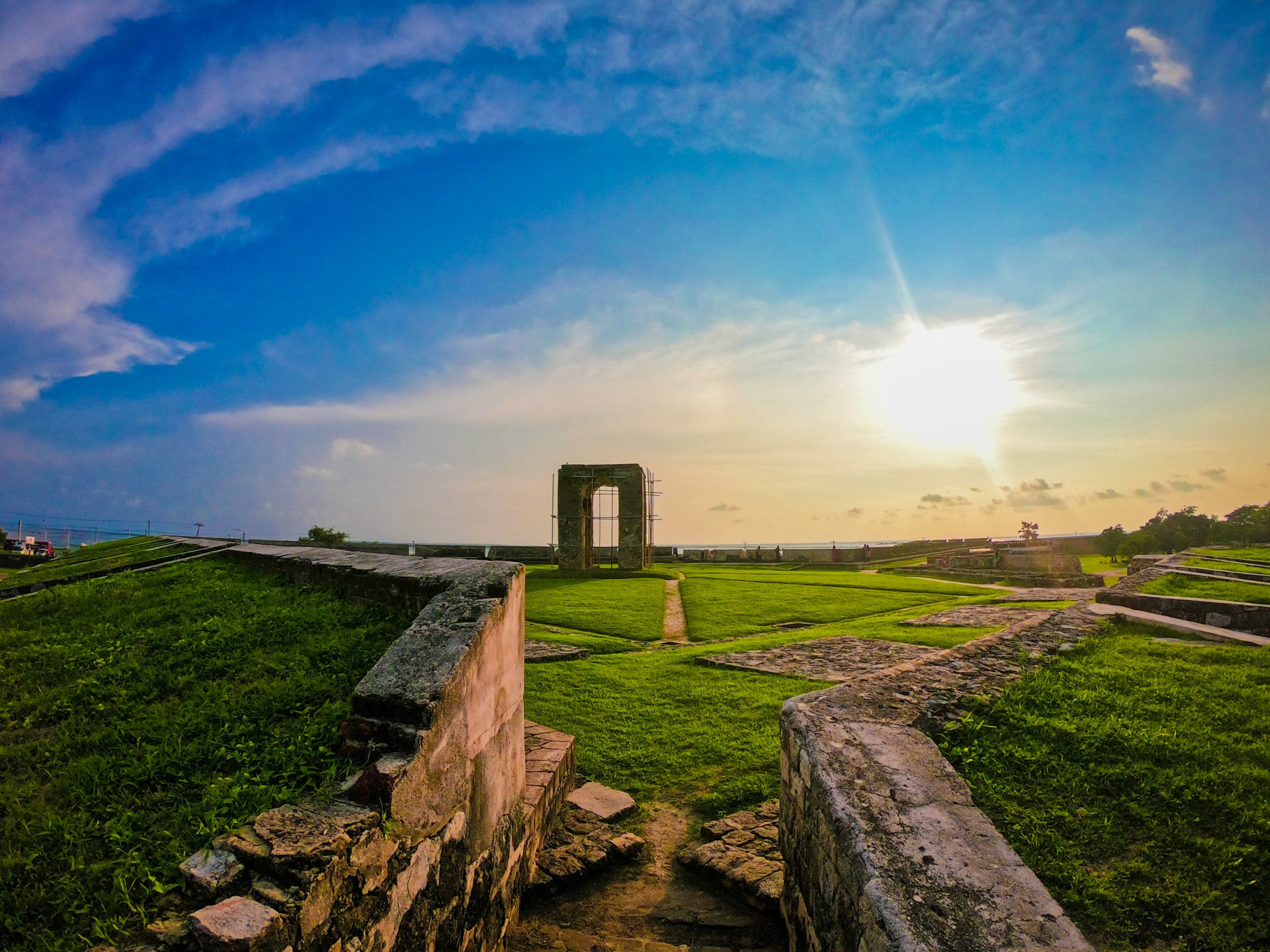
Discover the Untamed Beauty of North Sri Lanka
North Sri Lanka offers an entirely different experience from the island’s well-traveled southern and central regions. This vast, windswept land, home to the northern province in Sri Lanka, invites travelers to engage with an authentic, lesser-known side of the country. Here, cultural resilience, spiritual devotion, and raw landscapes replace tourist crowds and luxury resorts.
While southern beaches and the central highlands often take the spotlight, northern Sri Lanka holds treasures shaped by ancient Tamil kingdoms, colonial legacies, and decades of perseverance. Temples whisper stories in carved stone, coastal forts overlook quiet lagoons, and island communities share traditions unchanged for generations.
Travel to North Sri Lanka now is not just possible, it’s deeply rewarding. Road connections have improved, heritage sites have been restored, and locals welcome curious visitors with open hearts. The result? A region that feels untouched yet profoundly layered in history and meaning.
This guide reveals ten unforgettable things to do in North Sri Lanka, each offering more than scenery. These are experiences rooted in place, shaped by time, and filled with the kind of depth that transforms travel. For those ready to step off the typical route, this journey will linger long after the return.
1. Explore the Jaffna Peninsula: Cultural Heart of North Sri Lanka
The Jaffna Peninsula stands as the cultural and spiritual center of North Sri Lanka. Located at the island’s northern tip, this region blends Tamil heritage, colonial history, and post-conflict resilience into one powerful destination. For anyone seeking meaningful travel, this is where the journey into the northern province in Sri Lanka truly begins.

Walking through Jaffna town reveals layers of tradition and pride. From golden temple towers to aged Dutch forts, each site tells a unique story. The rhythm of daily life here is slower, shaped by family-owned shops, vibrant markets, and seasonal festivals that draw pilgrims from across the region.
Must-See Highlights in Jaffna
| Place | What to Expect |
| Nallur Kandaswamy Temple | Ornate Hindu temple, known for rituals and colorful festivals |
| Jaffna Public Library | Restored symbol of cultural resilience and history |
| Jaffna Fort | Dutch-era stronghold with panoramic views of the coastline |
| Local Markets | Authentic Tamil snacks, spices, and handcrafted goods |
For food lovers, the local crab curry ranks among the most memorable things to do in North Sri Lanka. Served with spicy gravy and string hoppers, it represents Jaffna’s culinary heritage in every bite.
Though less developed than southern cities, Jaffna’s character, warmth, and heritage offer a powerful start for those planning to travel to North Sri Lanka.
2. Visit Delft Island: Wild Beauty in Northern Sri Lanka
Off the coast of the Jaffna Peninsula lies Delft Island, a remote and windswept land shaped by coral, salt, and centuries of isolation. Known locally as Neduntheevu, this island offers one of the most adventurous and surreal things to do in North Sri Lanka. Wide open plains, ancient ruins, and untamed horses paint a picture of stark beauty and historical mystery.
The island’s history stretches back to ancient Dravidian times and later witnessed colonial powers, from the Portuguese to the Dutch, leaving behind forts, stones, and churches now slowly claimed by nature. The quiet atmosphere and scattered settlements create a feeling of stepping into another time.
Highlights of Delft Island
- Delft Fort: Coral stone walls built by the Portuguese, expanded by the Dutch
- Baobab Tree: A centuries-old tree with African origins, planted by early traders
- Wild Horses: Descendants of colonial cavalry, now roaming freely
- Giant Footprint: Local legend ties it to Hindu mythology
- Pigeon Nesting Tower: Unique stone structure used for message delivery
Although ferry services are limited, reaching Delft is part of the adventure. A trip to this island offers raw exposure to the landscape and forgotten history of the northern province in Sri Lanka. For explorers seeking solitude and heritage, few places rival its charm.
3. Discover Keerimalai Sacred Springs: Spiritual Healing in North Sri Lanka
Tucked along the northern coastline, Keerimalai Sacred Springs offer both spiritual significance and natural beauty. This revered site lies just a short drive from Jaffna town, making it one of the most accessible and meaningful things to do in North Sri Lanka.
The springs emerge at the base of a rock cliff near the sea, and their waters are believed to possess healing properties. For generations, local residents and Hindu pilgrims have visited Keerimalai to cleanse ailments, both physical and spiritual. The springs feed into a public bathing pool that sits just steps from the Indian Ocean, creating a rare blend of ritual and nature.
What Makes Keerimalai Special
- Mythical Origins: Local legends say a sage once restored his face here after being cursed with deformity
- Gender-Specific Pools: Separate areas for men and women, honoring tradition and modesty
- Oceanfront Setting: The sea breeze and sacred water combine to create a serene atmosphere
- Keerimalai Naguleswaram Temple: One of the five ancient Hindu temples dedicated to Lord Shiva in the northern province in Sri Lanka
While less visited than other coastal attractions, Keerimalai offers a quiet escape into Tamil spiritual life. Combined with the nearby Naguleswaram Temple, the springs form a powerful site that connects water, faith, and centuries of belief.
For travelers seeking cultural depth in northern Sri Lanka, Keerimalai delivers a calm yet unforgettable experience.
4. Marvel at Kadurugoda Temple Ruins: Ancient Echoes of North Sri Lanka
Hidden within a quiet neighborhood of Chunnakam, the Kadurugoda Temple Ruins present an unexpected journey into the ancient Buddhist heritage of northern Sri Lanka. Surrounded by tamarind trees and hushed village roads, this sacred site features over 60 small gray stone stupas, each whispering stories of a time when Buddhism flourished in the northern province in Sri Lanka.
These semi-spherical stupas differ from their southern counterparts in both style and size, offering unique insight into regional adaptations of Buddhist architecture. Archaeological studies date the site to the Anuradhapura period, suggesting that Kadurugoda once played a vital role in spiritual and scholarly life.
What to Expect at Kadurugoda Ruins
- Stone Stupas: Dozens of dome-shaped structures made from coral stone
- Peaceful Setting: Located in a residential area, far from tourist crowds
- Minimalist Design: Distinct from the ornate temples of the south
- Signage and Information: Basic but informative, offering historical context
Although this site receives fewer visitors, it remains one of the most thought-provoking things to do in North Sri Lanka. The peaceful grounds and weathered stones provide a rare space for quiet reflection and historical curiosity.
Kadurugoda serves as a reminder of the religious diversity that once thrived across the island. For those who travel to North Sri Lanka in search of layered stories, this site offers one of the oldest chapters.
5. Take a Scenic Boat Ride on Iranamadu Tank: Nature and History in North Sri Lanka
Set in the heart of the Kilinochchi District, Iranamadu Tank offers one of the most serene and unexpected things to do in North Sri Lanka. Originally built for agricultural irrigation, this vast reservoir has become a local hub for fishing, birdwatching, and quiet exploration. Its peaceful waters reflect both the resilience and natural beauty of the northern province in Sri Lanka.
Spanning more than 20 square kilometers, the tank was a vital water source during the island’s civil conflict. Today, it stands as a symbol of regeneration and peace. A scenic boat ride across its calm surface reveals not only an expansive landscape but also subtle signs of rural life returning to normal.
Why Iranamadu Tank is Worth Visiting
- Stunning Sunsets: The water mirrors orange skies at dusk, ideal for photography
- Birdlife: Spot herons, egrets, and kingfishers along the water’s edge
- Local Interaction: Fishermen and farmers often welcome friendly conversation
- Cultural Context: Learn how this reservoir supported life through decades of tension
While rarely found in mainstream travel brochures, Iranamadu provides an off-grid glimpse into the northern Sri Lanka experience. It’s a perfect detour for travelers who value slow travel and authentic landscapes over commercial crowds.
Add this stop when planning to travel to North Sri Lanka, especially when moving between Jaffna and Mullaitivu. The journey and the views are well worth the time.
6. Witness the Ruins of Mullaitivu Fort: Silent Sentinel of Northern Sri Lanka’s Past
Perched near the edge of the northeastern coastline, Mullaitivu Fort stands as a weathered reminder of the colonial conflicts that shaped North Sri Lanka. Built by the Dutch in the 18th century, this compact coastal structure once guarded a key access point along the Indian Ocean. Today, its ruins offer a quiet, wind-swept vantage point for those exploring the northern province in Sri Lanka.
Though partially destroyed during the island’s internal struggles, parts of the fort’s outer walls remain intact. With the ocean on one side and untamed forest on the other, the site feels both abandoned and alive—making it one of the most atmospheric things to do in North Sri Lanka for history lovers and photographers.
What to See at Mullaitivu Fort
- Stone Fortifications: Crumbling yet sturdy remnants of colonial architecture
- Ocean Views: A direct look at the northeast coast’s unspoiled beauty
- Minimal Crowds: Ideal for reflection and undisturbed exploration
- Nearby Sites: Combine with visits to local beaches or war memorials
Mullaitivu Fort may not offer guided tours or polished plaques, but its silence speaks volumes. It provides a raw and honest lens into northern Sri Lanka’s layered history, one shaped by trade, war, and endurance.
For those who travel to North Sri Lanka with curiosity and respect, the ruins offer a rare kind of solitude and connection.
7. Visit the Iconic Dambakola Patuna Temple: Ancient Seaside Spirituality in North Sri Lanka
Situated along the quiet northern coast, Dambakola Patuna Temple is a revered Buddhist site with deep historical roots. This sacred location marks the landing point of Sanghamitta Theri, who brought a sapling of the Bodhi tree from India to Sri Lanka over 2,000 years ago. As a result, Dambakola Patuna holds immense religious and cultural value within North Sri Lanka.
Unlike the more ornate temples found in the south, this site emphasizes simplicity. Set against a backdrop of crashing waves and salt-laden air, the temple invites peaceful reflection rather than grandeur. White stupas, stone statues, and palm-fringed paths guide visitors through the space.
Highlights of Dambakola Patuna Temple
- Spiritual Significance: One of the earliest Buddhist touchpoints in the country
- Seaside Setting: Offers a rare combination of coastline and temple calm
- Low Tourist Footprint: Maintains a humble, authentic atmosphere
- Easy Access: Located just 20 km from Jaffna town
Although often overlooked, this temple represents one of the most meaningful things to do in North Sri Lanka. It serves as a quiet testament to the island’s spiritual journey and its long-standing ties with Buddhist India.
For cultural travelers moving through the northern province in Sri Lanka, a stop here provides both serenity and insight. The soft winds, gentle waves, and spiritual energy make this one of the region’s most meditative spaces.
8. Experience Life on Karainagar Island: Coastal Simplicity in North Sri Lanka
Karainagar Island offers a serene escape into rural island life, far removed from the typical tourist paths. Located northwest of Jaffna and connected by a narrow causeway, this tranquil island brings together palm-lined beaches, quiet fishing villages, and a pace of life that hasn’t changed in decades. It stands out as one of the most peaceful things to do in North Sri Lanka.
Karainagar’s shoreline is home to Casuarina Beach, one of the cleanest and calmest beaches in the northern province in Sri Lanka. Shallow waters stretch far from the shore, making it ideal for safe swimming, picnics, and sunset walks. The area is rarely crowded, adding to its off-grid charm.
Highlights of Karainagar Island
- Casuarina Beach: White sands, gentle surf, and clear water
- Local Fishing Villages: Observe traditional lifestyles and boat craftsmanship
- Bike-Friendly Roads: Explore the island at a slow, scenic pace
- Minimal Development: Natural landscapes with little modern interference
For those who travel to North Sri Lanka seeking calm and coastal beauty, Karainagar delivers both. The island encourages slow travel, where watching waves, speaking with fishermen, and exploring quiet lanes become the highlights.
While other destinations in northern Sri Lanka showcase temples or forts, Karainagar offers something different: stillness, simplicity, and soul-refreshing scenery.
9. Attend a Traditional Temple Festival: Vibrant Rituals of Northern Sri Lanka
Among the most immersive things to do in North Sri Lanka is attending a traditional Hindu temple festival. These vibrant celebrations are central to the spiritual and social life of the northern province in Sri Lanka, where Tamil heritage takes center stage. With drumming, firewalking, and colorful chariots, each event bursts with energy and deep devotion.

Most festivals are held at iconic temples such as Nallur Kandaswamy Kovil, Maviddapuram Kandaswamy Temple, and other village shrines. Held annually, they draw thousands of devotees from across northern Sri Lanka. Tourists are welcome, though respectful observation is essential.
What to Expect During a Temple Festival
- Processions: Elaborate chariot parades accompanied by rhythmic drums and chanting
- Rituals: Piercings, firewalking, and ceremonial offerings by devotees
- Decorations: Temples adorned with colorful banners, flowers, and oil lamps
- Community Feasts: Free vegetarian meals served to all attendees
These festivals often last several days, with each phase honoring different deities and traditions. While the rituals may appear intense, they offer a profound look into local belief systems and communal values.
To truly experience the cultural depth of travel to North Sri Lanka, witnessing one of these festivals is essential. The atmosphere is electric, the traditions are ancient, and the memories will linger long after the drums fall silent.
10. Explore the Kantharodai Buddhist Site: Forgotten Heritage of North Sri Lanka
Located just outside of Jaffna, the Kantharodai Buddhist Site presents a quiet but powerful reminder of the region’s layered religious history. Though the northern province in Sri Lanka is now predominantly Hindu, this ancient site reflects a time when Buddhism thrived in northern Sri Lanka.
The site features a collection of over 20 small, stone stupas, circular structures used to house sacred relics. Their uniform design and muted grey color give the area a somber yet intriguing feel. Set within a walled garden and shaded by trees, the site invites silent reflection more than sightseeing.
Key Details About the Kantharodai Site
- Historical Significance: Thought to date back to the Anuradhapura era
- Unique Architecture: Coral-stone stupas, distinct from those found in the south
- Uncrowded Location: Often overlooked, providing peaceful exploration
- Cultural Contrast: A rare example of Buddhist heritage in a largely Tamil-Hindu region
Although small in scale, Kantharodai serves as one of the most spiritually interesting things to do in North Sri Lanka. The silence of the stupas contrasts with the vibrant energy of Hindu temples nearby, offering a glimpse into the island’s multicultural past.
For those who travel to North Sri Lanka with a love for ancient history, this is a stop not to miss. It completes the region’s story, one built on diversity, transition, and enduring spiritual identity.
Travel Tips for North Sri Lanka: Prepare for a Smooth Cultural Adventure
Traveling through North Sri Lanka offers unforgettable moments, but thoughtful planning ensures the journey unfolds smoothly. As infrastructure in the northern province in Sri Lanka continues to develop, small preparations can make a big difference. From packing essentials to understanding local customs, these travel tips help visitors enjoy the region with ease and respect.
Essential Tips for Travel to North Sri Lanka
- Pack Light, but Smart: Loose, breathable clothing is ideal for the region’s hot and dry climate. Include modest attire for temple visits.
- Stay Hydrated and Sun-Safe: Northern Sri Lanka experiences strong sun and high humidity. Carry water, sunscreen, and a hat during day trips.
- Use Local SIM Cards: Mobile coverage is strong near towns like Jaffna. Pick up a local SIM for easy access to maps and translations.
- Respect Local Traditions: Temples require modest clothing and the removal of footwear. Avoid physical contact with religious objects.
- Learn a Few Tamil Phrases: While English is understood in towns, basic Tamil phrases help build quick rapport with locals.
- Plan for Limited Nightlife: Most areas in North Sri Lanka are quiet after dark. Plan meals and transportation in advance, especially in rural locations.
Traveling here means embracing simplicity, cultural etiquette, and slower rhythms. With the right mindset and preparation, the northern province in Sri Lanka reveals its full beauty in subtle, rewarding ways.
Transportation, Travel Durations & Restrictions in North Sri Lanka
Getting around North Sri Lanka requires a bit of planning, but the journey is often as memorable as the destination. With roads improving steadily and train routes expanding, travel to this region has become more accessible than ever. Still, it helps to understand transportation options, average travel times, and any regional travel considerations.
How to Reach the Northern Province in Sri Lanka
| Route | Mode of Transport | Average Duration | Notes |
| Colombo to Jaffna | Train | 6.5 – 8 hours | Scenic and affordable; advance booking advised |
| Colombo to Jaffna | Private car or taxi | 7 – 9 hours | Flexible but longer due to rest stops |
| Colombo to Jaffna | Domestic flight | 1 hour (to Palaly) | Fastest option; limited daily flights |
| Within Northern Sri Lanka | Bus or tuk-tuk | Varies by distance | Local buses connect towns; tuk-tuks are ideal for short trips |
| Jaffna to Delft Island | Public ferry | 1 – 1.5 hours | Departs from Kurikadduwan; morning schedules |
Current Travel Notes
- No permits required: As of recent updates, no travel permits are needed for foreign visitors entering northern Sri Lanka.
- Check ferry availability: Boat services to islands like Delft may be limited during off-peak months.
- Road conditions: Most major roads are paved, but rural areas may involve rough patches or limited signage.
For those planning to travel to North Sri Lanka, the key is flexibility. While the region welcomes more travelers each year, it retains its off-grid character. Public transport offers cultural immersion, while private transport ensures comfort and speed. Either way, getting there becomes part of the story.
Cultural Etiquette in Northern Sri Lanka: Respecting Traditions While Traveling
Understanding local customs enhances any visit to North Sri Lanka. The region’s strong Tamil identity and deeply rooted religious traditions shape daily life, especially in the northern province in Sri Lanka, where temples, family ties, and rituals remain central.
Cultural sensitivity not only builds respect but also opens doors to more meaningful interactions with residents. Whether visiting a sacred site or engaging with villagers, basic etiquette goes a long way in fostering connection.

Key Cultural Etiquette Tips for Travel to North Sri Lanka
- Dress Modestly: Shoulders and knees should be covered when entering temples or community spaces. Loose, breathable clothes are both respectful and practical.
- Temple Conduct: Remove shoes before entering. Avoid pointing feet at altars or statues. Photography may be restricted, so ask permission first.
- Use the Right Hand: The right hand is traditionally used for eating, offering gifts, or handing money.
- Greetings Matter: A slight head nod or the Tamil greeting “Vanakkam” shows respect and friendliness.
- Avoid Public Displays of Affection: Even in relaxed settings, displays of affection may be seen as disrespectful.
- Respect Religious Events: During temple festivals, observe quietly unless invited to participate. Rituals may appear intense, but they hold deep meaning.
Travelers who embrace local norms often find warmer welcomes and richer experiences. When exploring northern Sri Lanka, honoring these customs reflects genuine interest and care, traits valued across the region.
North Sri Lanka Awaits: Raw, Real, and Remarkable
North Sri Lanka offers more than scenic views or historical sites, it delivers meaningful moments shaped by culture, resilience, and authenticity. From sacred springs and island temples to vibrant festivals and quiet ruins, every experience in the northern province in Sri Lanka adds depth to the journey.
Travelers who step off the typical tourist trail and explore northern Sri Lanka find themselves immersed in living traditions, untouched coastlines, and communities eager to share their stories. Here, ancient paths and modern recovery meet, creating an atmosphere both humbling and inspiring.
As interest in the region grows, now is the time to plan and experience these unforgettable destinations firsthand. Pair your cultural exploration with beach breaks, wildlife safaris, or tea country escapes by checking out our guide to the 9 Best Sri Lanka Holidays for an Unforgettable Escape.
What stood out to you most?
Have you explored the things to do in North Sri Lanka, or is this your first look? Share your thoughts, personal tips, or travel dreams in the comments below.
If this post inspired you, spread the word, comment, share, and engage to help others uncover the rich stories waiting in the north.