

Why Planning a Trip to South Korea Is Worth It
Planning a trip to South Korea is not just exciting, it’s essential for making the most of your travel experience. With its fascinating blend of modern innovation and centuries-old traditions, South Korea offers travelers an unforgettable journey. Whether you’re drawn to Seoul’s buzzing streets or the peaceful beauty of Jeju Island, this country caters to a wide variety of interests.
This South Korea travel guide is designed to walk you through everything step by step. Instead of guessing how to plan a trip to South Korea, you’ll gain practical knowledge to do it right the first time.
Why South Korea Should Be on Your List
Here are a few compelling reasons why so many people are travelling to South Korea:
| Reason | Why It Matters |
|---|---|
| Culture & History | Ancient temples, palaces, and UNESCO sites |
| Modern Cities | Smart cities like Seoul blend tech with tradition |
| Food & Street Markets | Korean BBQ, kimchi, tteokbokki, and more |
| Natural Beauty | Mountains, islands, and coastal villages |
| Efficient Public Transport | Easy to explore with subways, buses, and KTX |
What You’ll Learn from This Guide
This guide will help you with:
- Choosing the right time to visit based on weather and festivals
- Budgeting wisely for South Korea travel
- Planning routes and must-see destinations
- Understanding public transport
- Navigating cultural norms and safety tips
With these tools, you’ll find that planning a trip to South Korea becomes a breeze. Let’s begin with one of the most important steps: picking the right time to go.
1. Choose the Best Time for Travelling to South Korea
Understand Seasons, Festivals, and Weather for Better Planning
When planning a trip to South Korea, timing is everything. Your travel experience will differ greatly depending on the season. Korea has four distinct seasons, each offering unique experiences, scenery, and cultural events. By understanding the best times to visit, you’ll ensure your itinerary matches your travel goals.

South Korea’s Seasons at a Glance
| Season | Months | Highlights | Best For |
|---|---|---|---|
| Spring | March – May | Cherry blossoms, warm weather | Sightseeing, festivals |
| Summer | June – August | Hot, humid, monsoon rains | Beaches, summer festivals |
| Autumn | September – November | Fall foliage, pleasant weather | Hiking, photography |
| Winter | December – February | Snowy landscapes, ski resorts | Winter sports, hot springs |
Best Times to Visit South Korea
- Late March to early May: Ideal for cherry blossoms and spring weather
- September to early November: Autumn colors, mild temperatures, and fewer tourists
- December to February: Great for snow activities in places like Gangwon Province
Tips for Seasonal Travel
- Avoid the monsoon season (late June to mid-July) if you dislike rain
- Summer is peak festival season, but it can be hot and crowded
- Winter travel is rewarding if you enjoy skiing or snowboarding
By planning your trip around the seasons and local events, you’ll enjoy a richer experience. Each season brings its own flavor to South Korea travel, so choose the one that best suits your interests.
2. Set a Realistic Budget When Planning a Trip to South Korea
Understand Costs Before You Travel
One of the most important steps in planning a trip to South Korea is creating a clear and realistic budget. A well-planned budget allows you to enjoy your trip without unnecessary financial stress. Costs in South Korea can range from affordable to high-end, depending on your travel style.
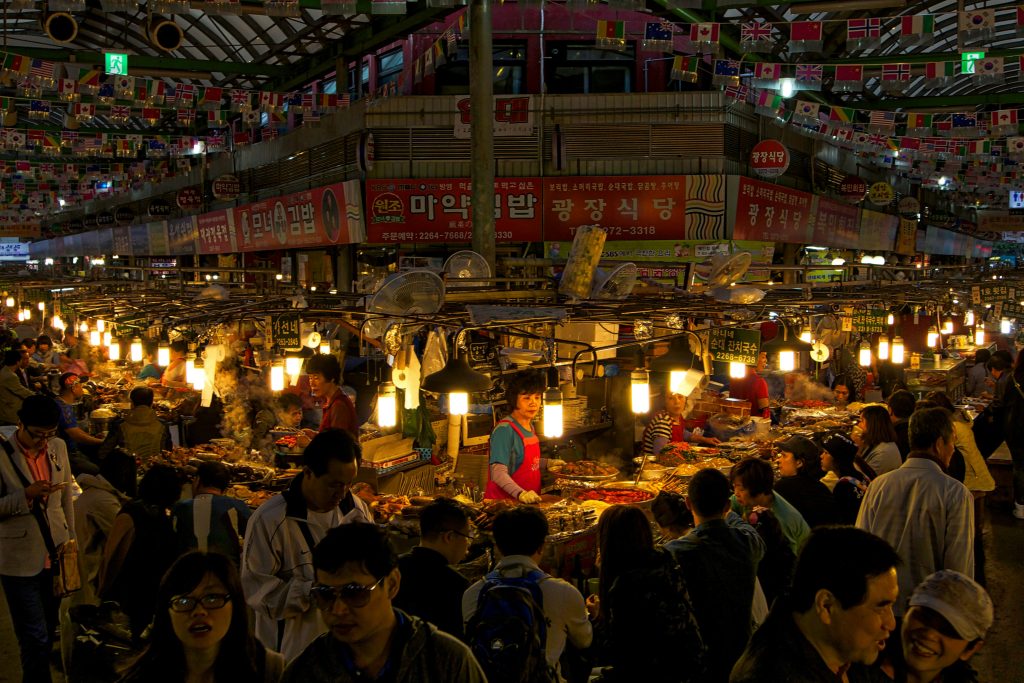
Average Daily Costs (in USD)
| Expense Category | Budget Traveler | Mid-Range Traveler | Luxury Traveler |
|---|---|---|---|
| Accommodation | $20–$40 | $60–$120 | $150+ |
| Food | $10–$20 | $25–$50 | $70+ |
| Transportation | $5–$15 | $15–$30 | $40+ |
| Attractions/Tickets | $5–$10 | $10–$25 | $50+ |
| Daily Total Estimate | $40–$85 | $110–$225 | $310+ |
These are just averages. Your spending will depend on where you go and what you do. Fortunately, travelling to South Korea can be surprisingly affordable if you plan wisely.
Key Budgeting Tips
- Use public transportation: Korea’s subway and bus systems are efficient and cheap
- Eat like a local: Street food and local eateries are budget-friendly and delicious
- Book in advance: Flights and hotels are often cheaper when reserved early
- Use discount passes: City and rail passes offer excellent value for tourists
Setting your budget early helps you prioritize your spending. It also gives you more control over where to splurge and where to save. That’s a smart way to begin your South Korea travel adventure.
3. Plan Your Itinerary Wisely for a Smooth South Korea Travel Experience
Map Out Destinations and Prioritize Your Interests
Planning a trip to South Korea becomes much easier when you create a realistic and well-structured itinerary. While it’s tempting to see everything, it’s smarter to focus on quality over quantity. South Korea has so much to offer, from vibrant cities to peaceful countryside escapes.
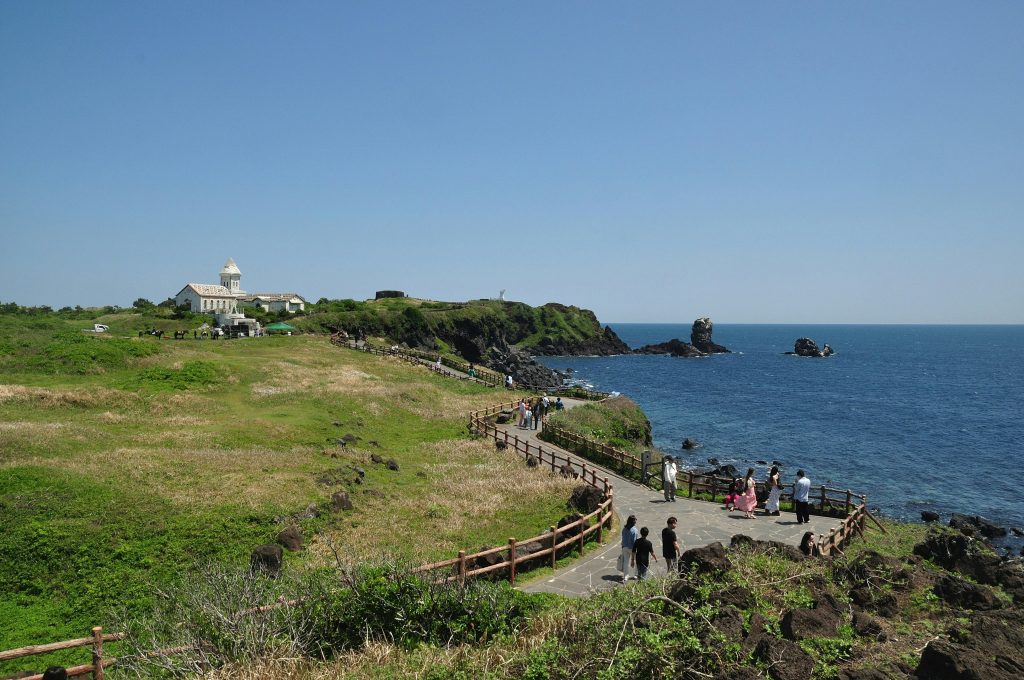
Major Cities to Include in Your Itinerary
| City | Highlights | Ideal Stay Duration |
|---|---|---|
| Seoul | Palaces, shopping, food markets, museums | 4–5 days |
| Busan | Beaches, temples, seafood, coastal views | 2–3 days |
| Gyeongju | Ancient tombs, UNESCO sites, temples | 1–2 days |
| Jeju Island | Volcanic landscapes, waterfalls, hiking | 2–4 days |
| Incheon | Cultural villages, Chinatown, airport hub | 1 day (arrival/departure) |
Sample 7-Day Itinerary
- Day 1–3: Explore Seoul (Gyeongbokgung Palace, Myeongdong, N Seoul Tower)
- Day 4: Travel to Gyeongju for historic sites
- Day 5–6: Relax in Busan by the beach or visit Gamcheon Culture Village
- Day 7: Return to Seoul or fly out from Busan/Incheon
Itinerary Tips
- Avoid cramming too much into each day, leave room for rest and unexpected discoveries
- Group attractions by neighborhood to save time and energy
- Use Korea’s high-speed rail (KTX) to move efficiently between cities
A well-balanced itinerary ensures your South Korea travel experience is enjoyable and stress-free. With thoughtful planning, you’ll have time to explore, relax, and truly connect with the local culture.
4. Understand the Transportation System Before Travelling to South Korea
Save Time and Money by Navigating the Country with Confidence
When planning a trip to South Korea, understanding the transportation system is essential. Fortunately, South Korea offers one of the most reliable, affordable, and efficient public transport networks in the world. Whether you’re staying in Seoul or exploring rural regions, getting around is straightforward.

Transportation Options in South Korea
| Mode of Transport | Description | Best For |
|---|---|---|
| Subway | Extensive networks in major cities | Daily city travel |
| Bus | Local and intercity routes | Affordable city-to-city trips |
| KTX Train | High-speed rail between major cities | Fast intercity travel |
| Taxi | Widely available but more costly | Short-distance, late-night trips |
| T-money Card | Prepaid card used for subways, buses, taxis | Convenience and savings |
Tips for Using Public Transport
- Buy a T-money card at the airport or convenience stores. It works on buses, subways, and even taxis.
- Download navigation apps like KakaoMap or Naver Map, they offer real-time public transit directions in English.
- Use the KTX if you’re visiting places like Busan, Daegu, or Gyeongju. It’s faster than buses and more comfortable.
- Plan routes ahead during rush hours to avoid overcrowded trains, especially in Seoul.
Getting around South Korea is relatively stress-free once you know your options. With just a bit of preparation, you’ll save time and money, and make your South Korea travel experience smoother.
5. Learn Basic Korean Phrases Before Planning a Trip to South Korea
Bridge the Language Gap and Travel More Confidently
While English is spoken in tourist areas, knowing basic Korean can significantly improve your experience when travelling to South Korea. Locals appreciate when visitors make the effort to speak their language, even simple greetings can go a long way in building rapport.
Useful Korean Phrases for Travelers
| English Phrase | Korean Translation | Pronunciation Guide |
|---|---|---|
| Hello | 안녕하세요 | annyeong-haseyo |
| Thank you | 감사합니다 | gam-sa-ham-ni-da |
| Excuse me / Sorry | 죄송합니다 | joe-song-ham-ni-da |
| How much is this? | 이거 얼마예요? | ee-geo eol-ma-ye-yo? |
| Where is the bathroom? | 화장실 어디예요? | hwa-jang-sil eo-di-ye-yo? |
| I don’t speak Korean | 한국말 못해요 | han-guk-mal mot-hae-yo |
Language Tips for South Korea Travel
- Use translation apps like Papago or Google Translate. Papago is especially accurate for Korean.
- Practice polite speech: Korean is a language with many levels of formality. Stick to polite forms to be safe.
- Learn Hangul basics: The Korean alphabet is simple to pick up and helps with signs and menus.
- Listen and repeat: Use YouTube or podcasts to practice pronunciation before your trip.
Even if you’re not fluent, making an effort to speak Korean shows respect. It also helps you navigate local situations, from ordering food to asking for directions. So, as you plan your trip to South Korea, take time to learn a few phrases, you’ll be glad you did.
6. Explore Korean Culture and Etiquette When Planning a Trip to South Korea
Respect Local Customs for a Better Travel Experience
Understanding local culture is just as important as booking flights or hotels. When you’re planning a trip to South Korea, learning basic etiquette will help you engage respectfully with locals and avoid unintentional offense. South Korean society values politeness, hierarchy, and tradition. Showing cultural awareness can enrich your travel experience.
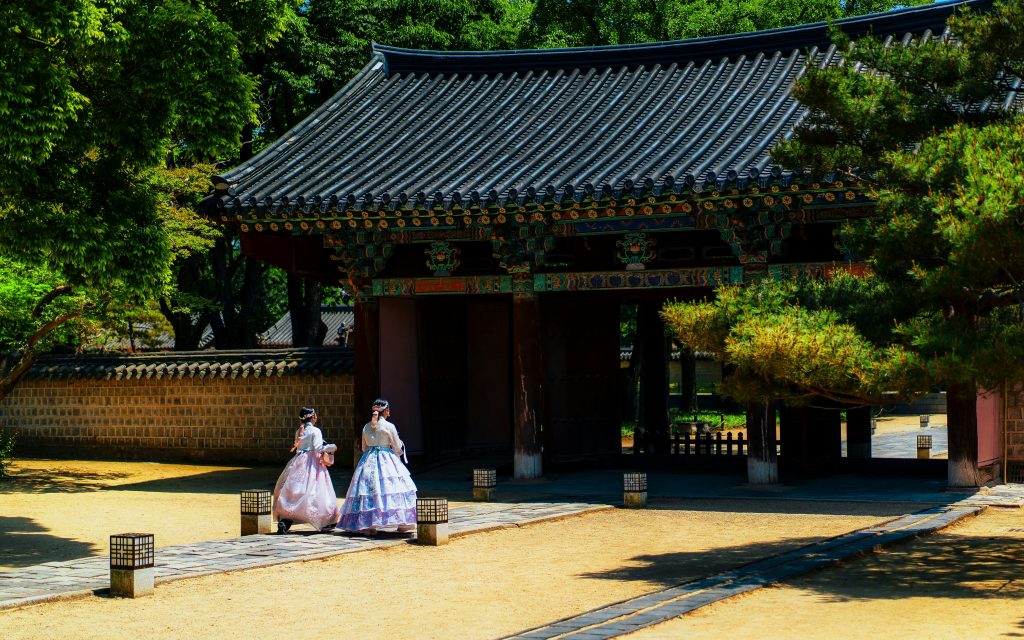
Core Aspects of Korean Etiquette
| Custom or Behavior | What to Know |
|---|---|
| Bowing | A slight bow is a common greeting or thanks |
| Removing shoes | Take off shoes before entering homes or guesthouses |
| Using two hands | Offer and receive items (especially money or gifts) with both hands |
| Respect for elders | Let older people board first, eat first, or speak first |
| Quiet in public spaces | Loud conversation on public transport is frowned upon |
Tips to Respect Korean Culture
- Avoid touching people casually, especially strangers or elders.
- Don’t tip in restaurants, tipping is not expected in South Korea.
- Wait to be seated in traditional restaurants; removing your shoes may be required.
- Cover tattoos when possible in spas (jjimjilbangs), as they may be seen as taboo.
- Use honorifics like “-nim” when addressing someone in a formal setting.
Respecting cultural norms is a powerful way to connect with people during your South Korea travel experience. It shows appreciation for the country and makes interactions smoother and more meaningful. By planning with culture in mind, you’ll enjoy a more immersive and respectful trip.
7. Stay Connected and Safe While Travelling to South Korea
Smart Tech and Safety Tips to Keep You Prepared
When planning a trip to South Korea, it’s essential to consider how you’ll stay connected and keep safe during your journey. South Korea is one of the safest countries in the world, but preparation is still key, especially when it comes to communication and access to information on the go.
Internet and Connectivity Options
South Korea offers some of the fastest internet speeds globally. Staying connected is easy with a few practical options:
| Option | Description | Ideal For |
|---|---|---|
| SIM Card | Purchase at the airport or online | Solo travelers, longer stays |
| Portable Wi-Fi Egg | Rentable at major airports | Families or group travel |
| eSIM | Instant digital activation, no physical card | Tech-savvy users |
| Free Wi-Fi | Widely available in cafes, hotels, subways | Light internet users |
Safety Tips for South Korea Travel
- Keep emergency numbers handy: 112 for police, 119 for fire or ambulance
- Use hotel safes for passports and valuables
- Avoid isolated areas at night, especially in unfamiliar neighborhoods
- Save embassy contact info in case of lost documents or other emergencies
- Track your route on apps like KakaoMap to stay aware while commuting
Travel Apps to Improve Safety and Convenience
- KakaoTalk: The most widely used messaging app in Korea
- Naver Map: Alternative to Google Maps, works better in South Korea
- Emergency Ready App: Offers emergency alerts in English
Staying connected ensures you can easily navigate cities, access emergency services, and communicate with locals or fellow travelers. With the right tools, your South Korea travel adventure will be both safe and seamless.
8. Try Local Cuisine While Travelling in South Korea
A Food Lover’s Guide to Korea’s Culinary Delights
One of the most rewarding parts of travelling to South Korea is the food. Korean cuisine is flavorful, diverse, and deeply connected to the country’s culture and identity. Whether you’re a street food enthusiast or someone who prefers sit-down restaurants, there’s something delicious waiting at every corner.

Must-Try Korean Dishes
| Dish | Description | Where to Try It |
|---|---|---|
| Bibimbap | Mixed rice with vegetables, egg, and chili paste | Local diners, train stations |
| Samgyeopsal | Grilled pork belly served with side dishes | Korean BBQ restaurants |
| Kimchi | Fermented vegetables, usually spicy | Every meal table |
| Tteokbokki | Spicy rice cakes with fish cakes and sauce | Street food stalls |
| Sundubu-jjigae | Spicy tofu stew | Traditional Korean restaurants |
| Hotteok | Sweet syrup-filled pancake | Markets and food carts |
Tips for Food Adventures
- Eat where locals eat, Busy spots often have the best and most affordable food.
- Try street food markets like Gwangjang Market (Seoul) or Nampo-dong (Busan).
- Sample banchan (side dishes) that are served free with meals.
- Be mindful of spice levels, ask for “less spicy” if you’re unsure.
- Explore convenience store meals, Korean 7-Eleven meals are surprisingly tasty and cheap.
Food plays a central role in Korean life. By diving into local cuisine, you’ll better understand the culture and daily life of the people. Make sure your South Korea travel itinerary includes time to explore the food scene, it’s an experience you don’t want to miss.
9. Use the Right Travel Apps When Planning a Trip to South Korea
Make Your Trip Smoother with These Digital Tools
Having the right travel apps can make planning a trip to South Korea much easier and your journey much smoother. From navigation and translation to transit and dining, these tools help you save time, avoid confusion, and explore more confidently.
Must-Have Apps for South Korea Travel
| App Name | Purpose | Why You Need It |
|---|---|---|
| KakaoMap | Navigation | More accurate than Google Maps in Korea |
| Naver Map | Alternative GPS app | Real-time directions in English |
| Papago | Language translation | Best for Korean-English translation |
| KakaoTalk | Messaging | Most widely used communication tool |
| Korail | Train bookings (KTX) | Plan and reserve high-speed rail trips |
| Subway Korea | Subway routes and schedules | Easy navigation for metro systems |
| Coupang Eats / Shuttle | Food delivery | Convenient local meal delivery options |
Travel Tech Tips
- Download apps before departure, This saves time and avoids language barriers at setup.
- Use offline features, Apps like Naver Map and Papago offer offline mode.
- Enable roaming or get a local SIM, Stable internet access improves app performance.
- Use Google Translate’s camera tool for reading Korean signs or menus if Papago is unavailable.
These apps are more than just helpful, they’re essential tools for navigating life in South Korea. By installing and learning them ahead of time, your South Korea travel experience will feel more natural, organized, and stress-free.
10. Pack Smartly When Planning a Trip to South Korea
Bring the Right Items and Travel Light
Packing well is a key part of successfully planning a trip to South Korea. The country is modern and convenient, but arriving prepared will save you time and reduce unnecessary expenses. Your packing list should vary depending on the season, your travel goals, and your itinerary.
Essentials to Pack for South Korea Travel
| Item Type | Examples & Tips |
|---|---|
| Clothing | Layered outfits, rain gear, comfortable shoes |
| Electronics | Universal adapter (220V), portable charger |
| Health & Hygiene | Personal meds, travel-size toiletries |
| Travel Documents | Passport, visa (if required), printed bookings |
| Tech & Apps | Smartphone with travel apps installed |
| Cash & Cards | Korean Won (₩) + at least one international card |
What to Leave Out
- Heavy luggage: Most streets have stairs and limited elevator access
- Too many shoes: One walking pair and one casual pair are often enough
- Full-size toiletries: These are easily available in Korean convenience stores
Seasonal Packing Tips
- Winter (Dec–Feb): Pack thermal layers, gloves, and insulated jackets
- Summer (Jun–Aug): Bring breathable clothes, sunblock, and a hat
- Spring/Autumn: Light jackets and comfortable walking shoes work best
South Korea has plenty of convenience stores and affordable shopping options, so don’t stress if you forget something minor. Still, packing smart ensures you can focus on enjoying your South Korea travel experience without unnecessary hassle.
Bonus: Travel Restrictions, Rules, and Warnings for Travelling to South Korea
Stay Informed and Prepared Before Your Trip
Even the best itinerary can be disrupted by unexpected travel restrictions or misunderstandings about local rules. That’s why it’s important to include this bonus section when planning a trip to South Korea. It provides up-to-date guidance for foreign travelers regarding entry rules, safety measures, and common warnings.
Entry Requirements at a Glance
| Traveler Type | Visa Requirement | Notes |
|---|---|---|
| Visa-exempt citizens | No visa needed for up to 90 days | U.S., EU, UK, Canada, Australia, and more |
| Non-exempt travelers | Tourist visa required | Apply in advance via Korean consulate |
| All travelers | Valid passport required | Must have at least 6 months’ validity |
Health and Safety Protocols
- COVID-19: While entry testing is mostly lifted, masks may still be required in hospitals and clinics.
- Vaccination: No specific vaccines required, but routine immunizations (e.g., tetanus, hepatitis A) are recommended.
- Travel Insurance: Highly recommended and sometimes required; ensure it includes medical and emergency coverage.
Warnings for Foreign Travelers
- Avoid photographing military zones or restricted buildings, this can result in fines or questioning.
- Check air quality, especially in spring. Fine dust levels can affect outdoor activities.
- Natural events like typhoons may impact flights and transport during summer months.
- Be cautious near the DMZ, only visit on official tours with proper guidance.
Pre-Travel Checklist
- Register with your embassy or consulate before departure
- Download the Emergency Ready App or Korea Travel Safety app
- Keep digital and printed copies of your passport, visa, and insurance policy
Being informed helps you avoid problems, reduce risks, and travel with confidence. Always verify the latest regulations on the official Korea Immigration website or your local embassy’s travel advisory page before your flight.
Conclusion: Start Planning Your Trip to South Korea with Confidence
The Journey Begins with Smart Preparation
Planning a trip to South Korea doesn’t have to be overwhelming. With the right information, tools, and mindset, you can create a travel experience that’s both enriching and stress-free. Whether you’re traveling for culture, food, landscapes, or modern cities, South Korea offers something unforgettable for every kind of explorer.
From understanding when to go, how much to budget, and what to pack, to learning basic Korean phrases and respecting local etiquette, each tip in this guide helps you travel smarter. You now have the insight needed to make informed decisions every step of the way.
As you build your itinerary, don’t forget to explore more detailed travel inspiration. Check out our companion guide: 10 Epic South Korea Itinerary Ideas to Inspire Your Trip
This post breaks down unique travel routes across South Korea, from cultural deep dives to coastal adventures.
Final Thoughts
- Begin planning early to secure the best deals and avoid peak-season hassles
- Travel with curiosity, cultural respect, and flexibility
- Use this South Korea travel guide as your roadmap for a meaningful journey
With these brilliant tips in hand, you’re now ready to experience the very best South Korea has to offer. Safe travels, and enjoy every moment!
We’d Love to Hear From You!
Have you already visited South Korea, or are you currently planning your first adventure? We’d love to hear about your experiences, ideas, or any travel questions you may have. Leave a comment below and let’s start a conversation!
If you found this South Korea travel guide helpful:
- Share it with friends or fellow travelers who are also planning a trip to South Korea
- Save it to your travel board or bookmark it for easy reference later
- Join the community by subscribing or following us on social media for more detailed travel guides, insider tips, and destination inspiration
Every share, comment, and conversation helps fellow travelers discover this content—and encourages us to keep creating helpful guides like this one.
Thanks for reading, and happy travels from all of us at Travelers Thoughts!