

Introduction: Why Wildlife Photography Trips Are the Ultimate Adventure
Adventure lovers are always on the lookout for experiences that push their boundaries and immerse them in nature. Wildlife photography trips offer a rare opportunity to capture the untamed beauty of the world’s most exotic creatures, all while exploring some of the most remote corners of the Earth. These journeys combine the thrill of discovery with the art of storytelling through a camera lens.
Not only do these trips provide unforgettable moments, but they also help develop technical skills. From understanding animal behavior to mastering light in unpredictable settings, each wildlife photography tour builds new layers of expertise. Moreover, travelers get to witness endangered species in their natural habitats, often contributing to conservation efforts simply by being present.
Unlike regular vacations, wildlife photography tours offer a deeper connection with the environment. They are structured to include expert guides, specialized itineraries, and access to off-the-beaten-path locations. This makes the experience ideal for both amateur photographers and seasoned pros.
Whether you’re capturing a lion’s gaze during golden hour or a polar bear crossing the ice, each image tells a story worth sharing. In the sections that follow, we’ll explore ten destinations that are not only visually stunning but also rich in wildlife. These are the wildlife photography trips every adventure lover should consider.
1. Serengeti Wildlife Photography Trips: The Great Migration in Motion

Few wildlife photography trips rival the sheer spectacle of the Serengeti during the Great Migration. Located in Tanzania, this vast ecosystem becomes a living, breathing canvas filled with wildebeest, zebras, gazelles, and predators in motion. For photographers, this is the ultimate playground.
Each year, over a million animals cross the plains in one of the planet’s most awe-inspiring natural events. The migration provides endless opportunities to capture dramatic moments, wildebeest charging through crocodile-infested rivers, lions stalking prey, and herds disappearing into golden sunsets.
A well-planned wildlife photography tour of the Serengeti typically includes multiple game drives per day, guided by trackers who understand animal patterns. This increases your chances of capturing action shots with dynamic compositions.
What Makes Serengeti Unique for Photography?
| Feature | Benefit for Photographers |
|---|---|
| Open grasslands | Clear sightlines and wide-angle shots |
| Predator-prey dynamics | High chance of dramatic storytelling |
| Seasonal changes | Variety in lighting and animal behavior |
To prepare, pack a telephoto lens, a fast shutter-capable camera, and a lightweight tripod. Most importantly, be ready at dawn and dusk, the golden hours produce the most striking images.
Choosing a guided wildlife photography trip in the Serengeti ensures safe, ethical, and impactful encounters with nature. With every click of the shutter, you’re documenting a story millions of years in the making.
2. Pantanal Wildlife Photography Tours: Brazil’s Hidden Biodiversity Treasure

The Pantanal in Brazil is often overshadowed by the Amazon, yet it offers some of the best wildlife photography trips on the continent. As the world’s largest tropical wetland, this ecosystem is teeming with life and ideal for photographers seeking rare and intimate animal encounters.
What makes the Pantanal special is the density and visibility of wildlife. Unlike dense rainforests, its open spaces make it easier to spot and photograph elusive creatures. Jaguars, capybaras, giant river otters, and hundreds of bird species roam freely here, often within close range of boats and trails.
Because of its wetlands and waterways, a typical wildlife photography tour in the Pantanal includes both land safaris and boat excursions. This dual approach offers a fresh perspective and increases your chances of capturing unique behavior, especially during the dry season when animals gather near water sources.
Highlights of a Wildlife Photography Trip to the Pantanal:
- Jaguar sightings: One of the few places where jaguars are frequently photographed in the wild.
- Avian diversity: Home to toucans, hyacinth macaws, and jabirus.
- Water-based photography: Excellent light reflection and angles from boats.
Most tours provide seasoned guides who understand not only the terrain but also what photographers need. As a result, your images tell richer, more impactful stories.
If you’re planning an unforgettable wildlife photography tour, Brazil’s Pantanal should top your list.
3. Yellowstone Wildlife Photography Trips: Geysers, Grizzlies, and Grand Scenery

Yellowstone National Park offers a blend of geothermal wonders and untamed wilderness, making it one of the most versatile wildlife photography trips in North America. Located primarily in Wyoming, this park spans over 2 million acres and hosts a wide variety of wildlife, including grizzly bears, wolves, elk, and bison.
The park’s distinct geothermal landscape adds drama to every shot. Imagine a herd of bison walking past a steaming geyser or wolves silhouetted against a snowy backdrop, these moments make Yellowstone an unforgettable wildlife photography tour destination.
Photographers can access a variety of ecosystems within the park. From the wide-open Lamar Valley to dense pine forests and steaming riverbanks, every zone brings different photographic opportunities. Autumn and early winter are especially rich seasons, when animal activity increases and the light becomes softer and more dramatic.
What to Expect on a Wildlife Photography Tour in Yellowstone:
| Wildlife Focus | Best Location | Time of Day |
|---|---|---|
| Grizzly Bears | Hayden Valley | Early Morning |
| Wolves | Lamar Valley | Dawn/Dusk |
| Bison | All regions | Midday & Golden Hour |
Yellowstone also offers the convenience of paved roads, excellent vantage points, and knowledgeable park rangers, which enhances both safety and accessibility. A well-planned wildlife photography trip here guarantees powerful imagery and thrilling experiences.
4. Masai Mara Wildlife Photography Tours: Capturing Africa’s Predators in Action

When it comes to action-packed wildlife photography trips, the Masai Mara in Kenya stands out. This iconic reserve is famous for its high density of predators and dramatic encounters between lions, cheetahs, and their prey. If your goal is to capture intense wildlife moments, this destination delivers in every frame.
The open savannah landscape offers excellent visibility, making it easier to photograph fast-moving animals. Photographers often capture cheetahs sprinting across the plains or lions coordinating a hunt. These aren’t just lucky sightings, they’re daily occurrences during the migration season, which overlaps with Tanzania’s Serengeti.
Many wildlife photography tours in the Masai Mara are timed to coincide with the Great Migration. This period offers exceptional opportunities to photograph river crossings, herds on the move, and predator-prey interactions that are as raw as they are riveting.
Key Advantages of a Masai Mara Wildlife Photography Trip:
- Predator density: One of the best places to photograph lions and cheetahs.
- Accessible terrain: Wide, open spaces enhance photo clarity.
- Cultural immersion: Interactions with Maasai guides offer added storytelling depth.
Unlike some wildlife destinations, the Mara provides consistency. Almost every game drive yields a photo-worthy moment. For those passionate about storytelling through the lens, a wildlife photography tour in Masai Mara is not just an option, it’s a must.
5. Galápagos Wildlife Photography Tours: Evolution Up Close

The Galápagos Islands offer a unique and unforgettable setting for wildlife photography trips. This volcanic archipelago, located about 600 miles off the coast of Ecuador, is home to an extraordinary collection of animals found nowhere else on Earth. For photographers, it’s a place where the subjects are not only rare but also remarkably approachable.
Because of the islands’ isolation and protected status, animals here have evolved without fear of humans. As a result, it’s common to get within feet of blue-footed boobies, marine iguanas, and giant tortoises, making every wildlife photography tour feel personal and exclusive.
Each island offers distinct environments, from lava fields and mangroves to sandy beaches and lush highlands. These varied landscapes create dramatic backdrops for every shot. Photographers often explore by both land and sea, capturing moments that blend terrestrial and marine life into one breathtaking story.
Highlights of a Wildlife Photography Trip to the Galápagos:
- Close proximity to wildlife: Subjects rarely flee or hide.
- Diverse ecosystems: Multiple island habitats in one trip.
- Marine life access: Snorkeling with sea lions, turtles, and reef sharks.
Travelers often join small-group wildlife photography tours led by naturalists and guides who understand the islands’ rhythms. These tours allow you to maximize both creative output and ecological respect.
Without a doubt, the Galápagos is one of the most unique wildlife photography trips you’ll ever experience.
6. Bandhavgarh Wildlife Photography Trip: Into the Heart of Tiger Territory

India’s Bandhavgarh National Park offers one of the highest chances to photograph Bengal tigers in the wild. If your dream wildlife photography trip includes big cats in lush forests, this park should be at the top of your list. Nestled in the state of Madhya Pradesh, Bandhavgarh is known not only for its tiger population but also for its scenic beauty and ancient ruins.
Unlike the open plains of Africa, Bandhavgarh’s dense sal forests create a mysterious and moody backdrop. This adds an element of storytelling to every photograph. The park is divided into multiple zones, each offering unique sightings, from tigers to sloth bears and leopards.
What sets this wildlife photography tour apart is the combination of wildlife and history. Ancient temples and fortresses lie hidden in the jungle, giving photographers opportunities to blend nature with cultural heritage in a single frame.
Why Choose Bandhavgarh for Wildlife Photography?
- High tiger density: Frequent sightings increase success rate.
- Scenic diversity: Forests, grasslands, and ruins enrich compositions.
- Guided expertise: Local trackers help locate elusive species.
For best results, visit during the dry season (April–June), when animals are easier to spot near waterholes. Many wildlife photography tours also offer extended stays, allowing for deeper exploration and better timing.
In every sense, Bandhavgarh provides a thrilling, immersive wildlife photography trip for those seeking intensity and beauty.
7. Svalbard Wildlife Photography Tours: Arctic Adventures with Polar Bears

If you’re craving a truly remote and icy expedition, Svalbard offers one of the most striking wildlife photography trips on Earth. Located well within the Arctic Circle, this Norwegian archipelago is a dream destination for photographing polar bears, Arctic foxes, walruses, and seabirds in a frozen, untouched landscape.
Svalbard’s surreal terrain, glaciers, sea ice, and towering cliffs, provides dramatic scenery for any wildlife photography tour. Here, light behaves differently. The long days of the midnight sun or the soft blues of Arctic twilight add artistic layers to every photo.
A typical wildlife photography trip to Svalbard is conducted by ship. These small expeditions navigate icy channels and remote fjords, bringing photographers close to subjects while maintaining safety and respect for nature. Zodiac boats are often used for shore landings or ice-edge photography.
Top Subjects to Capture in Svalbard:
| Animal | Preferred Location | Prime Season |
|---|---|---|
| Polar Bears | Ice floes & coastlines | June–August |
| Walruses | Coastal haul-outs | Summer |
| Arctic Foxes | Tundra areas | Late Spring |
The isolation of Svalbard also means fewer crowds, allowing for quiet, focused time in nature. For adventure seekers, few wildlife photography tours offer such intense solitude paired with world-class wildlife.
If you’re ready to go beyond the usual and embrace the extreme, Svalbard is your next great wildlife photography trip.
8. Okavango Delta Wildlife Photography Trip: Water Meets the Wild

The Okavango Delta in Botswana is one of Africa’s most photogenic landscapes. It’s a lush, ever-changing maze of waterways, floodplains, and islands, ideal for adventurous wildlife photography trips. Recognized as a UNESCO World Heritage Site, the delta supports an astonishing range of wildlife and delivers dynamic photo opportunities around every turn.
What makes the Okavango unique is its seasonal flooding. During high water periods (typically June to October), animals migrate toward the delta’s rich resources. This natural behavior allows photographers to capture elephants swimming, hippos surfacing in the mist, and leopards stalking through reeds, all from a boat or land vehicle.
Many wildlife photography tours in this region blend traditional game drives with mokoro excursions (dugout canoes), offering fresh perspectives and tranquil access to hard-to-reach areas.
Photo Highlights from a Wildlife Photography Tour in the Okavango:
- Aquatic wildlife scenes: Hippos, crocodiles, and wading birds.
- Predator sightings: Lions, wild dogs, and leopards.
- Dramatic lighting: Reflections and misty mornings amplify the mood.
Here, nature is both peaceful and intense. One moment you’re capturing a herd of elephants bathing; the next, you’re tracking predators through tall grasses. These shifts make every wildlife photography tour feel alive and spontaneous.
The Okavango Delta is more than a destination, it’s a living, breathing ecosystem made for storytellers with a lens.
9. Yala Wildlife Photography Tours: Leopards of Sri Lanka
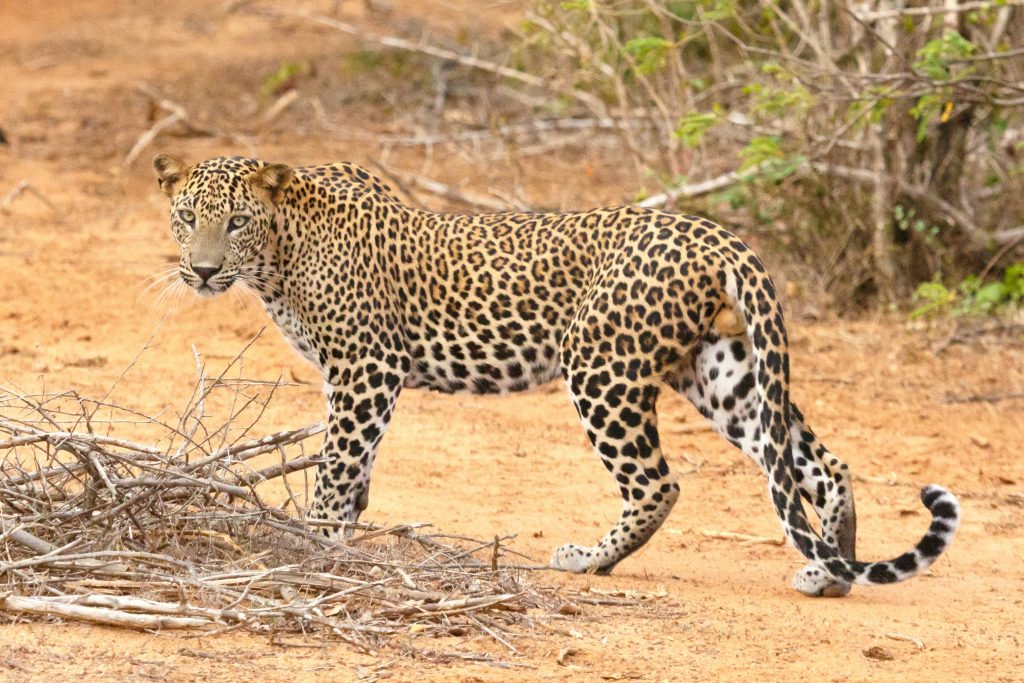
Yala National Park, located on the southeastern coast of Sri Lanka, offers a truly unique wildlife photography trip. Known for having one of the highest densities of leopards in the world, Yala is a top destination for capturing this elusive predator in its natural habitat.
The park’s diverse landscapes, ranging from scrub forests and freshwater lakes to rocky outcrops and coastal lagoons, create varied backdrops for photography. This natural diversity not only enhances image composition but also supports an impressive range of species, including elephants, sloth bears, crocodiles, and a dazzling array of birds.
What sets a wildlife photography tour in Yala apart is the accessibility and frequency of sightings. While leopards remain a highlight, photographers often return with images of elephants bathing, peacocks in full display, or water buffalo grazing at dusk.
Key Subjects on a Wildlife Photography Trip to Yala:
| Species | Ideal Viewing Time | Notable Behavior |
|---|---|---|
| Leopards | Early Morning | Perched on rocks or in trees |
| Elephants | Afternoon | Herds near lakes and rivers |
| Birds | All Day | Bright plumage and flight shots |
Local naturalists enhance every wildlife photography tour with tracking knowledge and insight into animal behavior. That guidance makes a major difference in both the timing and quality of each photo session.
For adventure lovers looking to blend wildlife with tropical beauty, Yala offers a richly rewarding wildlife photography trip.
10. Antarctica Wildlife Photography Trips: The White Continent Unveiled

Antarctica represents the pinnacle of remote and pristine wildlife photography trips. It’s not just a destination, it’s an expedition. This icy wilderness delivers surreal encounters with penguins, seals, whales, and seabirds against a backdrop of towering glaciers and endless snowfields.
Because access is limited and highly seasonal, most wildlife photography tours to Antarctica are conducted via small expedition ships. These vessels offer flexible itineraries and zodiac boats for closer encounters, giving photographers rare access to remote colonies and ice-draped coastlines.
What makes Antarctica so photogenic is its contrast. The deep blues of icebergs, the stark whiteness of snow, and the sharp black markings of Adélie and emperor penguins create vivid compositions. Furthermore, wildlife here shows little fear of humans, allowing for close-up shots that are both intimate and respectful.
Must-Capture Moments on a Wildlife Photography Tour to Antarctica:
- Penguin colonies: Adélie, Gentoo, and Emperor species nesting and feeding.
- Whale encounters: Humpbacks and orcas often breach near boats.
- Icy landscapes: Glaciers, ice caves, and floating icebergs in ethereal light.
This wildlife photography trip is demanding but deeply rewarding. Harsh conditions challenge your skill, but the payoff is unparalleled. Every image from Antarctica tells a story of survival, isolation, and the raw beauty of nature untouched.
For photographers seeking once-in-a-lifetime content, Antarctica is the final frontier.
Essential Tips for Wildlife Photography Trips: Prepare Like a Pro
Before heading out on any of the amazing wildlife photography trips mentioned above, preparation is crucial. Whether you’re shooting tigers in India or penguins in Antarctica, the difference between an average and exceptional shot often comes down to planning, gear, and technique.
Key Tips to Maximize Your Wildlife Photography Tour:
1. Know Your Gear
- Practice with your camera before the trip.
- Use lenses suited to your subject: telephoto for distance, wide-angle for landscapes.
- Bring extra batteries and memory cards, always.
- Also, don’t forget the basics that make your journey comfortable and safe. Check out our Safari Packing List: 15 Essential Items You Can’t Forget to make sure you’re fully prepared.
2. Time Your Travel Right
- Wildlife behavior changes seasonally.
- Research the best months for sightings at each destination.
- Aim for the golden hours: early morning and late afternoon.
3. Be Patient and Observant
- Many great shots require waiting and watching.
- Avoid rushing or moving too much; let the scene unfold naturally.
4. Respect Wildlife and Local Rules
- Never disturb animals for a photo.
- Follow your guide’s advice and keep a respectful distance.
- Use silent mode if your camera allows.
5. Stay Light and Mobile
- Pack only what you need.
- Use a light tripod or monopod for stability and flexibility.
A great wildlife photography trip blends preparation with spontaneity. These tips ensure that when the perfect moment arrives, you’re ready to capture it, clearly, ethically, and beautifully.
Conclusion: Make Your Wildlife Photography Trip Count
Each of these epic wildlife photography trips offers something truly special, whether it’s the thundering drama of the Serengeti, the icy isolation of Antarctica, or the quiet magic of Sri Lanka’s jungles. As an adventure lover, you don’t just travel to see the world; you travel to capture it, to preserve moments that are both fleeting and profound.
These journeys are more than tours; they are gateways into the wild. A single image from a wildlife photography tour can tell stories of survival, beauty, and connection. The more time you spend in these environments, the more your photography evolves, not just technically, but emotionally.
As you plan your next wildlife photography trip, remember that the best images come not from luck, but from patience, respect, and a deep understanding of your surroundings. Equip yourself well, choose destinations that move you, and always approach wildlife with humility.
We hope this guide has inspired your next journey into the wild. There’s a big world out there, waiting to be seen through your lens.
We Want to Hear From You!
Have you taken any amazing wildlife photography tours lately? Do you have a dream destination in mind? Share your thoughts in the comments below. If you found this guide helpful, please share it with your fellow photographers and travelers. Let’s inspire more stories from the wild.