The best time to visit Sri Lanka depends on which coast you want. For the west and south coasts (Galle, Mirissa, Bentota), go from December to March. For the east coast (Trincomalee, Arugam Bay), go from May to September. Because two monsoons hit opposite sides of the island at different times, somewhere in Sri Lanka is having good weather in every month of the year.
This guide explains how the monsoons work, then goes month by month so you can match your dates to the right part of the island.
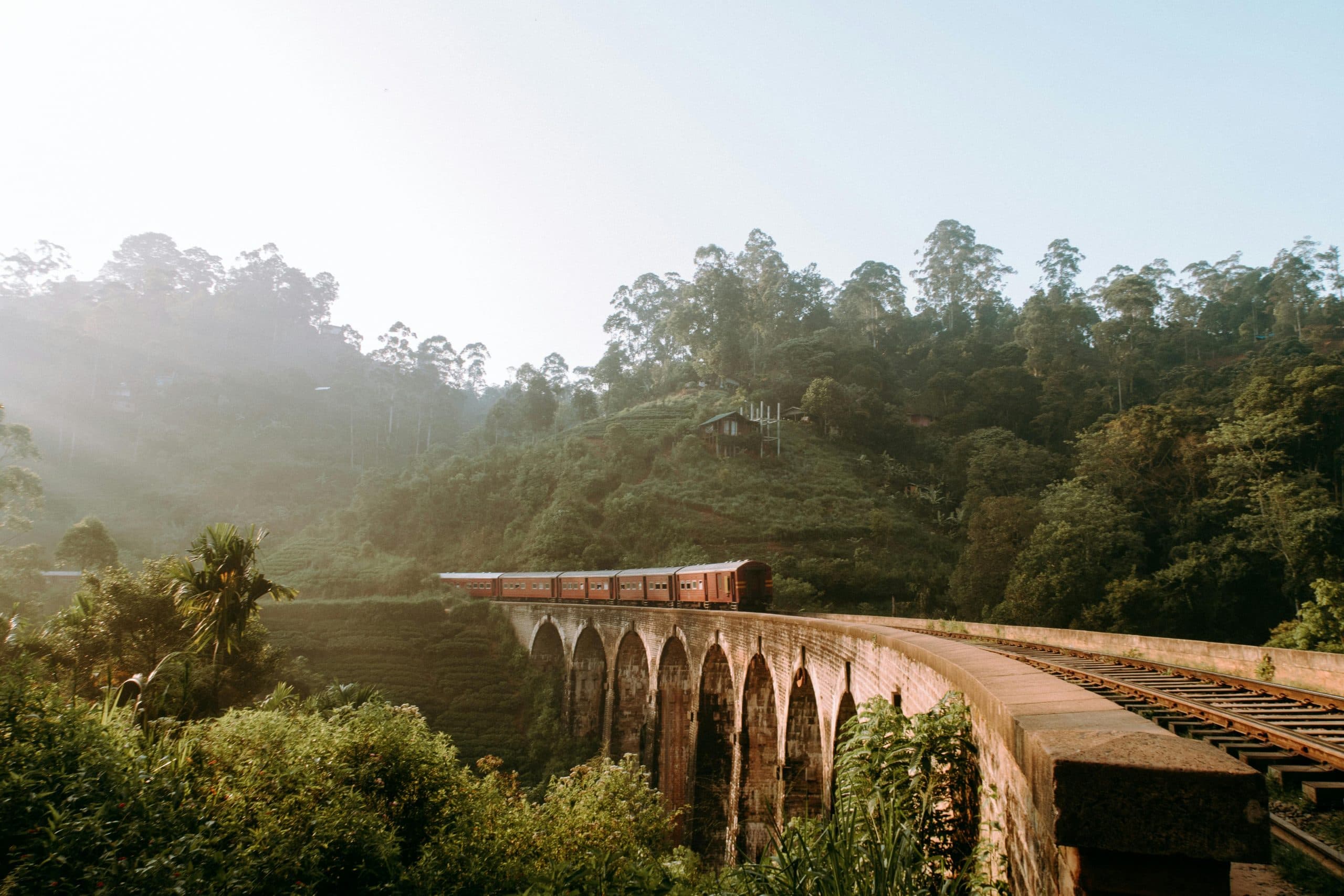
Updated November 2026. After Cyclone Ditwah in late November 2025, the hill country railway is running only between Nanu Oya, Ella and Badulla. Trains from Colombo and Kandy towards Nanu Oya are suspended. If your plan includes the famous train, read our Kandy to Ella train guide for the latest status before you book.
At a glance
| If you want… | Go in… | Why |
|---|---|---|
| South and west coast beaches | December to March | Northeast monsoon season, when this side of the island is dry and the sea is calm |
| East coast beaches (Trincomalee, Arugam Bay) | May to September | Southwest monsoon season, when the east is in the rain shadow |
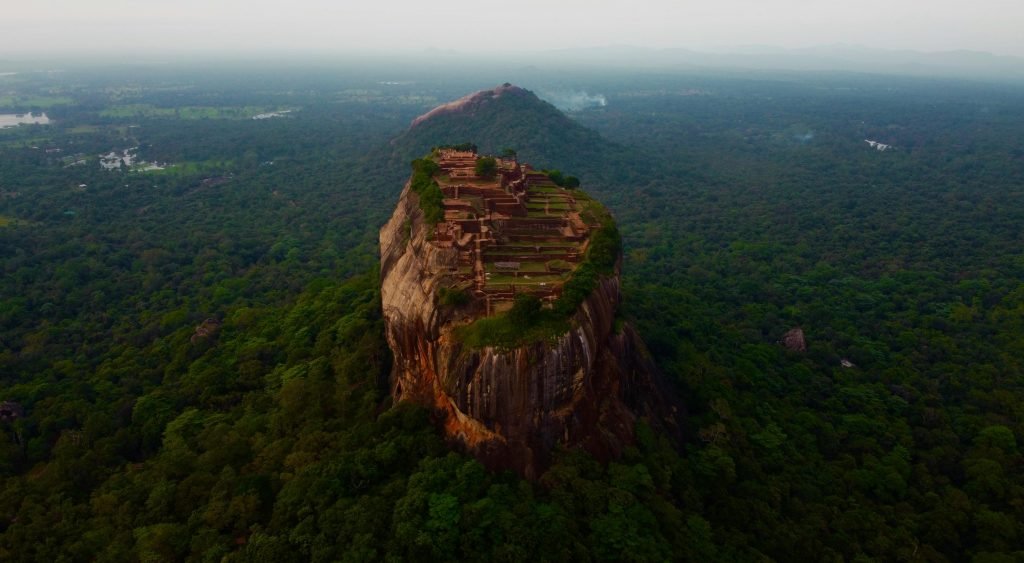
| Sigiriya and the Cultural Triangle | February to September | The dry zone gets most of its rain from October to January |
| Climbing Adam's Peak | December to May | The official pilgrimage season, with the path lit at night |
| Whale watching off Mirissa | November to April | Calm seas on the south coast |
| Fewer crowds, lower prices | April, and October to November | Inter-monsoon months, with showers rather than steady rain |
How Sri Lanka's monsoons work
Sri Lanka is warm all year, with an average temperature of about 27°C and humidity around 80%. What changes through the year is where it rains. The mountains in the middle of the island block the monsoon winds, so one side gets wet while the other stays mostly dry.
According to the Sri Lanka Tourism climate guide, the year splits into four seasons:
- Southwest monsoon (May to September). Heavy rain on the southwest coast and in the hills. The dry zone in the north and east, including Trincomalee, Arugam Bay and Jaffna, is the place to be.
- Second inter-monsoon (October to November). Occasional heavy showers across the whole island, and rough seas. Neither coast is at its best.
- Northeast monsoon (December to February). Clear skies and calm seas on the southwest coast. This is peak tourist season. The rain moves to the north and east.
- First inter-monsoon (March to April). Warm, humid days with afternoon thunderstorms. Mornings are usually clear, which suits sightseeing in the Cultural Triangle and hill country.
Monsoon rain in Sri Lanka usually comes in heavy bursts, often in the afternoon or overnight, rather than all day. A "wet" month on one coast can still give you plenty of sunshine. The bigger issue at the beach is the sea: during the monsoon on that side of the island, waves are bigger and swimming can be unsafe.
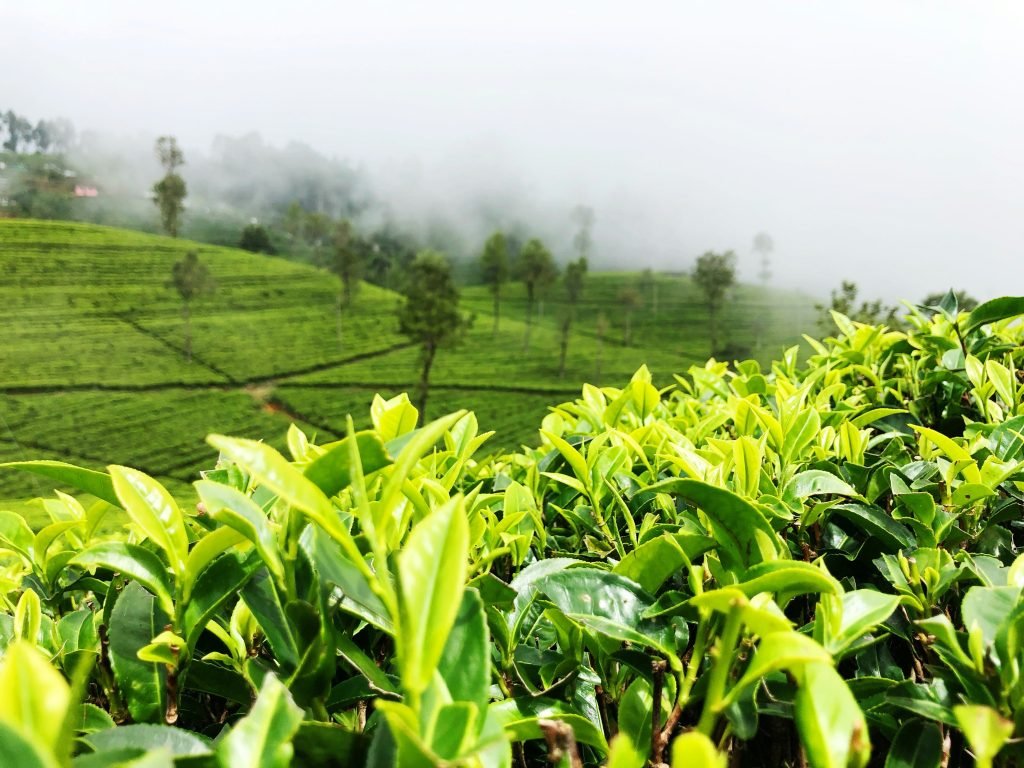
Sri Lanka weather month by month
| Month | West & south coast | Hill country | Cultural Triangle | East coast & north |
|---|---|---|---|---|
| January | Best | Good | Some rain | Wet |
| February | Best | Good | Good | Drying out |
| March | Best | Good | Good, hot | Good |
| April | Good, showers | Showers | Hot, showers | Good |
| May | Wet | Wet (west side) | Good | Best |
| June | Wet | Wet (west side) | Good | Best |
| July | Mixed | Mixed | Good | Best |
| August | Mixed | Mixed | Good | Best |
| September | Mixed | Mixed | Good | Good |
| October | Showers | Wet | Rain starts | Wet |
| November | Showers | Wet | Wet | Wet |
| December | Good to best | Good | Wet | Wet |
Treat this as a guide, not a forecast. Weather varies from year to year, and the start and end of each monsoon can shift by a few weeks.
January to March: peak season in the south and west
This is the classic time to visit. The south and west coasts are dry and sunny with calm seas, the hill country has clear mornings, and the Adam's Peak pilgrimage season is under way. It's also the busiest and most expensive time, so book beach hotels and reserved train seats early.
The east coast is still wet in January and starts to dry out in February. By March, almost the whole island is in good shape, which makes it one of the best months for a round trip that covers both coasts.
April: the shoulder month
April is hot and humid, with afternoon thunderstorms, but both coasts are usually fine for a beach holiday. Sinhala and Tamil New Year falls in mid-April, so expect some shops and restaurants to close for a few days and local transport to be busy as people travel home.
May to September: go east
The southwest monsoon arrives in May. Galle, Mirissa, Bentota and Colombo get regular heavy showers and rough seas, and many beaches are not safe for swimming. May and June are usually the wettest months on this side.
Meanwhile, the east coast has its best weather. Trincomalee, Nilaveli, Pasikudah and Arugam Bay are dry and sunny, and Arugam Bay is in its surf season. The Cultural Triangle is also dry, so Sigiriya, Dambulla and Polonnaruwa are good to visit, though hot.
In the hill country, the western slopes (around Hatton and Adam's Peak) are wettest. The eastern side of the hills, around Ella and Haputale, is often drier during these months.
July and August: festival season
The rain on the southwest coast usually eases in July and August, though showers continue. This is when the Kandy Esala Perahera takes place, one of Asia's biggest Buddhist festivals, with nightly processions of dancers, drummers and decorated elephants. Its dates follow the lunar calendar and change every year. In 2026 it ran from 18 to 28 August. Kandy hotels fill up and prices rise during the festival, so book well ahead if you want to see it.
These are also busy months for European and Indian school-holiday travellers, especially on the east coast.
September: a quieter month
The east coast is still good, and crowds thin out after August. Note that Yala National Park can partly close in the dry season. In 2026, Blocks 1 and 2 were closed from 14 September to 15 October because of dry weather, while other blocks stayed open (NewsFirst report). If a safari is a must, check the current status before you book.
October and November: the inter-monsoon
This is the wettest time for the island as a whole. Showers can hit both coasts, the northeast monsoon starts to bring rain to the east and north, and seas can be rough. Late in the year is also cyclone season in the Bay of Bengal: Cyclone Ditwah hit Sri Lanka in late November 2025 and caused the damage that is still closing parts of the hill country railway.
That doesn't mean you should avoid these months. Prices are lower, sights are quiet, and you'll often get dry mornings. Just build some flexibility into your plans and keep an eye on weather warnings from the Disaster Management Centre.
December: the start of high season
The south and west coasts usually dry out during December, and the season gets busy from the middle of the month through the Christmas and New Year holidays. The Adam's Peak pilgrimage season begins on the Unduvap full moon (Poya) day in December. In the 2025–26 season it began on 4 December (Ada Derana). The east coast and the north are wet in December.
Best time by activity
Beaches
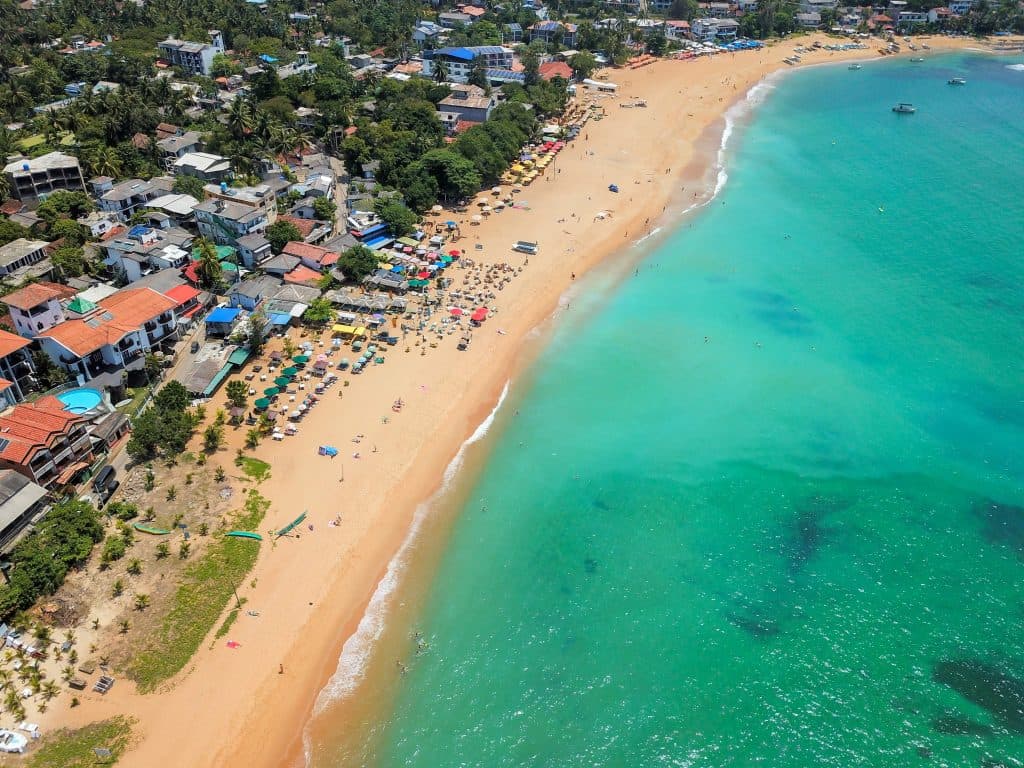
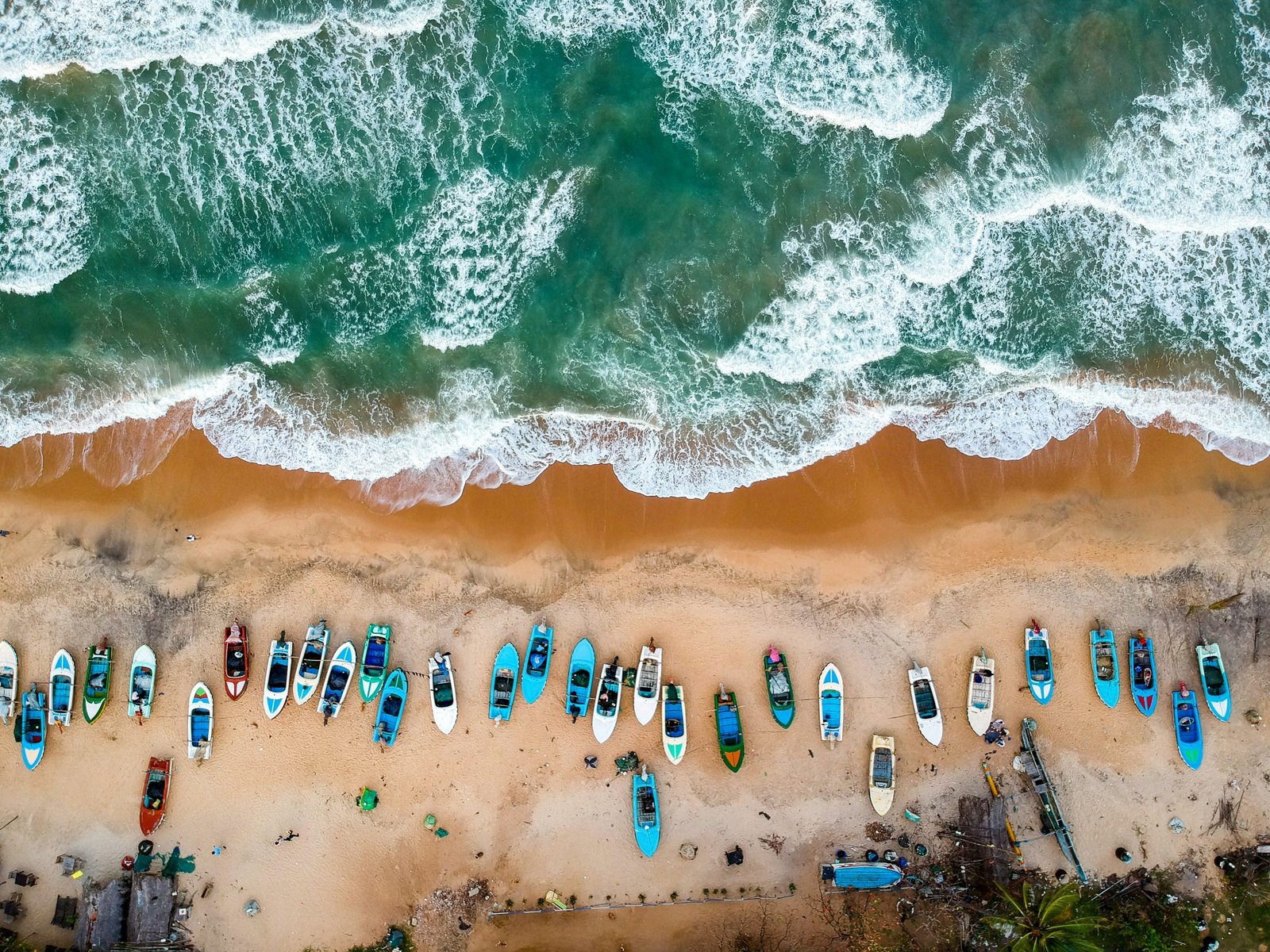
South and west coast: December to March, with April as a shoulder month. East coast: May to September. For more on the south coast towns, see our southern Sri Lanka guide.
Wildlife and safari
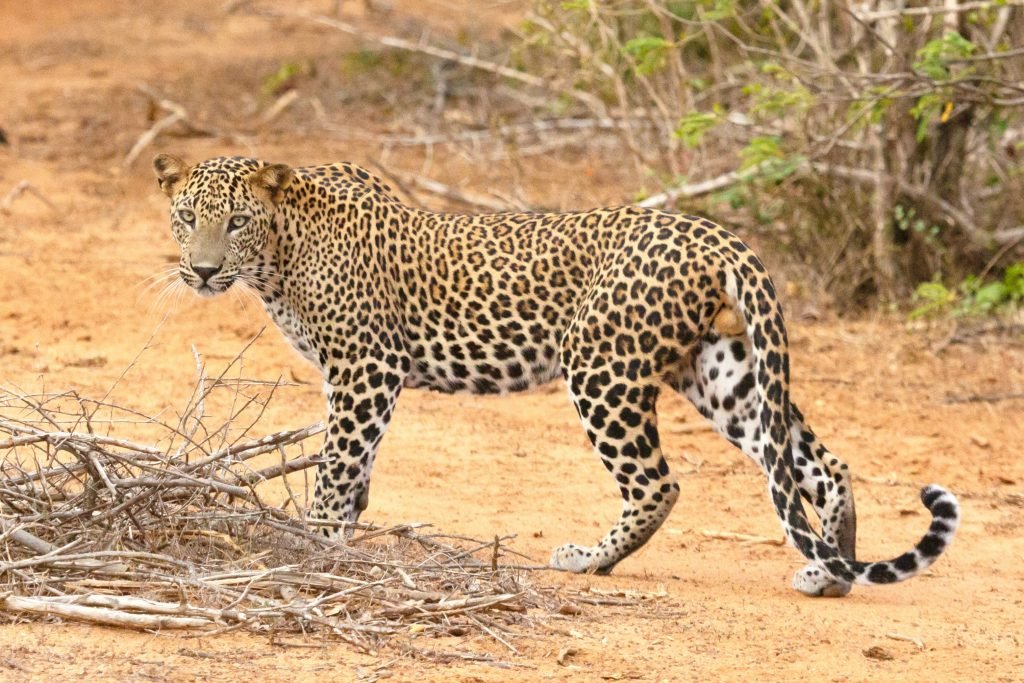
Yala and Udawalawe in the south can be visited for most of the year. The dry months, roughly February to July, make animals easier to spot because they gather at waterholes, but check for dry-season closures in Yala in September and October. Wilpattu in the northwest is best outside the northeast monsoon.
Whale watching
Off Mirissa and the south coast, the season runs from about November to April. Off Trincomalee on the east coast, it's roughly May to October, though operators quote slightly different months, so check with them before you book.
The hill country and the train to Ella
January to April is the most reliable time for clear views. The hill country gets rain from both monsoons, so pack a light rain jacket whenever you go. Mornings tend to be clearer than afternoons, which is a good reason to take a morning train.
For now, the scenic train only runs between Nanu Oya and Badulla, via Ella. Plan to reach Nanu Oya (the station for Nuwara Eliya) by road. Our Kandy to Ella train guide explains how, and we update it when the line status changes.
Climbing Adam's Peak
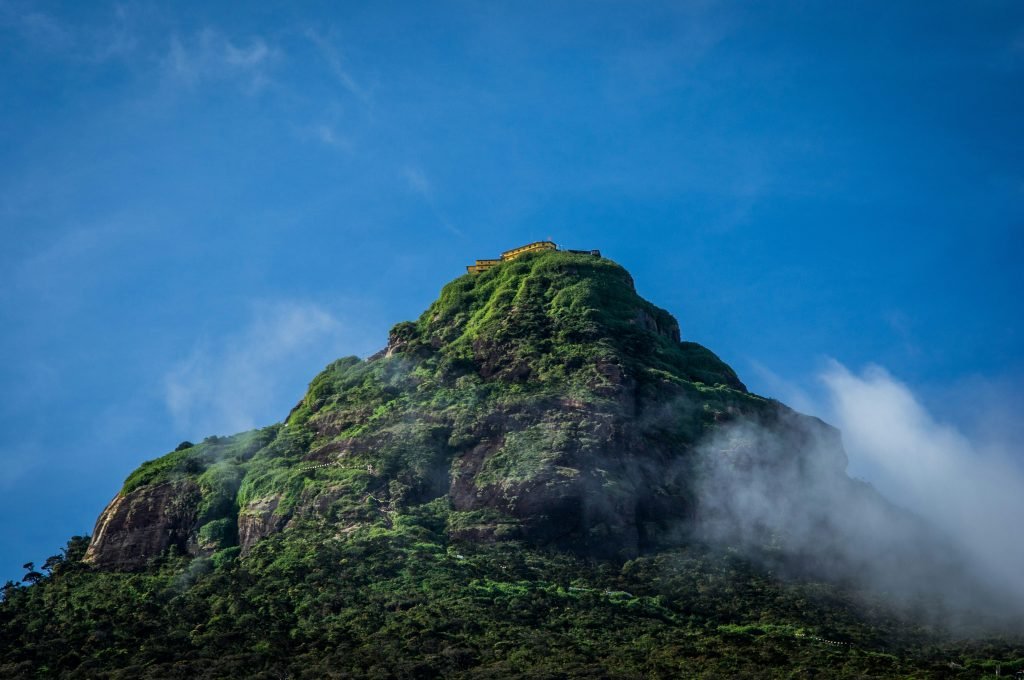
Climb during the pilgrimage season, from the December Poya to Vesak Poya in May. The path is lit and the tea stalls along the way are open. Weekends and Poya days are very crowded. Outside the season you can still climb, but the path is dark, the stalls are closed, and the weather is much wetter.
Is there a bad time to visit Sri Lanka?
Not really, as long as you pick the right region. The only time that's tricky for a full-island trip is October and November, when the inter-monsoon can bring rain to both coasts at once. Even then, many travellers have a great trip by focusing on the Cultural Triangle and hill country and accepting a few wet afternoons.
If you're planning a two-week trip that covers several regions, see our 2-week Sri Lanka itinerary.
Frequently asked questions
What is the best month to visit Sri Lanka?
March is a strong all-round choice: the south and west coasts are still in their dry season, the east coast has dried out, and the hill country usually has clear mornings. February is also excellent if you're sticking to the south, west and hill country.
Is it worth visiting Sri Lanka during the monsoon?
Yes, if you go to the side of the island the monsoon isn't hitting. During the southwest monsoon (May to September), head to the east coast and the Cultural Triangle. During the northeast monsoon (December to February), stick to the south, west and hill country.
When is the rainy season in Sri Lanka?
The southwest coast and hills are wettest from May to September. The north and east are wettest from about October to January. October and November can bring showers anywhere on the island.
Is December a good time to visit Sri Lanka?
For the south and west coasts and the hill country, yes, especially from mid-December. It's also when the Adam's Peak season starts. The east coast and the north are wet in December, and late-year cyclones are possible, so check forecasts close to your trip.
Is the train to Ella running?
Partly. As of November 2026, trains run between Nanu Oya, Ella and Badulla, but not from Colombo or Kandy. See our train guide for the latest status.