Yes, Sri Lanka is a safe country to visit for most travellers, including women travelling alone, as long as you take normal precautions. The real risks are everyday ones: road accidents, rough seas, petty theft, tuk-tuk overcharging and, for women, unwanted attention and harassment in crowded places. Most visits are trouble-free, and none of the UK, US or Canadian governments advises against travel to any part of the island.
This guide covers what the official travel advisories actually say, the scams and risks worth knowing about, practical advice for solo women, and the emergency numbers to save in your phone. Advisory wording and phone numbers were checked on official government pages in November 2026.
Sri Lanka safety at a glance
| Question | Answer (November 2026) |
|---|---|
| Overall | Safe for most visitors with normal precautions |
| US advisory | "Exercise increased caution" (civil unrest and terrorism) |
| Canada advisory | "Exercise a high degree of caution" (updated 2 November 2026) |
| UK advice | No areas advised against; updated 21 September 2026 with flooding and landslide information |
| Biggest real risks | Road accidents, rip currents, petty theft, card fraud, overcharging |
| Solo women | Generally fine; expect stares and some harassment, mostly in crowded places and at night |
| Emergency numbers | Police 119, ambulance 1990, tourism hotline 1912 |
What the official travel advisories say
It's worth reading your own government's advice before you go, because it affects your travel insurance. Here's what the three most-read advisories said when we checked in November 2026:
- United States: the State Department's Sri Lanka travel advisory says to "exercise increased caution" because of civil unrest and terrorism. It notes that protests can start at short notice and that emergency services are limited in remote areas.
- Canada: the advice is to "exercise a high degree of caution" because of demonstrations, the threat of terrorism and crime. It was last updated on 2 November 2026.
- United Kingdom: the FCDO's Sri Lanka travel advice doesn't advise against travel to any area. It was updated on 21 September 2026 with information about heavy rainfall, flooding and landslides.
All three mention terrorism. The UK advice says attacks "cannot be ruled out" and could target places foreigners visit, such as hotels, beaches, tourist sites and places of worship. This is the same kind of general warning given for many countries, and day-to-day travel isn't affected, but it's a good reason to keep an eye on local news and avoid large protests and demonstrations.
The common risks and scams
Most problems visitors run into are minor and avoidable. These are the ones to know about.
Tuk-tuk overcharging
This is the most common complaint. Many tuk-tuks don't have a working meter, so always agree the fare before you get in, or use a ride-hailing app. PickMe (a Sri Lankan app) and Uber both operate in Sri Lanka, and app fares are usually much lower than street prices. A January 2026 AsiaNews report described tourists in Ella paying Rs. 2,800 for a trip that cost about Rs. 1,500 on PickMe.
Be aware that in some tourist spots, local tuk-tuk stands try to stop app drivers from picking up passengers. The same report mentions incidents in Ella, Nuwara Eliya, Weligama, at Kandy railway station and at the airport. If an app pickup turns into an argument, don't get involved: agree a price with a local driver or walk a little further before booking.
Petty theft and card fraud
The UK advice mentions an increase in low-level opportunistic crime, including bag snatching by people on mopeds, and says bank card fraud is common. Carry your bag on the side away from the road, keep your phone out of reach of passing bikes, and use ATMs inside banks or shopping centres where you can. Our guide to daily trip costs in Sri Lanka will help you judge how much cash to carry.
Drink spiking
Both the UK and Canadian advice warn about drink spiking. Buy your own drinks, watch them being poured, and don't leave them unattended, especially at beach parties.
Friendly strangers and "special" tours
Sri Lankans are famously friendly, and most people who start a conversation simply want to chat. Be more careful with anyone who steers you towards a particular shop, gem dealer, "festival" or tour you didn't plan. Politely say no and move on.
Road safety
For most visitors, the roads are the biggest day-to-day risk. The UK advice describes driving as erratic, with frequent accidents, particularly at night. Canada describes buses as generally unsafe. A few practical rules:
- Avoid long road journeys after dark where you can.
- If you hire a driver, choose one recommended by your accommodation or a licensed operator, and ask them to slow down if you feel unsafe.
- Don't rent a scooter or car unless you're an experienced driver. You need an International Driving Permit (1949 convention) and a Sri Lankan recognition permit to drive legally.
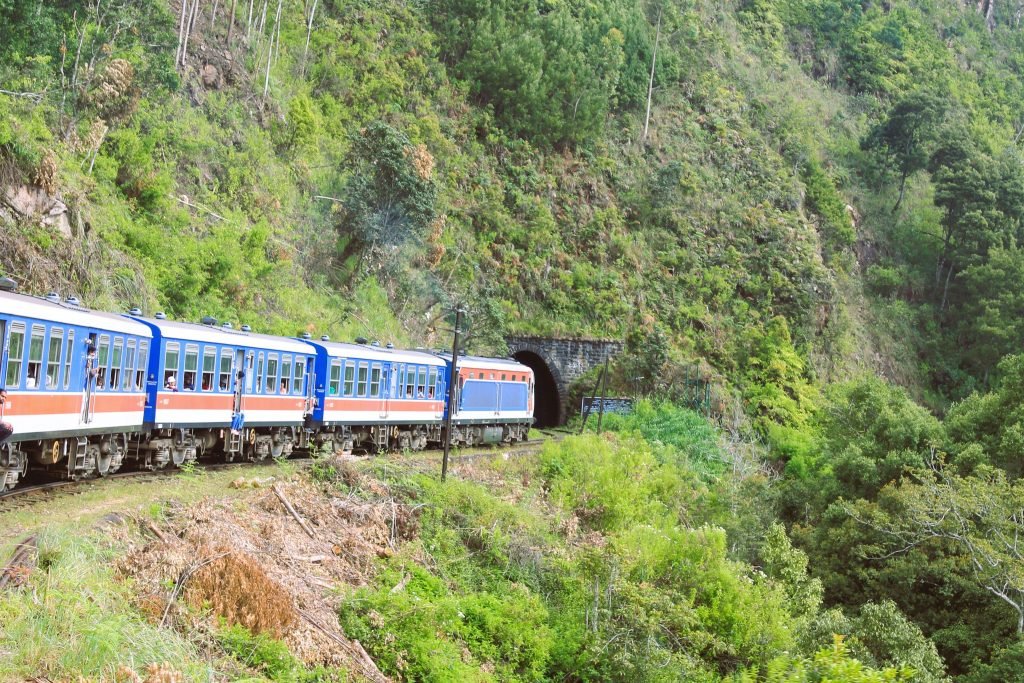
- Trains are a relaxed way to travel, but check what's running first. After Cyclone Ditwah in November 2025, the hill country line is open only between Nanu Oya, Ella and Badulla, and Colombo to Kandy to Nanu Oya trains are suspended. See our Kandy to Ella train guide for the latest.
Is Sri Lanka safe for solo women?
Many women travel around Sri Lanka alone and have a great time. It's still worth being realistic. The UK advice says women continue to report verbal and physical harassment by men, most often in markets, bus and train stations, at sporting events and at tourist sites, and occasionally in tuk-tuks and taxis at night. Canada's advice says women are often the target of unwanted attention, and that reports of sexual assault against foreign travellers are increasing.
In practice, that usually means staring, comments, and men trying to start conversations or sit too close on a crowded bus. These tips help:
- Dress modestly away from the beach. Covering shoulders and knees attracts less attention in towns and is required at temples anyway.
- Use apps or arranged transport at night. A PickMe or Uber ride is tracked and the fare is fixed. Otherwise, ask your guesthouse to call a driver they know.
- Choose seats carefully on buses and trains. Sit next to other women or families where possible.
- Be vague about your plans. You don't need to tell strangers where you're staying or that you're travelling alone.
- Be firm. A clear, loud "no" and moving away usually ends unwanted attention. If it doesn't, go somewhere busy and call for help.
- Stay connected. A local SIM or eSIM means maps, ride apps and calls work everywhere. Our Sri Lanka SIM card guide explains what to buy at the airport.
- Know who to call. Sri Lanka has a Women's Help Line on 1938, and the 1912 tourism hotline can connect you to the Tourism Police for harassment complaints.
Choosing well-reviewed guesthouses, especially ones run by families, also makes a difference. Hosts are usually happy to arrange trusted drivers and tell you which areas to avoid at night.
Beaches and the sea
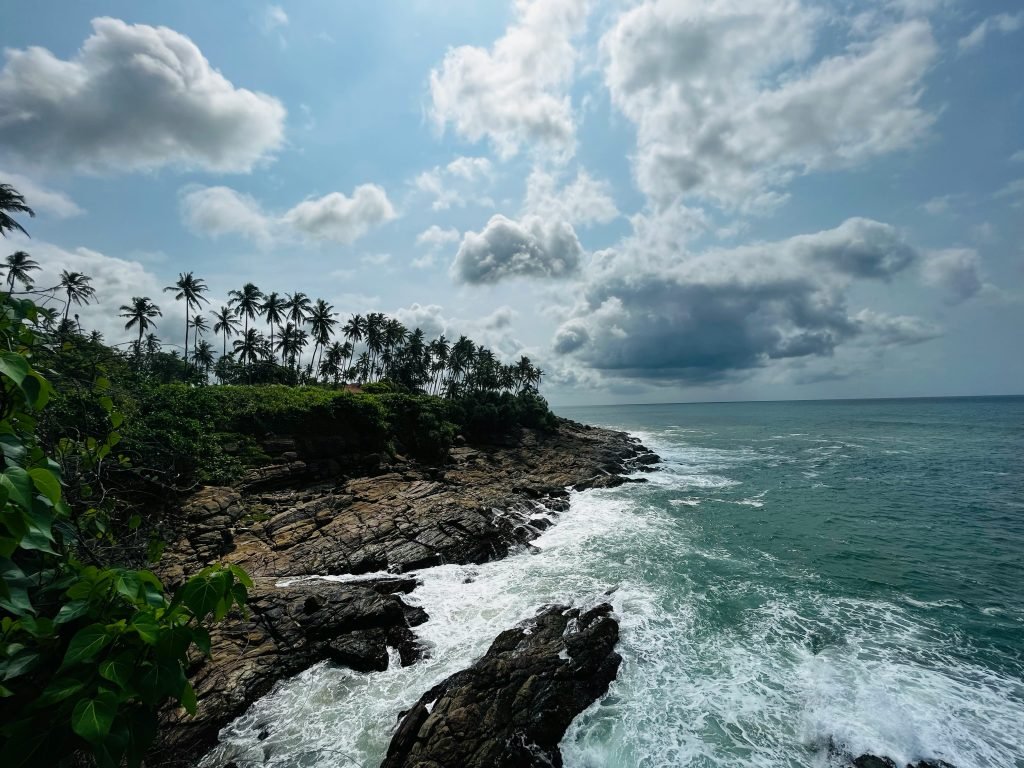
The sea is a bigger danger than people. The UK advice warns that many beaches have dangerous surf or rip tides at certain times of the year. The rough season depends on the coast: the south and west are calmer roughly from December to April, and the east coast from about May to September. Our guide to the best time to visit Sri Lanka explains the monsoons coast by coast.
- Swim where locals swim, and ask your hotel which beaches are safe that day.
- Look out for red flags and lifeguards, and stay out of the water if waves are breaking hard on the shore.
- Never swim after drinking, or alone at night.
- Nude and topless sunbathing aren't allowed.
Weather, wildlife and health
Monsoon rain and flooding. Heavy rain can cause floods and landslides, especially in the hill country. The UK added flooding and landslide information to its advice in September 2026. During heavy rain, follow local warnings, avoid steep hill roads and waterfalls, and check whether your route is open. The Disaster Management Centre's number is 117.
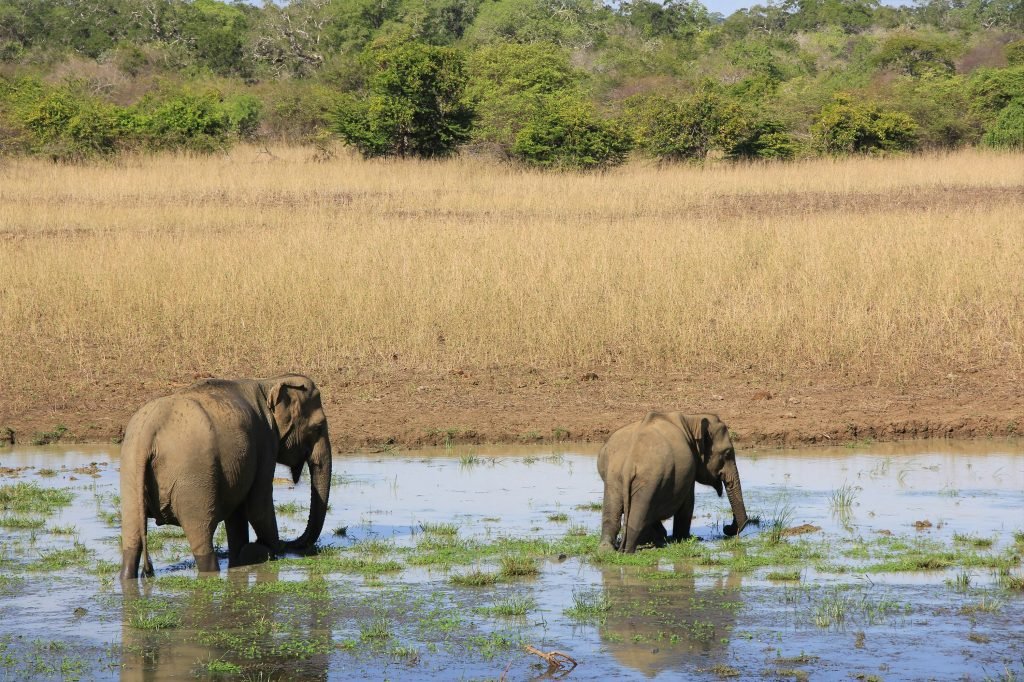
Wildlife. The UK advice notes that wild elephants and crocodiles occasionally attack people. Never approach elephants on foot or feed them from a vehicle, don't swim in rivers or lagoons where crocodiles may live, and only go on safari with licensed jeeps. Stray dogs are common and some carry rabies, so avoid touching them and get any bite or scratch treated straight away.
Health. Get comprehensive travel insurance that covers medical evacuation, and check it covers any activities you plan, such as surfing or hiking. Use insect repellent to reduce the risk of dengue, and drink bottled or filtered water.
Laws and etiquette that can get you in trouble
A few local rules catch visitors out, and some carry serious penalties:
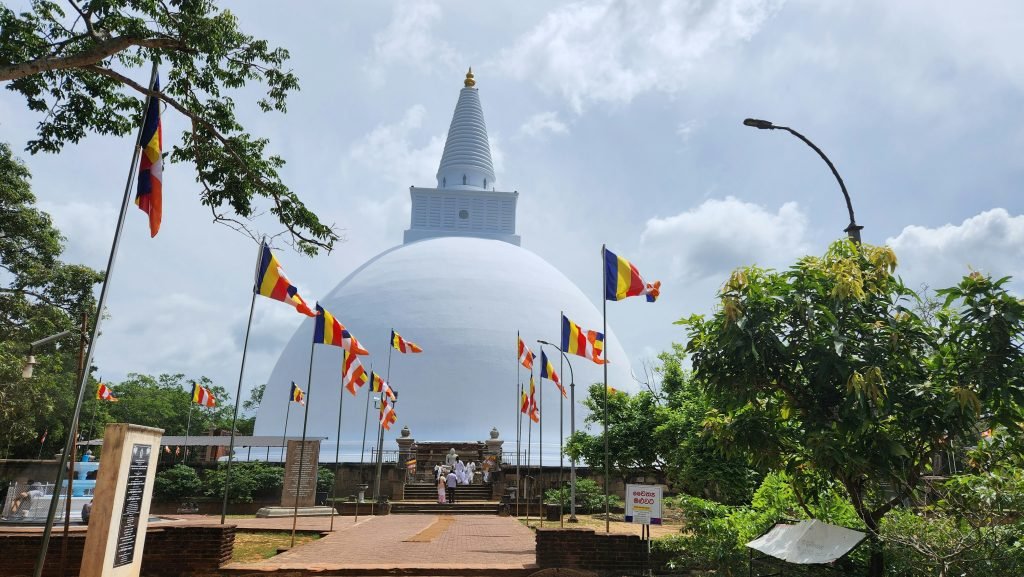
- Buddha images. Disrespecting images of the Buddha is a serious offence. According to the UK advice, visitors with visible Buddha tattoos can be refused entry or deported. Don't pose for photos standing in front of a Buddha statue.
- Temples. Cover your shoulders and legs, and take off your shoes (and hat) before entering.
- Drugs. All illegal drugs, including cannabis, carry severe penalties, including long prison sentences.
- Photography and drones. Don't photograph military sites or government buildings, and check the rules before flying a drone.
- LGBTQ+ travellers. Same-sex sexual activity is illegal under Sri Lankan law, although the UK advice says it isn't aware of prosecutions. Be discreet with public displays of affection.
- Landmines. In the north and east, some marked minefields remain. Stay on roads and cleared paths and take warning signs seriously.
Emergency numbers to save
| Service | Number |
|---|---|
| Police emergency | 119 |
| Ambulance (Suwa Seriya, free) | 1990 |
| Fire and rescue | 110 |
| Sri Lanka Tourism hotline (24 hours; can connect you to the Tourism Police) | 1912 |
| Women's Help Line | 1938 |
| Disaster Management Centre | 117 |
| Colombo General Hospital Accident Service | 011 269 1111 |
The 1912 tourism hotline is run by the Sri Lanka Tourism Development Authority and works from any phone network. It's also worth saving your embassy's number, and registering your trip with your government's travel service if it offers one.
One more practical note: the UK advice mentions that fuel is currently rationed with a weekly quota. This doesn't usually affect visitors using drivers or public transport, but if you're renting a vehicle, ask locally how it works.
FAQ
Is Sri Lanka safe to visit right now?
Yes, for most travellers. As of November 2026, none of the US, UK or Canadian advisories tells people to avoid any part of Sri Lanka. Check your government's advice and the local weather before you go, because heavy rain can cause flooding and landslides.
Is Sri Lanka safe for solo female travellers?
Generally yes, but expect unwanted attention. Harassment is most common in crowded places and in tuk-tuks or taxis at night. Dress modestly away from the beach, use ride apps or trusted drivers after dark, and keep 119 and the 1938 Women's Help Line in your phone.
Are tuk-tuks safe in Sri Lanka?
They're a normal way to get around, but agree the fare before you set off or use PickMe or Uber, which fix the fare and track the trip. At night, women travelling alone should prefer app rides or a driver arranged by their accommodation.
What is the emergency number in Sri Lanka?
Call 119 for the police and 1990 for a free ambulance. The 1912 tourism hotline can help visitors and connect you to the Tourism Police.
Can I drink the tap water in Sri Lanka?
It's safest to drink bottled or filtered water. Ask your accommodation whether it has filtered water for refills.