In Sri Lanka you pay almost everything in Sri Lankan rupees (LKR, written Rs.). Use bank ATMs for cash, use a Visa or Mastercard at hotels, bigger restaurants and supermarkets, and keep plenty of small notes for tuk-tuks, buses, temples and street food. Tipping is not compulsory, but small tips for good service are normal and appreciated.
Updated November 2026. The rupee was about Rs. 333 to US$1 on 9 November 2026 (mid-market rate, XE), and the dollar figures below use that rate. Bank fees and limits change often, so treat them as a guide and check the screen before you confirm any withdrawal.
Money in Sri Lanka at a glance
| Question | Short answer (2026) |
|---|---|
| Currency | Sri Lankan rupee (LKR). About Rs. 333 = US$1 in November 2026 |
| Best way to get cash | Bank ATMs, choosing to be charged in LKR |
| Typical local ATM fee for foreign cards | Roughly Rs. 400–1,000 (US$1.20–3) per withdrawal, plus your own bank's fees |
| Typical maximum per withdrawal | Often Rs. 40,000–100,000 (US$120–300), depending on the bank and machine |
| Cards | Visa and Mastercard widely accepted in hotels and larger shops; Amex much less so |
| Cash needed for | Tuk-tuks, buses, small eateries, markets, temples, many entry tickets and tips |
| Restaurant tipping | Check for a service charge first; if none, about 10% for good service |
| Declaring foreign currency | Arriving with more than US$15,000 (or equivalent); leaving with more than US$10,000 |
The Sri Lankan rupee
The rupee comes in coins and notes. The highest note in everyday use is Rs. 5,000 (about US$15), and it can be hard to break in small shops and tuk-tuks. Ask for some smaller notes when you change money, and break big notes at supermarkets, hotels and fuel stations whenever you can.
Many hotels, tour companies and some heritage sites quote prices for foreigners in US dollars. In most cases you still pay in rupees at the day's rate. For example, Sigiriya is priced at US$35 for most foreign adults, but you pay the rupee equivalent at the ticket counter, according to the tuktukrental.com entrance fee list (verified against the Central Cultural Fund in March 2026). Some places, like the Temple of the Tooth in Kandy (Rs. 2,000), are priced in rupees outright.
Dollars are useful as a backup to exchange, not as a way to pay for daily things. Don't expect a tuk-tuk driver or a small guesthouse to take foreign notes.
ATMs in Sri Lanka: fees, limits and tips
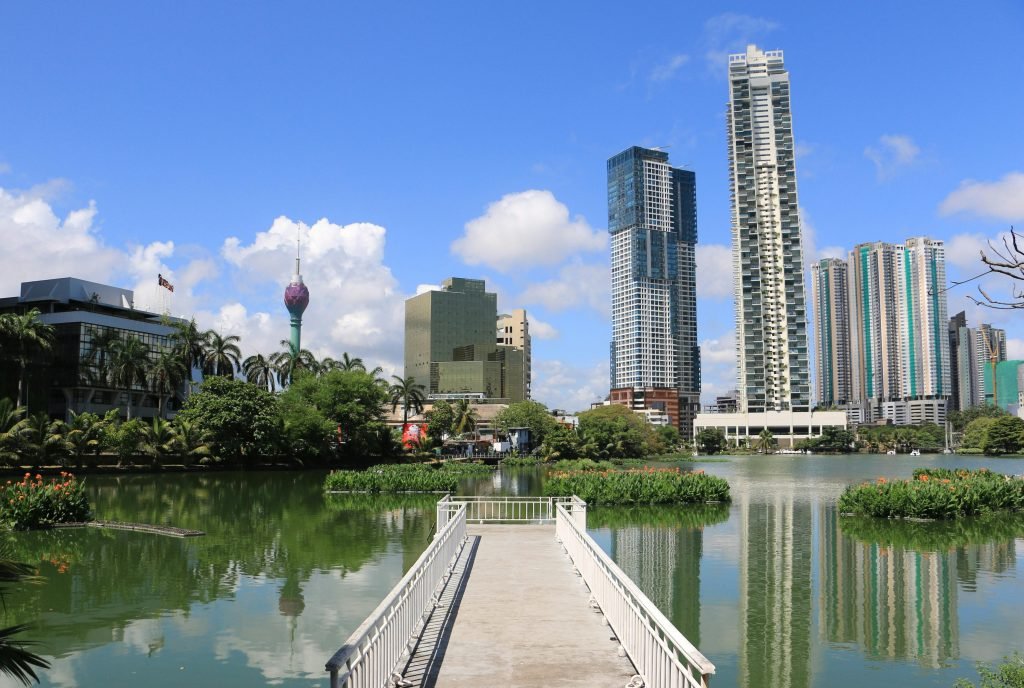
ATMs are the easiest way to get rupees. You'll find them at the airport arrivals hall, in every city and in most towns that tourists visit. They are scarcer in rural areas, national parks and smaller beach villages, so take out enough before you leave a town.
Fees. Most Sri Lankan banks charge a fee when you use a foreign card. Recent 2026 traveller guides put it at roughly Rs. 400–1,000 per withdrawal, and it varies by bank and card. Some banks are reported to waive the fee for certain foreign cards, but these lists change and disagree, so don't rely on them. The machine should show the fee before you confirm. Your home bank may add its own foreign transaction or ATM fee on top.
Limits. The maximum per withdrawal is usually somewhere between Rs. 40,000 and Rs. 100,000 (US$120–300), depending on the bank and the machine. Because the local fee is charged per withdrawal, it is usually cheaper to take out the maximum each time rather than small amounts.
Always choose to be charged in LKR. Some ATMs and card machines offer to convert the amount into your home currency for you. This is called dynamic currency conversion, and the rate is almost always worse. Pick "LKR", "without conversion" or "decline conversion".
A few more tips:
- Bring both a Visa and a Mastercard if you can. Some machines work better with one network than the other.
- Tell your bank you're travelling so your card isn't blocked on the first withdrawal.
- Use ATMs attached to bank branches during the day, so you can get help if a machine keeps your card.
- Keep your ATM slips. They can help if you want to change leftover rupees back before you fly home.
Exchanging cash: airport, banks and money changers
If you bring cash, US dollars, euros and pounds are the easiest to exchange. Bring clean notes in good condition.
- At the airport. Bandaranaike International Airport has exchange counters in the arrivals hall, open around flight times. It is a sensible place to change enough for your first couple of days and your transfer. Compare the rates on the boards, as they vary between counters.
- At banks. Bank branches change cash at fair rates. Bring your passport and expect to queue. Banks usually close mid-afternoon on weekdays and many are closed at weekends.
- Licensed money changers. In Colombo and the tourist towns, licensed changers can offer good rates. Use only established, licensed businesses and count your money at the counter.
- Hotels. Convenient, but usually the worst rate. Use them only for small amounts.
Never change money with people on the street, however good the rate sounds. Keep your exchange receipts, as you may be asked for them if you want to change rupees back at the airport.
Paying by card and with apps
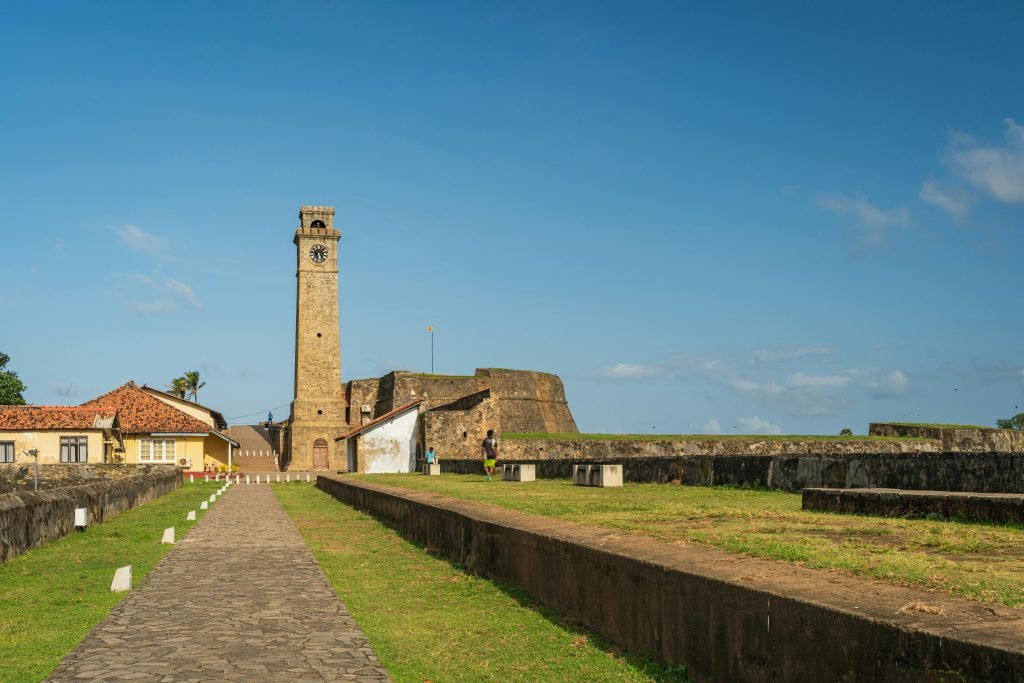
Visa and Mastercard are accepted at most mid-range and upmarket hotels, larger restaurants, supermarkets, malls and many shops in tourist areas. American Express has much more limited acceptance, so don't make it your only card.
Smaller guesthouses, local eateries, markets and family-run tour operators often prefer cash. Some places add a surcharge for card payments, and some offer a small discount for cash, so it is worth asking before you pay.
Entry tickets. At many heritage sites and national parks, plan to pay in rupee cash. Card machines are not guaranteed, especially when queues are long or the connection is down. For some cultural sites, including Sigiriya, the Central Cultural Fund sells tickets online, which lets you pay by card in advance.
Ride apps. PickMe and Uber both operate in Sri Lanka and are the easiest way to get a fair fare for tuk-tuks and cars in cities. Most tuk-tuk rides are still paid in cash, so carry small notes even if you book through an app. If the app shows card payment for your ride, it should be charged in LKR.
Mobile data. You'll need data for ride apps and maps. Our Sri Lanka SIM card and eSIM guide explains which to buy at the airport.
How much cash to carry
There's no single right amount, but recent traveller guides suggest roughly Rs. 5,000–15,000 (US$15–45) a day per person in cash, on top of what you pay by card. You'll need more cash on days with tuk-tuk rides, entry fees, safaris or tips, and less if your hotel and driver are prepaid.
A simple approach that works for most people:
- Change or withdraw enough at the airport for two or three days.
- Top up from ATMs in the bigger towns (Colombo, Kandy, Ella, Galle and so on) before heading somewhere remote.
- Split your cash between a wallet for the day and a backup stash in your bag or hotel safe.
- Keep a pile of Rs. 100, 500 and 1,000 notes for tuk-tuks, tips and small purchases.
For full daily budgets, from backpacker to luxury, see how much a trip to Sri Lanka costs in 2026.
Tipping in Sri Lanka: who and how much
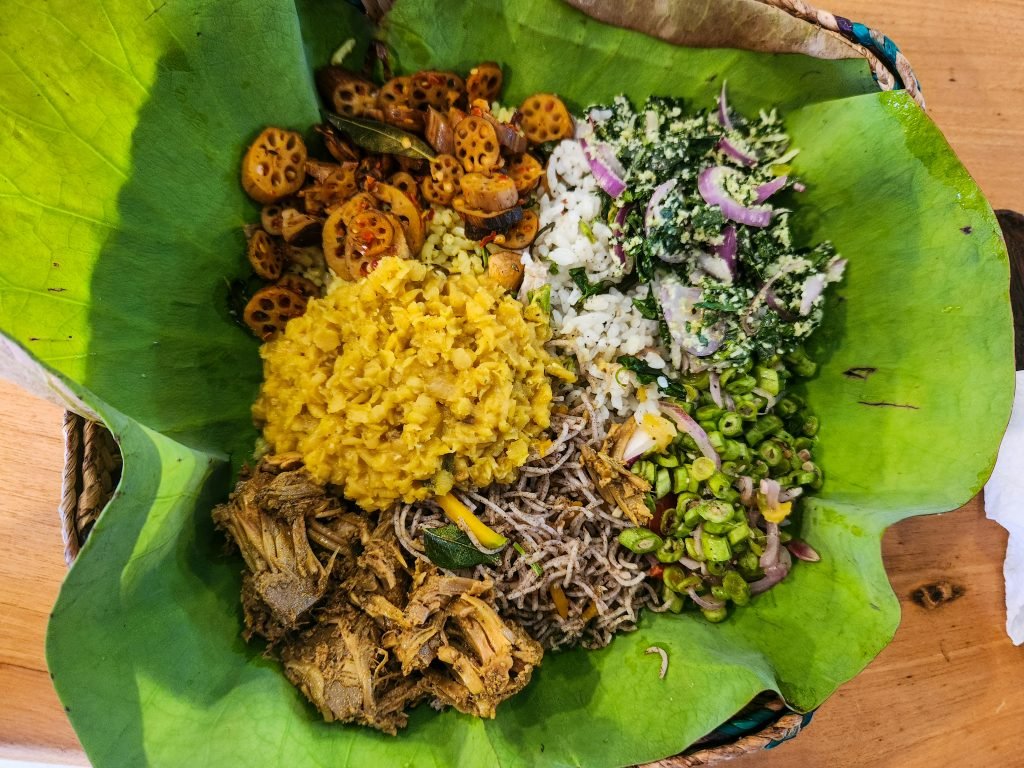
Tips are not compulsory in Sri Lanka, but they are part of the culture in tourism, and many people in hotels, transport and guiding earn modest wages. Tip in rupees, not foreign coins. The amounts below are typical suggestions from tour companies and recent guides. Adjust them for the quality of service and your budget.
| Who | Typical tip |
|---|---|
| Restaurants with a service charge on the bill | Nothing extra needed; a little more for great service |
| Restaurants without a service charge | About 10% for good service |
| Small local eateries | Round up, or up to about Rs. 100 |
| Private driver (multi-day trip) | About Rs. 3,500–4,500 (US$10.50–13.50) per day, given at the end |
| Licensed site guide | Often around Rs. 1,000–1,500 (US$3–4.50) per hour of guiding |
| Hotel or villa staff | A shared tip at checkout, or a small amount for porters and housekeeping |
| Tuk-tuk drivers | Not expected; rounding up is a nice touch |
| Spa therapists | Around 10% if there is a tip box |
Check the bill first. Many mid-range and upmarket restaurants add a 10% service charge, and some add taxes too. If it's already there, you don't need to add a full tip on top. Small local places usually don't add one.
Drivers and guides. If you hire a driver for several days, the usual approach is to tip at the end of the trip in one envelope, rather than every day. For safari jeep drivers and trackers, there's no fixed rate; tip at your discretion if they work hard to find wildlife and drive responsibly. If you're on a group tour, the company will usually tell you its suggested tipping amounts before you travel.
Unofficial "guides". At some temples and sites, people may offer to show you around and then ask for money. If you don't want a guide, say no politely at the start. If you do accept, agree the price before you set off.
Currency rules when you arrive and leave
According to Sri Lanka Customs:
- You must declare foreign currency on arrival if it exceeds US$15,000 or the equivalent. Customs will give you a declaration receipt.
- You must declare it when leaving if it exceeds US$10,000 or the equivalent.
- If you want to take declared money back out, even an amount under US$15,000, you should have declared it on arrival.
Rules on how many rupees you can carry in or out are less clear, and published figures disagree. Most travellers only carry a small amount, but if you plan to take a large sum of rupees across the border, check with Sri Lanka Customs first. In practice, it's best to spend or change your rupees before you leave.
Avoiding common money hassles
- Agree prices first. For tuk-tuks without a meter or app, agree the fare before you get in.
- Count your change. Mistakes happen, especially with similar-looking notes.
- Watch out for commission. Some drivers earn a commission for taking you to particular shops, spice gardens or gem dealers. You're never obliged to buy.
- Cover your PIN at ATMs and avoid machines that look tampered with.
- Pay in rupees. When offered the choice between your home currency and LKR, choose LKR.
For more on staying safe, read our guide to whether Sri Lanka is safe.
Frequently asked questions
Should I bring US dollars to Sri Lanka?
A modest amount in clean notes is a useful backup, but you'll pay for almost everything in rupees. Most travellers rely on ATMs and cards and exchange a little cash on arrival.
Are there ATMs at Colombo airport?
Yes. There are bank ATMs and exchange counters in the arrivals area of Bandaranaike International Airport, so you can get rupees as soon as you land.
Can I use my credit card everywhere in Sri Lanka?
No. Cards work well in hotels, larger restaurants and supermarkets, but tuk-tuks, buses, markets, small eateries and many ticket counters want cash.
Is tipping expected in Sri Lanka?
It isn't compulsory, but it is common in tourism. Check restaurant bills for a service charge, round up for tuk-tuks, and tip drivers and guides for good service.
How much cash should I carry per day?
Around Rs. 5,000–15,000 (US$15–45) per person is a reasonable guide, depending on your plans. Carry more on days with entry fees, safaris or lots of tuk-tuk rides.