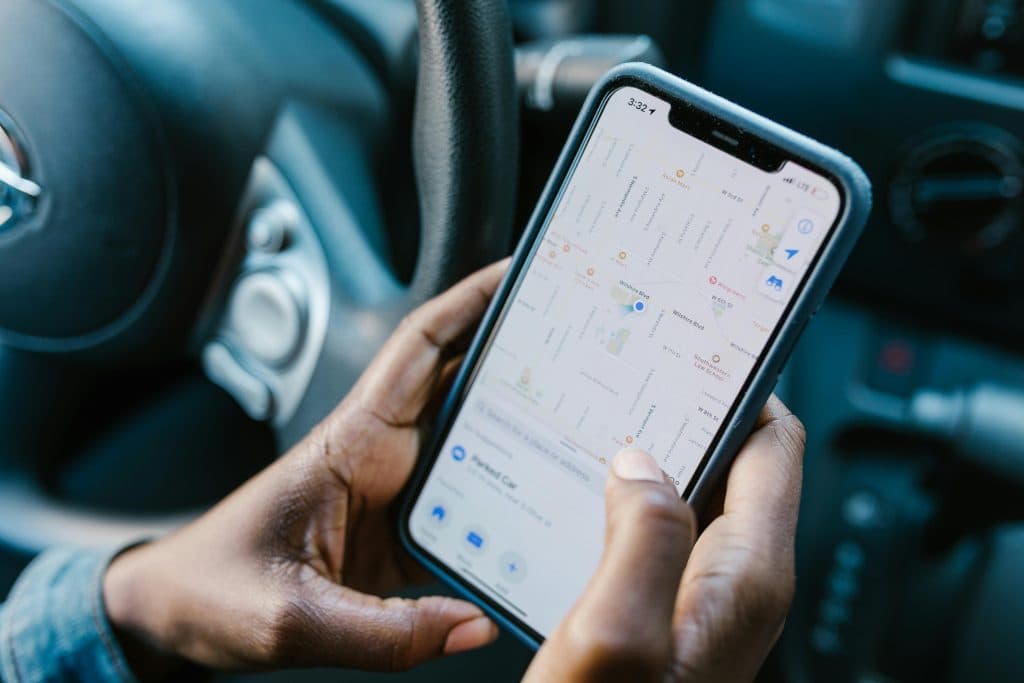
A metered tuk-tuk in Sri Lanka costs Rs. 110 for the first kilometre and Rs. 90 for each kilometre after that in 2026, so a 5 km ride should be under Rs. 500 (about US$1.50). Ride apps like PickMe and Uber show you a fixed price before you book, usually close to the meter rate. In tourist towns without meters you'll negotiate, and the first price you hear is often well above what an app would charge.
Updated November 2026. The meter fares above were set by the Western Province Road Passenger Transport Authority on 23 March 2026. On 2 November 2026, after a fuel price rise, one drivers' association proposed raising them to Rs. 120 and Rs. 100. Other associations opposed it, and no new rate had been approved by mid-November. We'll update this guide if fares change.
Tuk-tuk prices at a glance
| Ride | Meter fare (2026) | Roughly in US$ |
|---|---|---|
| First kilometre | Rs. 110 | US$0.33 |
| Each extra kilometre | Rs. 90 | US$0.27 |
| 2 km hop across town | Rs. 200 | US$0.60 |
| 5 km ride | Rs. 470 | US$1.40 |
| 10 km ride | Rs. 920 | US$2.75 |
| Airport to Negombo by PickMe tuk | About Rs. 750 on a recent ride | US$2.25 |
The kilometre examples are worked out from the official meter rate. Waiting time, night rides and app surge pricing can add to them. Dollar figures use about Rs. 333 to US$1 (Central Bank of Sri Lanka, early November 2026).
How tuk-tuk fares work
There are three ways you'll pay for a tuk-tuk in Sri Lanka:
- By the meter. Many tuk-tuks in and around Colombo have a fare meter. The official rate is Rs. 110 for the first kilometre and Rs. 90 for each one after, raised by Rs. 10 on 23 March 2026 because of fuel costs (Newswire, March 2026).
- Through an app. PickMe and Uber calculate the fare from distance, time and demand and show it before you confirm.
- By negotiation. Outside the Colombo area, and in beach and hill towns, most tuk-tuks have no meter or don't use it. You agree a price before you get in.
Fares follow fuel prices. When fuel goes up, drivers' associations push for a fare rise, and meters are recalibrated if one is agreed. That's what happened in March 2026. In November 2026 drivers asked for another Rs. 10 per kilometre (Ada Derana, November 2026), but it hadn't been approved when we checked.
Ride apps: PickMe and Uber
For most visitors, a ride app is the easiest way to pay a fair price without haggling.
PickMe
PickMe is Sri Lanka's main ride-hailing app. You can book a Tuk, a motorbike, or cars in several sizes: Flex (small cars like the Suzuki Alto), Mini, Car (Prius or Axio class), Mini Van and Van. The app shows the payment options available, which can include cash, card or a digital wallet. You sign up with a phone number, so it helps to have a local SIM or eSIM before you land.
Fares depend on distance, travel time, vehicle type and demand, and surge pricing can apply at busy times. As a guide, one January 2026 report put app tuk-tuk fares at about Rs. 80–100 per kilometre.
Uber
Uber also runs in Sri Lanka, with upfront prices. It started in Colombo and has been adding towns. In April 2026 it launched in Kegalle, where you can book cars, tuks and motorbikes. Coverage outside the bigger towns is patchier than PickMe's, so it's worth having both apps installed.
Why apps can be harder to use in tourist towns
App fares are often much lower than street prices, and that has caused friction. In January 2026, AsiaNews reported that PickMe drivers in Ella had been harassed and stopped from picking up passengers. It also named tension at places including the airport, Kandy railway station, Nuwara Eliya and Weligama. Two tourists quoted in the report said an app quoted Rs. 1,500 for Ella to Haputale, while street tuk-tuks asked Rs. 2,800 (AsiaNews, January 2026).
In practice, this means:
- An app booking in a busy tourist spot may take longer to be accepted, or the driver may ask you to walk a short way to meet them.
- If a driver cancels or asks for extra in cash, you don't have to agree. Cancel and rebook.
- Even if you take a street tuk-tuk, check the app price first. It's the best guide to what's fair.
How to agree a fair price on the street
Outside Colombo you'll often be bargaining. A few habits make it painless:
- Check the distance and the app price first. Use the meter rate (about Rs. 90 a kilometre after the first) or the PickMe quote as your benchmark.
- Agree the total before you get in. Be clear about whether it's per person or for the tuk, and whether it's one way or a return.
- Ask for the meter. In Colombo, many drivers will use it if you ask. If they won't, agree a price or take the next tuk.
- Expect a small minimum. Street drivers rarely go anywhere for less than about Rs. 200, even for a kilometre.
- Carry small notes. Drivers often don't have change for Rs. 5,000. Our guide to money in Sri Lanka covers cash and tipping.
- Stay friendly and be ready to walk away. There's usually another tuk-tuk close by, and a smile works better than a hard bargain over a few rupees.
Tuk-tuk drivers are part of everyday life here and most are honest. Higher first quotes for visitors are common, though, so having a benchmark helps.
Tuk-tuks around the main travel spots
We haven't listed fixed prices for every route, because street prices vary so much by season and time of day. Use the meter rate as a guide (for example, about Rs. 470 for 5 km), then compare it with the app:
- Colombo: the easiest place to use meters and apps. Most rides across the city are short.
- From the airport: a PickMe tuk to Negombo has cost about Rs. 750. For longer trips, see our guide to getting from Colombo airport to Kandy, Ella, Galle and Sigiriya.
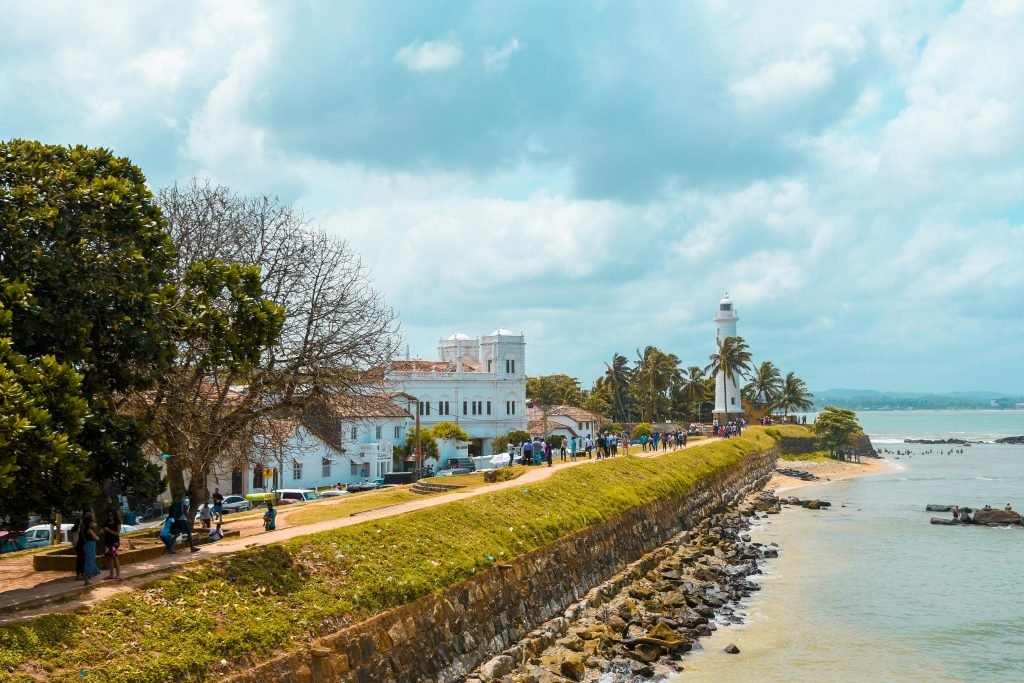
- Galle and the south coast: tuk-tuks are the main way to hop between Galle Fort, Unawatuna and the other beaches. Agree prices in advance.
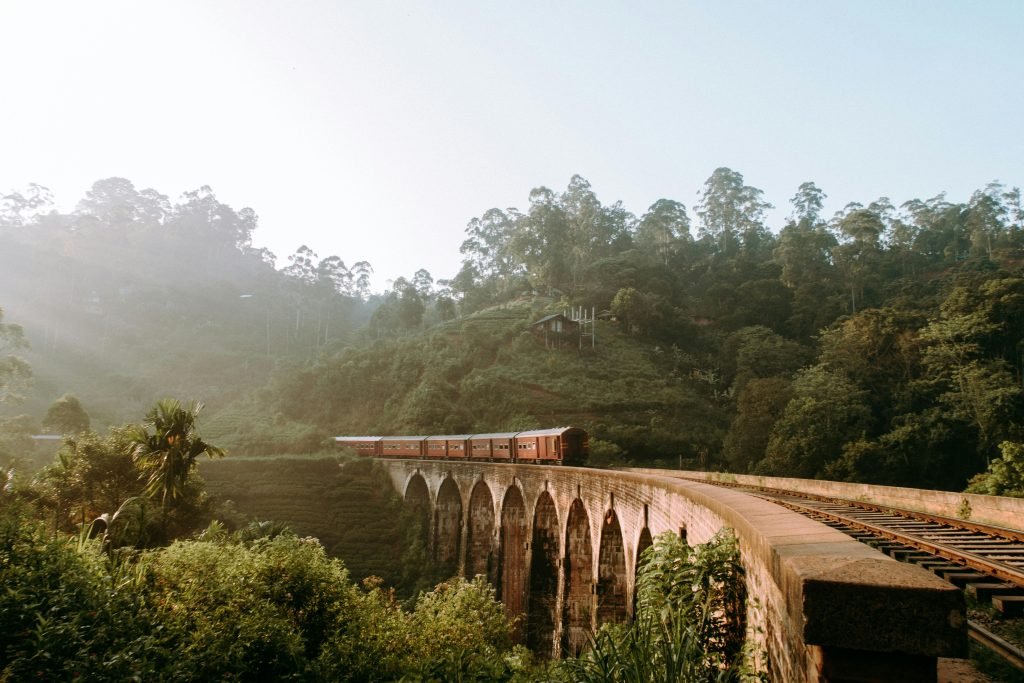
- Ella: handy for Nine Arch Bridge, Ravana Falls and the trailheads. Ella has seen some of the strongest pushback against apps, so expect to negotiate.
- Sigiriya and Dambulla: you'll find tuk-tuks near the main sights, and they can take you between the two.
Hiring a tuk-tuk for half a day or a whole day
For a day of sightseeing around one town, you can hire a tuk-tuk and driver for a few hours or a whole day. The driver waits at each stop. Agree the route, the number of hours and the total price before you set off, and check that waiting time is included. Entrance fees almost never are.
For longer trips between towns, a car with a driver is usually more comfortable and safer on fast roads. Our guide to hiring a driver in Sri Lanka compares the costs.

Can you drive a tuk-tuk yourself?
Yes. Several companies rent tuk-tuks to visitors for self-drive trips around the island. It's a fun way to travel slowly, but Sri Lankan traffic takes some getting used to. Check the licence requirements, insurance and what happens if you break down with the rental company before you book.
Staying safe in a tuk-tuk
- Tuk-tuks have no seat belts or doors. Keep bags on your lap or between your feet, not on the open side.
- Keep your phone inside the tuk-tuk, especially on busy roads.
- At night, an app booking gives you the driver's name and vehicle details.
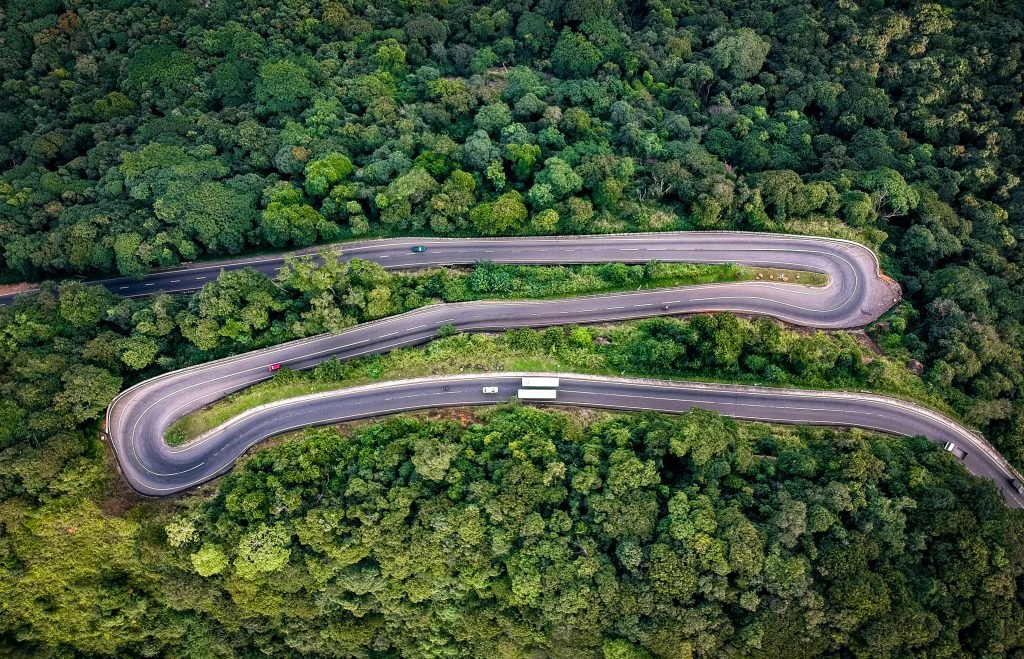
- On hill roads and fast highways, a car is usually the better choice for longer distances.
More general advice is in our guide to staying safe in Sri Lanka.
Frequently asked questions
How much is a tuk-tuk per km in Sri Lanka?
The official meter rate is Rs. 110 for the first kilometre and Rs. 90 for each kilometre after that, since 23 March 2026. A rise to Rs. 120 and Rs. 100 was proposed in November 2026 but not approved by mid-November.
Is PickMe cheaper than a street tuk-tuk?
Usually, yes, especially in tourist areas. App fares are set by distance and demand, while street drivers often start higher for visitors. One January 2026 example was Rs. 1,500 by app against Rs. 2,800 from a street tuk-tuk for Ella to Haputale.
Can I use Uber in Sri Lanka?
Yes. Uber operates in Colombo and a growing number of towns, with cars, tuks and motorbikes in some places. PickMe usually has wider coverage, so install both.
Do I need cash for tuk-tuks?
For street tuk-tuks, yes, in small notes. The apps can show card or wallet payment options, but carry cash in case a driver asks for it.
Should I tip a tuk-tuk driver?
It isn't expected for a short ride. Rounding up is a nice gesture, and a tip is appreciated after a half-day or full-day hire.