A ticket to climb Sigiriya Rock costs US$35 for a foreign adult, paid in rupees at the gate (Rs. 11,760 at the Central Cultural Fund's rate in October 2026). The best time to climb is first thing in the morning, between January and April, before the heat and the tour buses arrive. If you'd rather look at Lion Rock than stand on it, nearby Pidurangala Rock costs Rs. 1,000 and has the classic view.
This guide covers prices, opening hours, what you'll see on the climb, and how to choose between the two rocks, or do both.
Sigiriya at a glance
| Sigiriya (Lion Rock) | Pidurangala Rock | |
|---|---|---|
| Foreign adult ticket | US$35 (Rs. 11,760) | Rs. 1,000 |
| Half ticket | US$20 (Rs. 6,720) | No |
| Climb time (one way) | About 1 hour, longer when busy | 30 to 40 minutes |
| Best time of day | At opening, or late afternoon | Sunrise |
| What you get | Palace ruins, frescoes, Lion's Paws, gardens, museum | The famous view of Sigiriya from across the forest |
| Hardest part | Steep metal stairways near the top | A short boulder scramble at the summit |
Sigiriya prices are from the Central Cultural Fund ticket price list, last updated 14 October 2026 at Rs. 336 to the dollar. The Pidurangala price is from Salt in our Hair's Pidurangala guide, updated November 2026.
What is Sigiriya?
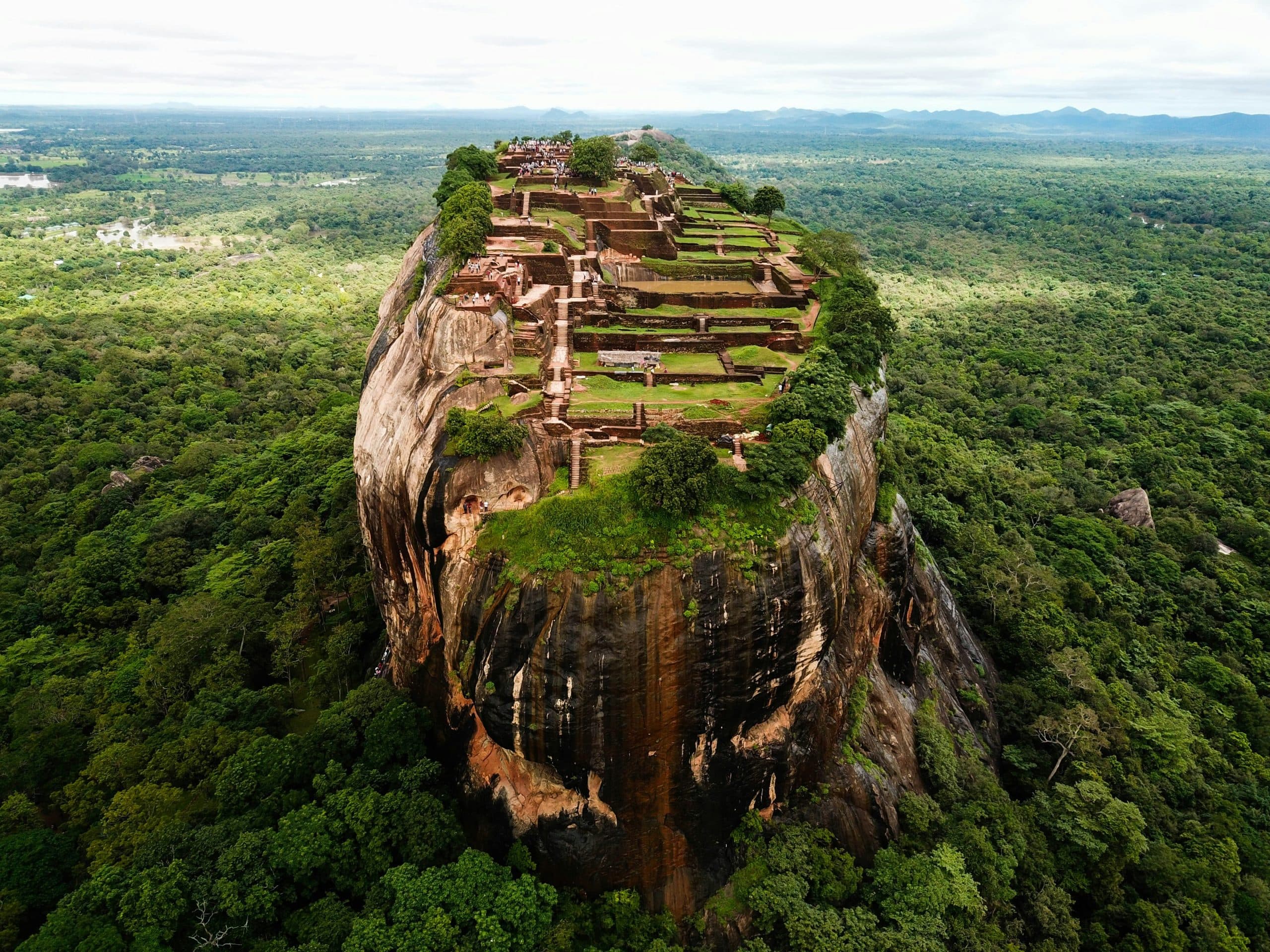
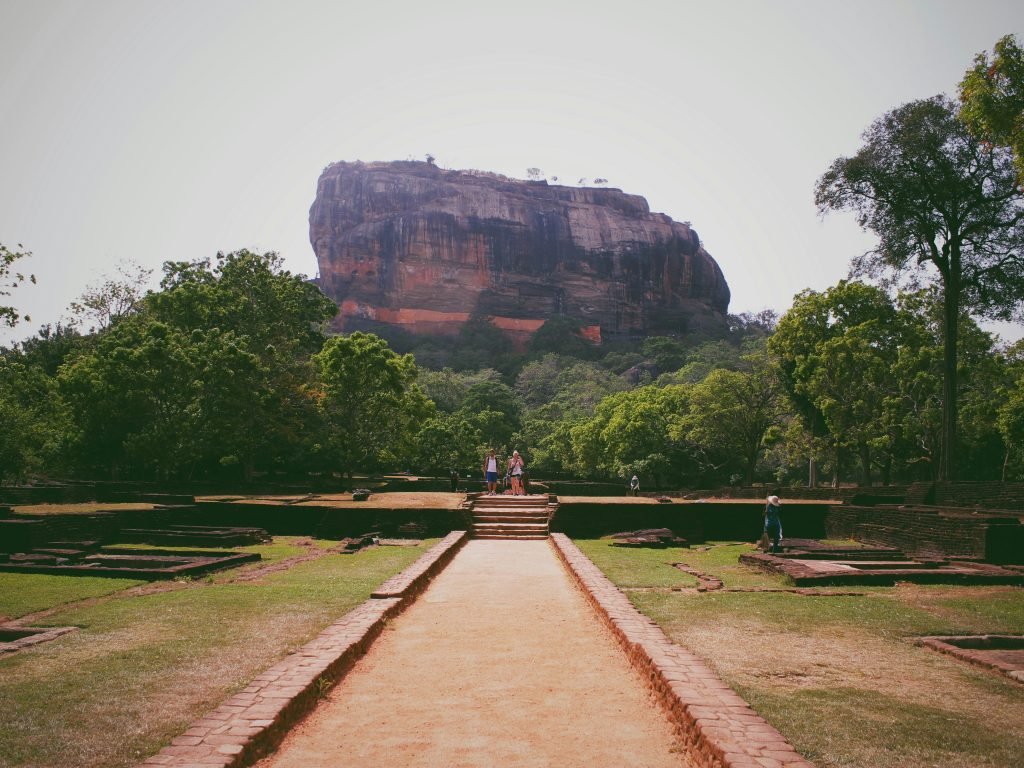
Sigiriya is a granite rock about 180 metres high in the middle of Sri Lanka's Cultural Triangle. In the 5th century, King Kassapa I (who ruled from 477 to 495) built his capital here, with a palace on the flat summit and gardens, moats and walls spread out below. Visitors entered the upper palace through the mouth of a giant brick and plaster lion, which is where the name "Lion Rock" comes from. Today only the lion's paws are left.
It's a UNESCO World Heritage Site (UNESCO listing) and one of the busiest sights in the country, so plan your timing around the crowds.
Sigiriya ticket price in 2026
| Ticket | US$ | Rupees (Oct 2026 rate) |
|---|---|---|
| Sigiriya, full ticket (foreign adult) | 35 | 11,760 |
| Sigiriya, half ticket | 20 | 6,720 |
| Sigiriya Museum only | 6 | 2,016 |
A few things to know:
- The price is set in dollars but charged in rupees. The rupee amount changes with the exchange rate, so expect it to move a little from the figure above.
- Half tickets are generally for citizens of SAARC countries (India, Pakistan, Bangladesh, Nepal, Bhutan, the Maldives and Afghanistan) and for children. Bring your passport, and check the rules at the counter.
- The museum is included with the main Sigiriya ticket. You only pay the separate US$6 if you want the museum on its own.
- Tickets are for one day only and can't be extended (CCF ticket rules).
- Buying online. The Central Cultural Fund runs an official e-ticket site at eservices.ccf.gov.lk. It saves queuing at the counter but isn't cheaper. Avoid third-party sites that add a markup.
Opening hours
Sigiriya is open every day, from early morning until early evening. Published hours don't agree with each other: recent guides give opening times between about 5:30 and 7am, and closing times between 5:30 and 6:30pm, with the last tickets sold around 5pm. We couldn't confirm the current hours from an official source, so check with your hotel or driver the day before, and aim to be at the ticket office when it opens.
Pidurangala's ticket office opens at about 5am for the sunrise crowd and sells tickets until about 6pm. The hours aren't strictly enforced.
Best time to visit Sigiriya
Time of day. Be there at opening. The climb is in full sun on the upper stairs, and by late morning the rock is hot and the stairways are queuing with tour groups. Late afternoon is the second-best slot: it's cooler, and the light on the gardens is lovely, but leave enough time to get up before closing.
Time of year. Sigiriya is in Sri Lanka's dry zone, so it's open and climbable all year. The driest, clearest months are roughly January to April. From October to December the inter-monsoon and northeast monsoon bring heavy afternoon showers to the Cultural Triangle, so go early in the day and watch the sky. Wet rock and metal stairs are slippery. For the full picture, see our month-by-month guide to the best time to visit Sri Lanka.
What to expect on the climb
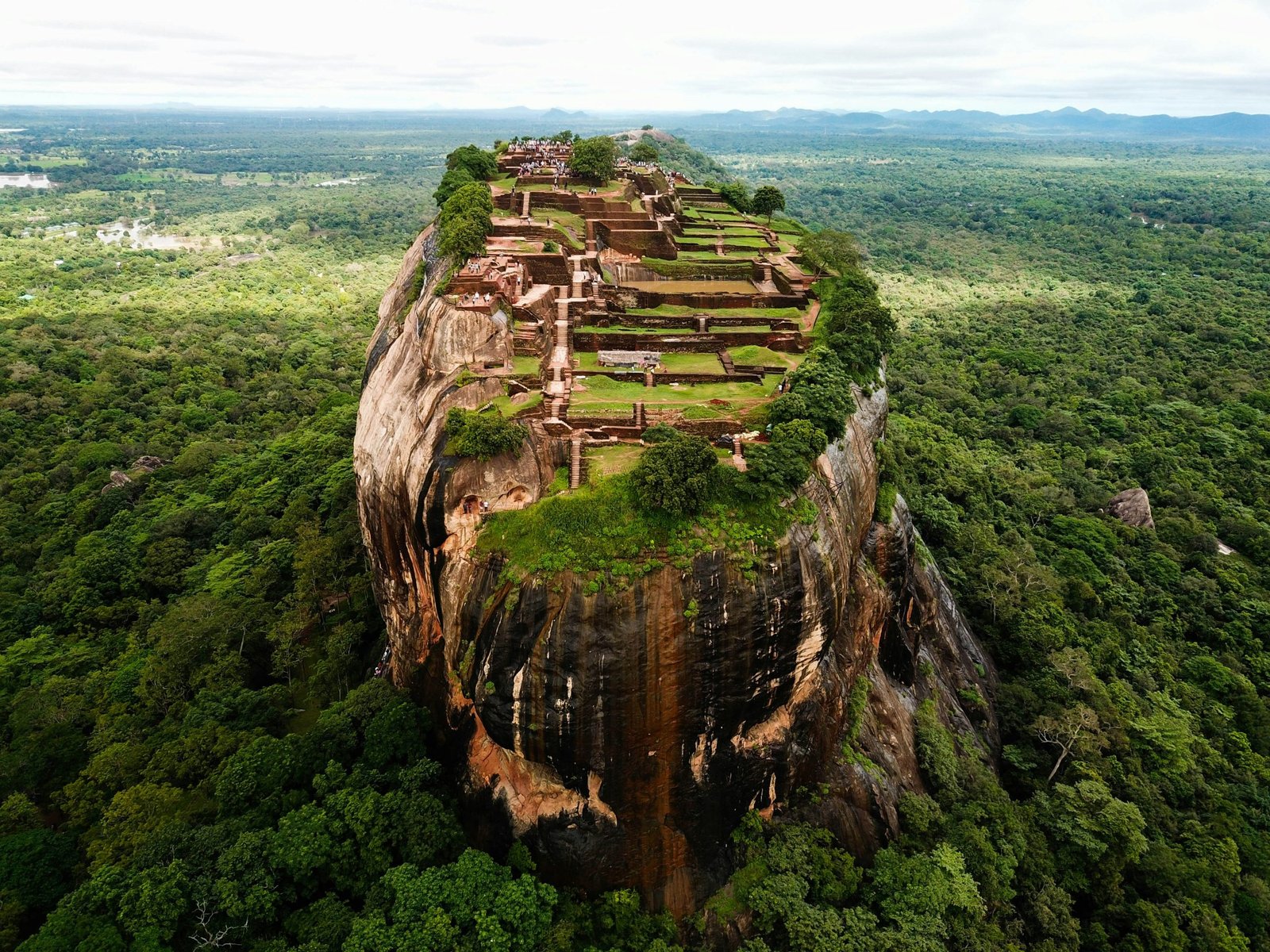
Allow at least three hours for the whole visit, including the gardens and museum. The climb itself is well over 1,000 steps and takes a reasonably fit person about an hour to the top, though crowds on the narrow stairways can double that. Here's the route in order:
- The water gardens. You cross the moat and walk through symmetrical pools and fountains laid out in straight lines toward the rock.
- The boulder gardens. Paths wind between giant boulders with the foundations of old buildings on them.
- The frescoes. A spiral staircase takes you up to a sheltered gallery painted with women, often called the "Maidens of the Clouds". UNESCO counts 21 surviving figures. Photography is banned here, and guards take it seriously.
- The Mirror Wall. A polished wall along the rock face, covered in ancient visitor graffiti and poems. Adding your own is strictly forbidden.
- The Lion's Paws. A terrace halfway up with two huge carved paws on either side of the last staircase. This is a good place to rest and drink water.
- The summit. Steep metal stairways bolted to the rock lead to the palace ruins, pools and terraces on top, with views across the forest in every direction. There are few barriers at the edges, so watch children.
Watch out for wasps. Large wasp nests hang on the rock face, and signs ask you to stay quiet. Attacks are rare, but they happen. Walk calmly, don't shout or wave your arms on the stairs, and follow staff instructions if there's a warning. There are mesh shelters on the route for use during an attack.
Can anyone climb it? The stairs are steep and exposed in places, and the final section isn't ideal if you're afraid of heights. There's no lift or alternative route. Most reasonably fit people manage it fine at a slow pace.
The Pidurangala option
Pidurangala Rock is about 2 km north of the Sigiriya entrance. The climb starts at a working Buddhist temple, so it's managed by the temple rather than the Central Cultural Fund, and the ticket costs a fraction of Sigiriya's.
The climb. It takes 30 to 40 minutes. The first half is stone steps through the forest. The last part is a scramble over and between boulders, where you'll need your hands. It isn't technical, but it's tricky in the dark or the rain and not great if you have limited mobility or a fear of heights.
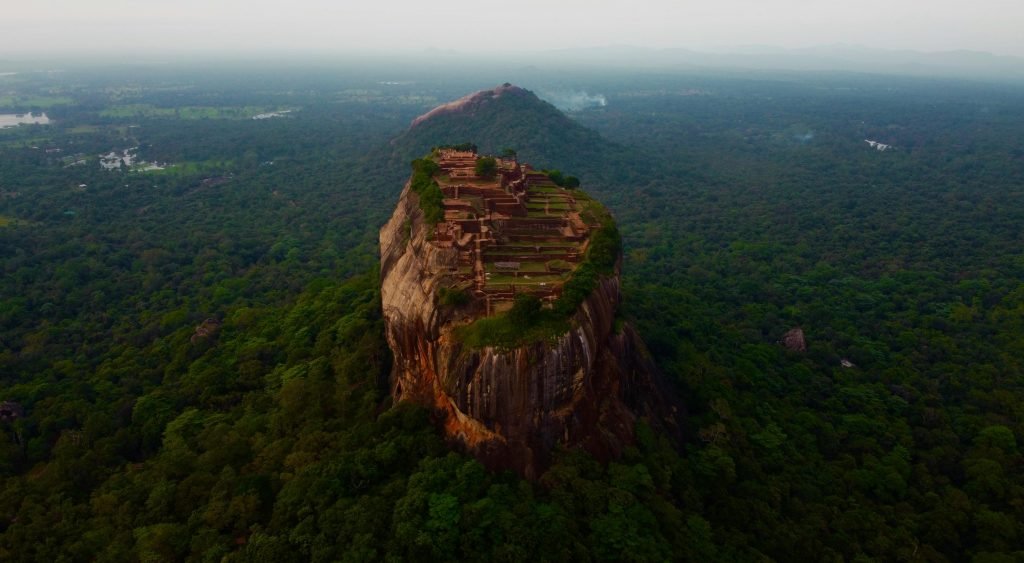
The reward. A big, flat summit with a wide-open view of Sigiriya rising out of the jungle. That's the photo most people come for, and you can't take it from Sigiriya itself.
Practical tips:
- Sunrise is the classic time. Arrange a tuk-tuk from your guesthouse the night before, and bring a head torch for the steps. Sunset is popular too, but the way down is in the dark and there can be a queue at the boulder section.
- Dress for the temple. Cover your shoulders and knees at the temple at the start. Salt in our Hair reports that the temple lends you a scarf if you need one.
- Bring water. There's nowhere to buy it on the way up.
- No drones. Drones aren't allowed in the area. The noise can disturb the wasp nests on Sigiriya.
Sigiriya or Pidurangala: which should you climb?
- Climb Sigiriya if you care about history. The frescoes, the Lion's Paws and the palace on the summit are what make this a World Heritage Site.
- Climb Pidurangala if you're on a tight budget or mainly want the view and the photo.
- Do both if you have a full day: Pidurangala at sunrise, breakfast, then Sigiriya in the late afternoon. Or Sigiriya at opening, a long lunch and a rest, then Pidurangala for sunset.
Getting to Sigiriya
There's no train station at Sigiriya, so you'll arrive by road. It's about four hours by car from Bandaranaike International Airport. See our guide to getting from Colombo airport to Sigiriya for every option.
- With a driver. Most visitors see Sigiriya as part of a multi-day route with a car and driver. Read our guide to hiring a driver in Sri Lanka for daily costs.
- By bus. Local buses run between Dambulla and Sigiriya through the day. They're cheap and slow; pay the conductor in cash.
- By tuk-tuk. Easy for the short hops between your guesthouse, Sigiriya and Pidurangala. Agree the fare first or use a ride app; see our tuk-tuk prices guide.
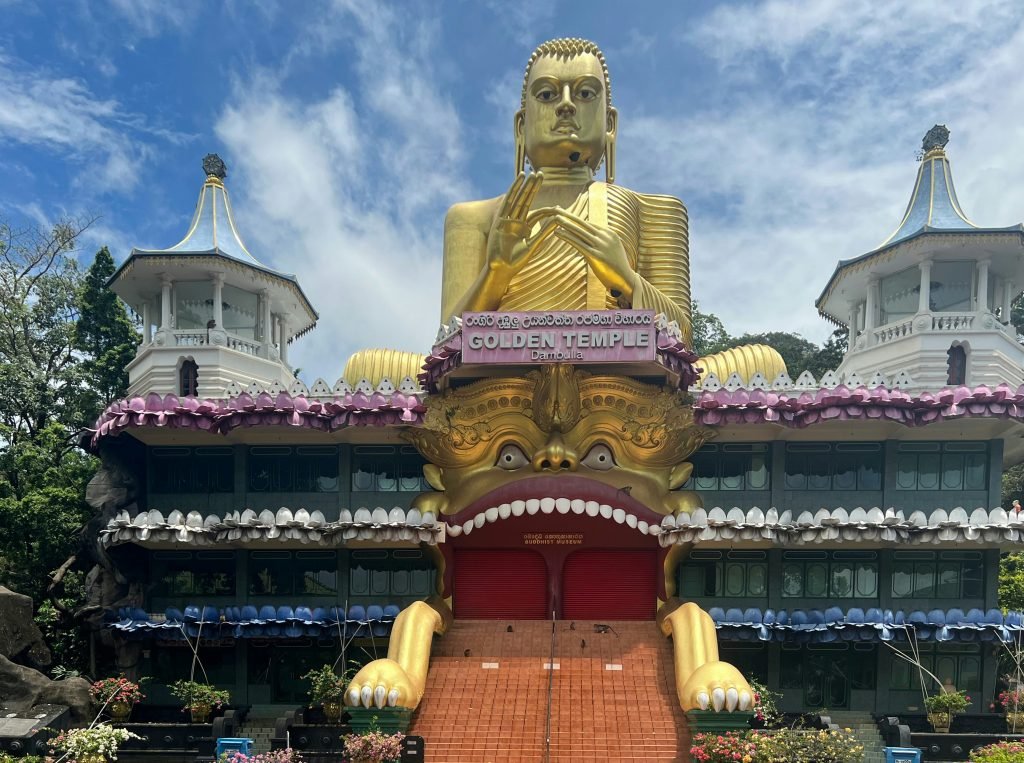
Many people stay in Sigiriya village or in Dambulla, so they can be at the gate at opening time. Dambulla's cave temple is a natural add-on.
What to bring
- At least a litre of water per person, plus a hat and sunscreen.
- Comfortable shoes with grip. Flip-flops are a bad idea on the stairs, and worse on Pidurangala's boulders.
- Cash in rupees for tuk-tuks, the Pidurangala ticket and drinks.
- For Pidurangala: a scarf or sarong for the temple, and a head torch at sunrise or sunset.
There's no religious dress code at Sigiriya itself, but light, loose clothes that cover your shoulders are more comfortable in the sun. Our Sri Lanka packing list has the rest.
Frequently asked questions
Is Sigiriya worth US$35?
For most first-time visitors, yes. The frescoes and summit palace are unlike anything else in Sri Lanka. If you only want the view, Pidurangala gives you a better one for Rs. 1,000.
How long does it take to climb Sigiriya?
About an hour to the top for a reasonably fit person, longer when the stairways are busy. Allow three hours for the whole visit, including the gardens and museum.
Can you buy Sigiriya tickets online?
Yes, on the Central Cultural Fund's official e-ticket site, eservices.ccf.gov.lk. It saves time at the counter, but the price is the same. Tickets are valid only for the date of issue.
Is Pidurangala harder than Sigiriya?
It's shorter but rougher. Sigiriya is a long climb on built stairs; Pidurangala is a 30 to 40 minute hike that ends with a boulder scramble where you'll use your hands.
Can you take photos of the Sigiriya frescoes?
No. Photography is banned in the fresco gallery and in the museum. You can take photos everywhere else on the climb.