A Yala safari in 2026 costs about US$43 per foreign adult in park fees if you have a jeep to yourself (less per person when the jeep is shared), plus jeep hire of very roughly LKR 17,000–21,500 for a half day in Block 1. Book Block 1 from the Palatupana gate for the best leopard odds, or Block 5 from the Galge gate for fewer jeeps. The best months are roughly February to July, and the main blocks can close for a few weeks around September and October.
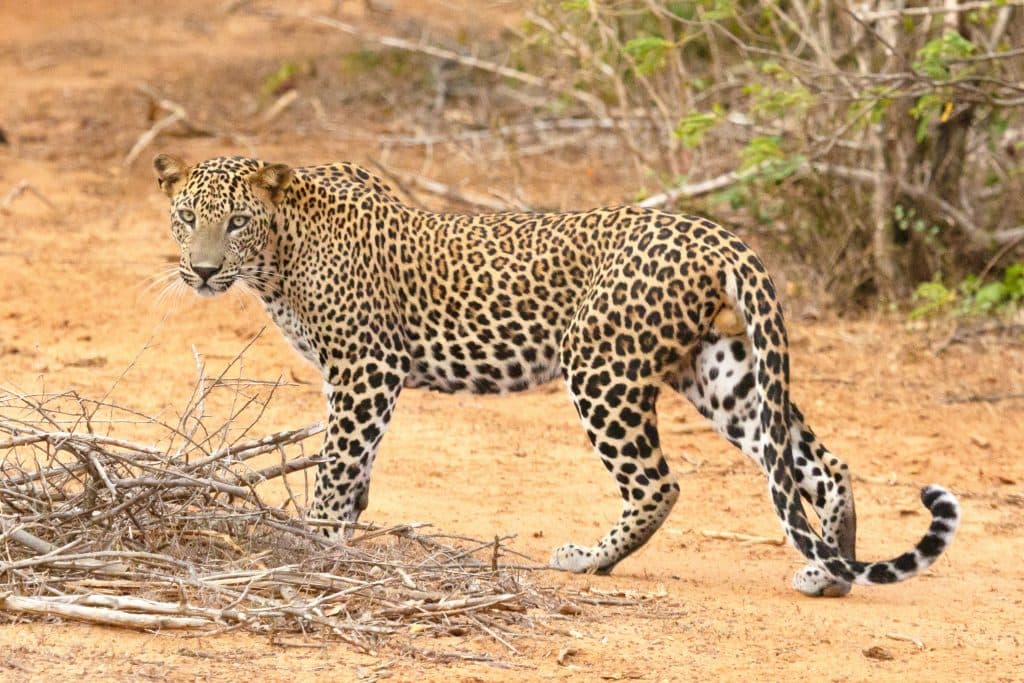
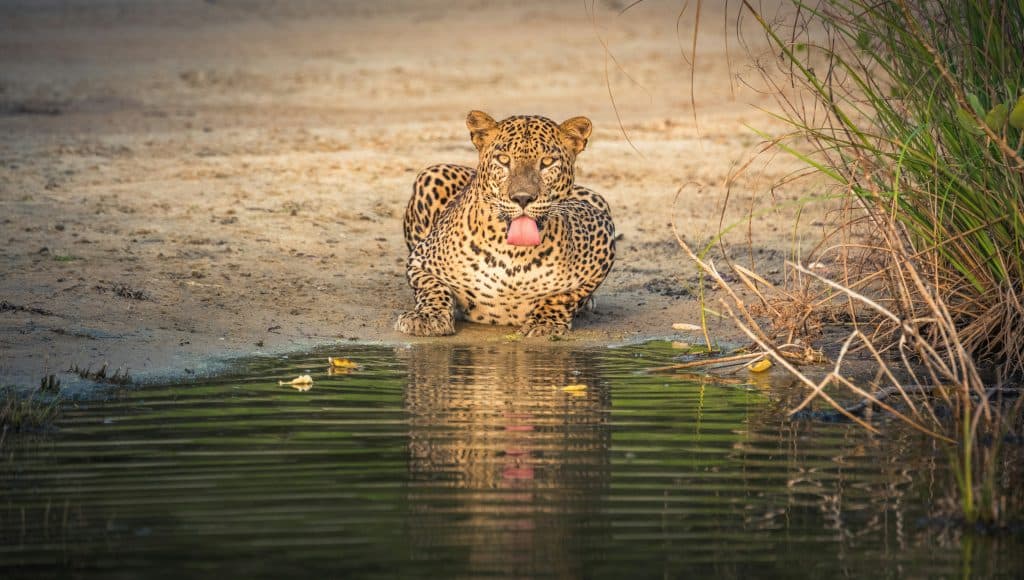
Yala is Sri Lanka's most visited national park and the country's best-known place to see a wild leopard. This guide covers what a safari really costs, how the blocks and gates work, when to go, which time of day to choose and how to have a calmer, more ethical drive. Facts were checked in November 2026. If you are still choosing a park, read our Yala vs Udawalawe vs Wilpattu comparison first.
Yala safari at a glance
Question | Short answer (November 2026) |
|---|---|
Where | Southeast Sri Lanka, near Tissamaharama ("Tissa") and Kataragama |
Foreign adult entry | US$25 + a per-jeep service charge + 18% VAT, about US$43 for one adult alone in a jeep |
Child entry (6–12) | US$15 + VAT; under 6 usually free |
Jeep hire (Block 1) | Roughly LKR 17,000–21,500 half day, LKR 28,000–31,500 full day, per jeep of up to six; confirm locally |
Opening hours | About 6 am to 6 pm |
Best block for leopards | Block 1 (Palatupana or Katagamuwa gate) |
Quieter option | Block 5 (Galge gate) |
Best months | About February to July |
Closures | Blocks 1 and 2 closed 14 September to 15 October 2026; reopened 16 October |
Entry fees follow TukTuk Rental's Sri Lanka entrance fee list and the worked examples in Wild Ceylon's 2026 safari cost breakdown (fees checked on 2 November 2026). Fees are set in US dollars but paid in rupees, so the exact total moves with the exchange rate.
What a Yala safari costs in 2026
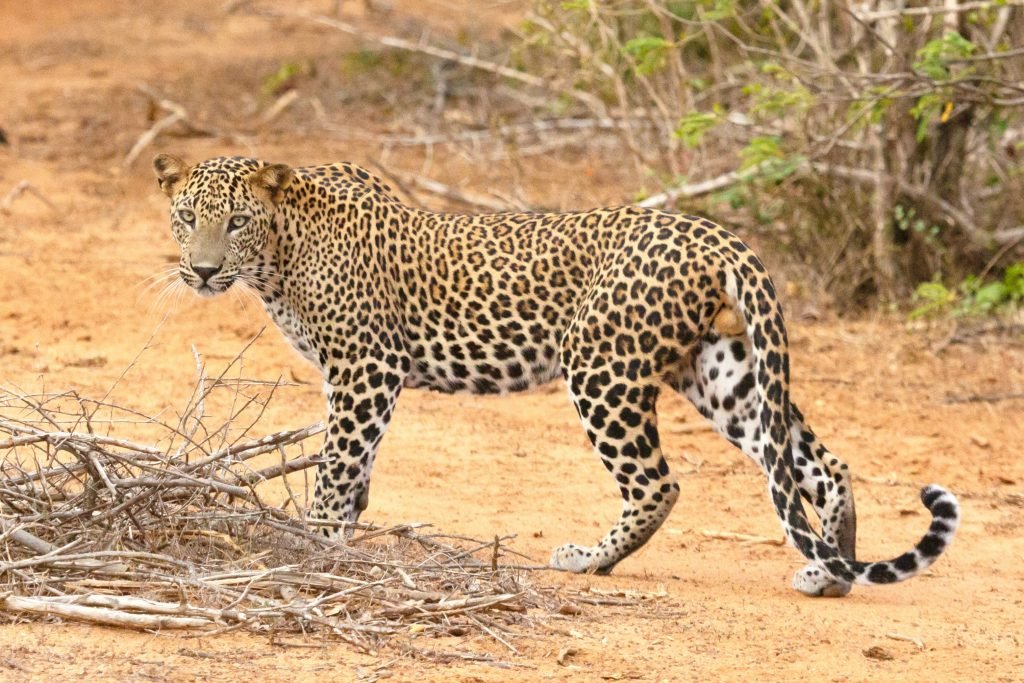
Every Yala safari has two separate costs: the park ticket, which goes to the Department of Wildlife Conservation, and the jeep, which you hire from a private operator. Many hotels and guesthouses quote one price for both, so always ask what is included.
1. Park entry
For foreign visitors, the ticket is made up of:
Entry per person: US$25 per adult, US$15 per child aged 6 to 12. Children under six usually go free.
A service charge per jeep: about US$10–11, shared by everyone in the vehicle, plus a small vehicle permit.
18% VAT on the total.
Because the service charge is per jeep, the cost per person drops when you share. Using the 2026 figures above, the ticket total for one jeep comes to roughly:
Who is in the jeep | Park ticket total (approx.) |
|---|---|
1 adult | US$43 |
2 adults | US$72 |
2 adults + 1 child (6–12) | US$90 |
4 adults | US$131 |
Carry your passport, as foreigners pay the foreign rate. Citizens of SAARC countries pay a lower rate, so check the current figure at the gate if that applies to you.
2. Jeep hire
Jeeps are hired per vehicle and usually take up to six passengers. Rate lists published by jeep operators around Tissa for 2026 give roughly LKR 17,000–21,500 for a half day and LKR 28,000–31,500 for a full day in Block 1, with Galge (Block 5) a little higher. These figures vary between sources, so treat them as a guide and confirm the price before you book.
Operators also sell per-person seats in shared jeeps, which can be much cheaper if you are travelling alone. Before you pay, ask:
Are park tickets included, or paid separately at the gate?
Is it a private jeep, or will I share with strangers?
Which block and gate, and how many hours inside the park?
Is hotel pickup included, and what time?
Does the jeep have a roof or canopy for shade?
For a full trip budget, see how much a trip to Sri Lanka costs.
Yala's blocks and gates explained
Yala is split into numbered blocks (sometimes called zones). Visitors only see part of the park, and the block you choose shapes your whole safari.
Block 1: the classic leopard drive
Block 1 is what most people mean by "Yala". It has the open scrub, rocky outcrops and waterholes where leopards are most often seen, plus elephants, sloth bears (seen far less often), spotted deer, buffalo, crocodiles and many birds. It is entered from two gates:
Palatupana, the usual choice from Tissamaharama and the main leopard gate.
Katagamuwa, closer to Kataragama.
The downside is traffic. In peak season, many jeeps can gather around a single leopard.
Block 5: quieter, wilder, fewer leopards
Block 5 is reached from the Galge gate. It is much quieter, with far fewer jeeps. You are less likely to see a leopard here, but elephants and birds are good, and the drive feels more like a wild place. It is a good second safari, or a choice for anyone who dislikes crowds.
The other blocks
Blocks 2, 3, 4 and 6 are visited less. When Blocks 1 and 2 closed in September 2026, Blocks 3 to 6 stayed open, according to the Sunday Times. If you are visiting during a closure, ask your jeep operator which blocks are open.
Is Yala open now? The 2026 closure
Yala's main blocks often close for a few weeks around September and October. In 2026, the Department of Wildlife Conservation closed Blocks 1 and 2 from 14 September to 15 October, citing the dry weather, and used the time for road repairs. They reopened to visitors on 16 October 2026, and park bungalows and campsites took bookings again from 1 November, as reported by Newswire.
Dates change from year to year and can depend on drought. If you are travelling between late August and October, check the status locally a few days before you go.
Best time for a Yala safari
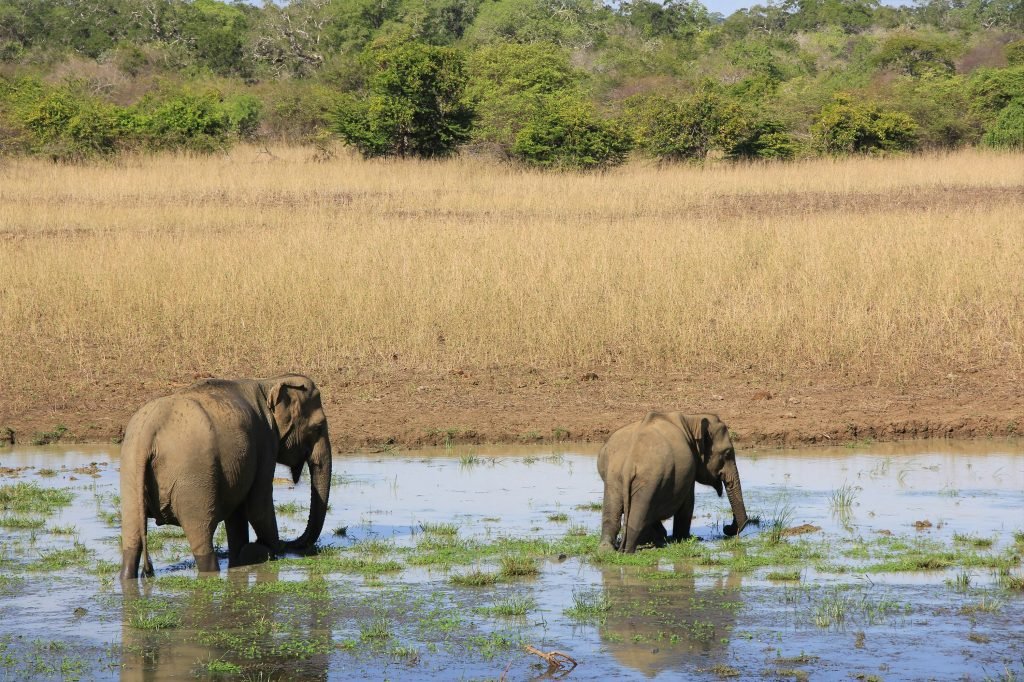
Yala is in Sri Lanka's dry zone, so you can visit for most of the year. The most popular window is roughly February to July. As the dry season goes on, waterholes shrink and animals gather around the water that is left, which makes them easier to find. Some operators rate the middle of the year as peak leopard season.
The rest of the year is not a write-off. Months with more rain turn the park green and the birdlife can be very good, but tracks get muddy and grass grows taller, so animals are harder to spot. And remember the possible September to October closure.
For how the two monsoons affect the rest of your trip, see our month-by-month guide to the best time to visit.
Morning, afternoon or full day?
The park opens at about 6 am and all jeeps must be out by about 6 pm. You have three choices:
Morning (about 6 am to 10 or 10:30 am): the most popular. The light is soft, it is cooler, and animals are active. Pickup from Tissa hotels is often around 5 to 5:30 am so you can be in the queue for the opening.
Afternoon (about 2 pm to 6 pm): a good option, with animals moving again as the heat drops and lovely late light. Some travellers find it a little less hectic.
Full day (about 6 am to 6 pm): the best odds of a good sighting, and you reach parts of the block that half-day jeeps do not. Full-day jeeps stop for a midday rest at a designated site, so bring food and water.
A ticket covers one entry, so a morning and an afternoon safari on the same day means two tickets. If seeing a leopard matters a lot to you, two half-day drives (or one full day) give you a much better chance than one.
What you might see
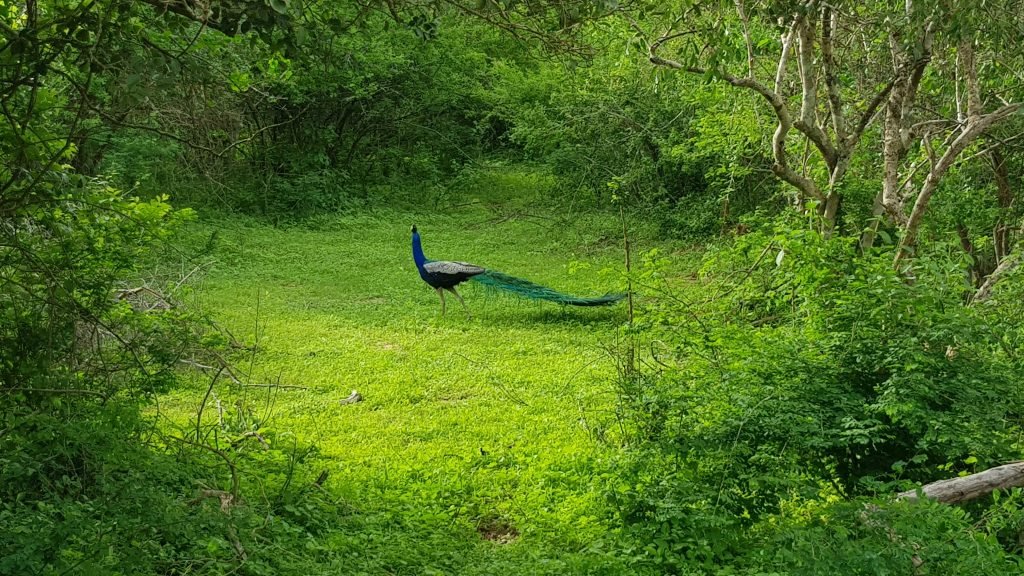
Leopards are the reason most people come, but no safari can promise one. Animals you have a good chance of seeing on most drives include:
Asian elephants, often near water
Spotted deer
Wild water buffalo
Mugger crocodiles in the lakes
Peacocks, which are everywhere
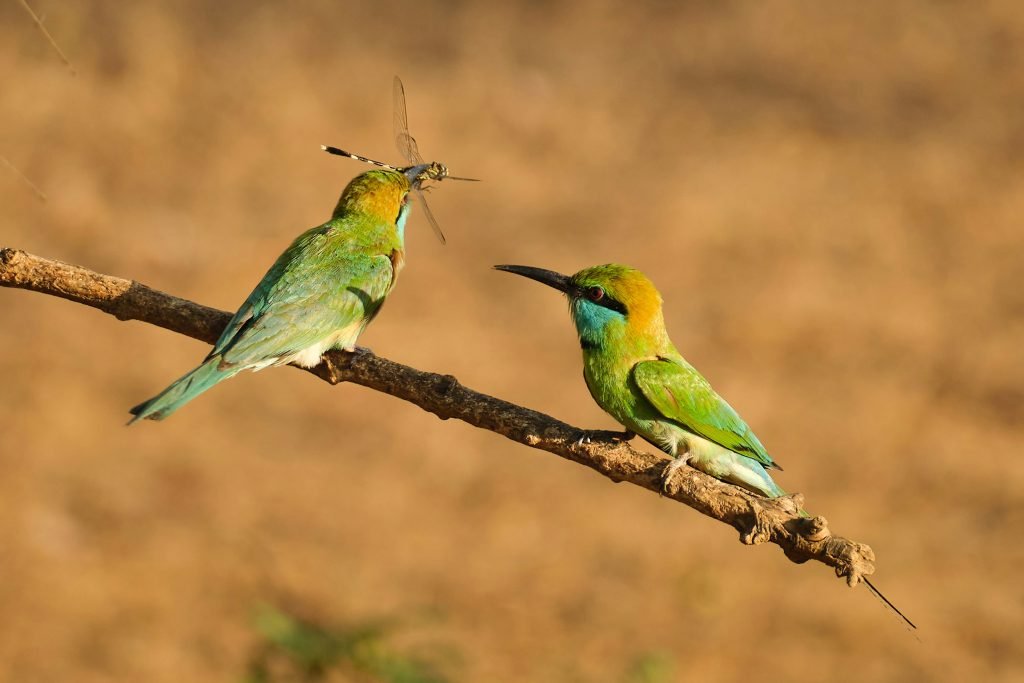
Plenty of birds, from small bee-eaters to large waterbirds
Sloth bears live in Yala too, but sightings are rare. Bring binoculars: they make a bigger difference than a long lens.
How to get to Yala
The usual base is Tissamaharama, where most jeep operators and many guesthouses are. Some people stay at hotels closer to the park or around Kataragama.
From Ella: the drive down from the hills to Tissa is a popular way to break the trip from Ella to the south coast. Our guide to Ella to Mirissa and Arugam Bay covers cars, buses and safari stops.
From the south coast: many beach towns sell day trips to Yala, but these mean a very early start and a long day. Staying a night in Tissa makes the morning safari much easier.
With a driver: most travellers arrive by private car. See hiring a driver in Sri Lanka.
Train note: there is no railway to Yala. If you are coming from the hill country, be aware that after Cyclone Ditwah the hill country line is only running between Nanu Oya, Ella and Badulla, and Colombo–Kandy–Nanu Oya trains are suspended. Our Kandy to Ella train guide explains what is running.
How to have a better, more ethical safari
Crowding is Yala's biggest problem. You can make your own safari calmer and kinder to the animals:
Tell your driver you do not want to chase. Say up front that you are happy to wait quietly at a sighting, or move on if it is crowded.
Choose a licensed driver. Only drivers trained and certified by the Department of Wildlife Conservation may drive in Yala.
Stay in the jeep and keep your voice down, especially around elephants and leopards.
Never feed animals, inside the park or along the roads outside it.
Take all rubbish out with you, and avoid single-use plastic.
Try Block 5 or an afternoon drive if the crowds at Block 1 bother you.
Practical tips
Bring: passport, cash in rupees, a hat, sunscreen, water, a light layer for the early start and binoculars. Our packing list has more.
Wear neutral colours, not bright white or neon.
Expect dust and bumps. Tracks are rough, so keep cameras in a bag between sightings.
Tip your driver and tracker if they did a good job, and agree on the price before you set off.
Frequently asked questions
How much is a Yala safari for two people?
For two foreign adults in a private jeep, park tickets come to roughly US$72, plus jeep hire of very roughly LKR 17,000–21,500 for a half day in Block 1. Prices vary, so confirm what is included.
Which Yala block is best?
Block 1 gives the best chance of a leopard but has the most jeeps. Block 5 from the Galge gate is quieter, with fewer leopard sightings.
Is a morning or afternoon safari better at Yala?
Both can be good. Mornings are cooler and the most popular; afternoons have lovely light and can feel a little calmer. A full day gives the best odds.
Is Yala open in December?
Yes. Blocks 1 and 2 reopened on 16 October 2026 after the drought closure. Check locally in very dry or very wet spells, as short closures can happen.
Can I see a leopard on one safari?
Many people do, especially in Block 1, but it is never guaranteed. Two drives or a full day improve your chances.